EasyManua.ls Logo

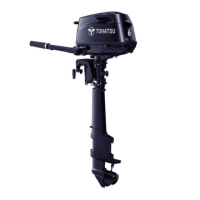
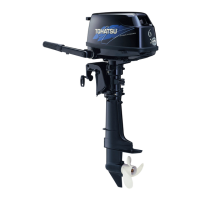
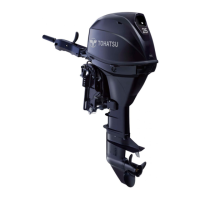
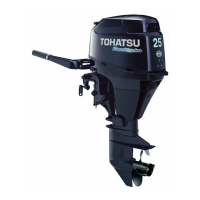
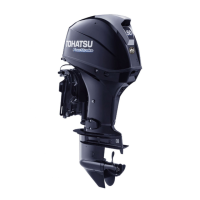
TOHATSU MFS 6C - User Manual

TOHATSU MFS 6C
78 pages
Print Icon
To Next Page IconTo Next Page
Loading...
08/&3Ö4
."/6"-
""""
.'4Ă$
.'4ā$
.'4ă$
0#/PýýĀþþþþÿā")þ

Other manuals for TOHATSU MFS 6C

Questions and Answers

  • A
    Amanda TurnerSep 8, 2025
    What causes abnormally high engine speed in TOHATSU MFS 6C Outboard Motor?
    • B
      Breanna LopezSep 9, 2025
      If the engine speed of your TOHATSU Outboard Motor is abnormally high, it may be due to using improper gasoline; use the recommended gasoline. Also, check for an excessive fuel supply and adjust the fuel supply. A poorly adjusted carburetor can also cause high engine speed, so adjust the carburetor accordingly.
  • D
    Daniel ChambersAug 23, 2025
    Why is my TOHATSU MFS 6C engine falling to start?
    • M
      Michael MitchellAug 23, 2025
      Several factors can prevent your TOHATSU Outboard Motor engine from starting. These include an empty fuel tank (fill it), incorrect fuel system connections (check and correct them), air entering the fuel line (inspect and fix leaks), a deformed or damaged fuel hose (replace it), a closed air vent on the fuel tank (open it), or a clogged fuel filter, fuel pump, or carburetor (clean or replace them).
  • K
    Kimberly HopkinsAug 25, 2025
    What to do if TOHATSU MFS 6C Outboard Motor oil level is low?
    • J
      Jeffrey TurnerAug 26, 2025
      If the oil level is low in your TOHATSU Outboard Motor, refill the engine oil to the correct level.
  • M
    Megan MartinezAug 27, 2025
    How to improve poor idling on TOHATSU MFS 6C Outboard Motor?
    • A
      Alyssa StricklandAug 27, 2025
      If your TOHATSU Outboard Motor is idling poorly, it might be due to using improper engine oil or gasoline; use the recommended oil and gasoline. An excessive fuel supply or poor carburetor adjustment can also cause poor idling, so adjust the fuel supply and carburetor accordingly.
  • T
    Tyrone ArcherAug 27, 2025
    What to do if my TOHATSU MFS 6C engine starts but stops soon after?
    • R
      rebecca78Aug 28, 2025
      If your TOHATSU Outboard Motor starts but stops soon after, it might be due to several reasons. First, check if the fuel tank is empty and fill it if needed. An incorrect connection of the fuel system could also be the problem, so ensure it's correctly connected. Another possibility is air entering the fuel line, which needs to be removed. Make sure the air vent on the fuel tank is open. A clogged fuel filter, fuel pump, or carburetor could also cause this, requiring cleaning or replacement. Using improper engine oil or gasoline can also lead to this issue, so use the specified oil and recommended gasoline. Lastly, an excessive fuel supply or poor carburetor adjustment might be the cause; adjust them as necessary.
  • D
    diane07Sep 23, 2025
    How to fix a faulty thermostat on a TOHATSU MFS 6C Outboard Motor?
    • P
      Paul BartonSep 23, 2025
      Replace the faulty thermostat.
  • F
    fitzgeraldcarrieSep 16, 2025
    Why is the boat speed low on my TOHATSU MFS 6C?
    • M
      moorejasmineSep 16, 2025
      If your TOHATSU Outboard Motor boat speed is low, it could be due to several factors. The propeller selection might be incorrect, so select the appropriate propeller. A damaged or bent propeller can also reduce speed, requiring replacement. An unbalanced load on the boat can affect performance, so balance the load. Finally, the transom height might be too high or too low, so adjust the transom height accordingly.
  • S
    Susan Buchanan MDSep 18, 2025
    What causes insufficient cooling water flow in a TOHATSU Outboard Motor?
    • A
      Allison Davis DDSSep 18, 2025
      Insufficient cooling water flow in your TOHATSU Outboard Motor is caused by clogs or a defective pump. Clear any clogs or replace the defective pump.
  • L
    lopezcrystalSep 7, 2025
    Why is my TOHATSU MFS 6C Outboard Motor acceleration poor?
    • M
      Melissa ConwaySep 7, 2025
      If your TOHATSU Outboard Motor has poor acceleration, it could be due to the use of improper engine oil or gasoline. Make sure to use the recommended engine oil and gasoline. Also, check for an excessive fuel supply and adjust it if necessary. A poorly adjusted carburetor can also cause this issue, so adjust the carburetor accordingly.
  • R
    Rachel OchoaSep 4, 2025
    What to do if TOHATSU MFS 6C engine starts but stops soon?
    • N
      nwilsonSep 4, 2025
      If your TOHATSU Outboard Motor starts but stops shortly after, there might be a problem with the fuel system. Begin by checking and correcting the fuel system connections. Air entering the fuel line can cause the engine to stop, so secure the fuel line to prevent air leaks. A deformed or damaged fuel hose should be replaced. Ensure the air vent on the fuel tank is open. Lastly, a clogged fuel filter, fuel pump, or carburetor could be the issue; clean or replace these components.

Summary

Your Tohatsu Outboard Motor

To You, Our Customer

Welcome message and overview from the manufacturer.

Owner Registration and Identification

Importance of registering the product for warranty and identification purposes.

Pre-Delivery Check

Ensures the product is checked by a dealer before customer delivery.

Serial Number

Locating and Recording Your Serial Number

Guidance on finding and recording the outboard motor's serial number for inquiries.

Safety Information Symbols

Understanding DANGER, WARNING, CAUTION, and Note Symbols

Explains the meaning of safety alert symbols used throughout the manual.

General Safety Information

Safe Boat Operation and Personal Safety

Responsibilities for safe boating, including awareness of people in water and PFD usage.

Emergency Stop Switch Usage

How the emergency stop switch works and its importance for preventing propeller injuries.

Servicing, Parts, and Lubricants Recommendations

Emphasizes using authorized shops, genuine parts, and recommended lubricants.

Hazard Warnings: Carbon Monoxide and Gasoline

Alerts to the dangers of carbon monoxide and flammable gasoline.

Specifications

Model Feature Overview

Details features and options for different outboard motor models.

Model Name Example and Breakdown

Explains the naming convention used for outboard motor models.

Parts Identification

Outboard Motor Components Diagram

Illustrates and labels the main parts of the outboard motor (4C, 5C, 6C models).

Remote Control Box and Fuel Tank Parts

Identifies key components of the remote control system and fuel tank assembly.

Label Locations

Warning Label Locations Overview

Shows the general placement of warning labels on the outboard motor.

Specific Warning Label Explanations

Details the meaning and location of various critical warning labels.

Gasoline and Fuel Tank Cap Warning Labels

Highlights warnings related to gasoline handling and fuel tank cap operation.

ECI (Emission Control Information) Decal Locations

Identifies the placement and purpose of emission control decals.

Installation

Mounting the Outboard Motor on Boat

Step-by-step guide for securely mounting the outboard motor onto the boat transom.

Mounting Bolts and Altitude Adjustment Kit

Information on mounting bolts and when a high altitude kit may be necessary.

Remote Control Device and Battery Installation

Instructions for installing the remote control system and connecting the battery.

Pre-Operating Preparations

Fuel Handling, Rating, and Alcohol Content

Recommendations for fuel types, octane ratings, and handling of gasoline.

Fuel Filling Safety and Procedures

Critical safety instructions for filling the fuel tank, avoiding spills and fire hazards.

Fuel Tank Cap Operation and Venting

Procedures for opening and closing fuel tank caps, including venting.

Engine Oil Recommendation

Guidance on selecting the correct engine oil for performance and longevity.

Outboard Motor Break-In Procedure

Steps for properly breaking in a new outboard motor to ensure optimal performance.

Warning System and Lamp Location

Explains how the warning system operates and the location of the warning lamp.

Warning Indicators, Faults, and Remedies

Details common warning indicators, associated faults, and recommended remedies.

Engine Operation

Before Starting Engine Checks

Essential checks and procedures before starting the engine for the first time.

Fuel Feeding and Priming

How to properly feed fuel to the engine and prime the fuel system.

Starting the Engine Procedure

Step-by-step guide for starting the outboard motor, including safety precautions.

Warming Up the Engine

Importance and duration of warming up the engine for proper oil circulation.

Forward, Reverse, and Acceleration Operation

Safe procedures for shifting gears and controlling acceleration.

Shifting and Throttle Operation

Guidance on proper shifting and throttle operation to avoid damage.

Acceleration and Engine Stopping

Safe methods for acceleration control and stopping the engine.

Steering and Trim Angle Adjustment

How to steer the boat and adjust the trim angle for optimal performance.

Tilt Up and Down Operation

Instructions for tilting the outboard motor up and down for various situations.

Shallow Water Operation Guidance

How to operate the motor safely in shallow water conditions.

Removing and Carrying the Outboard Motor

Removing the Outboard Motor from Boat

Steps for safely detaching the outboard motor from the boat.

Carrying the Outboard Motor Safely

Guidelines for transporting the outboard motor, emphasizing stability and safety.

Trailering Procedures and Precautions

Instructions for securing the motor during boat trailering to prevent damage.

Adjustment

Steering Friction Adjustment

How to adjust steering friction for comfortable and safe handling.

Throttle Grip Friction Adjustment

Adjusting throttle grip friction for smooth control and preventing unwanted movement.

Inspection and Maintenance

Motor Care and Maintenance Overview

Importance of regular inspection and maintenance for optimal condition.

Daily Inspection Checklist

A list of essential checks to perform before and after each use.

Engine Oil Level Check and Replenishment

Procedures for checking and adding engine oil to maintain proper levels.

Washing and Flushing the Outboard Motor

How to clean the motor and flush cooling passages after use, especially in saltwater.

Fuse Replacement Procedure (SP Type)

Guide for safely replacing fuses in the outboard motor's electrical system.

Periodic Inspection Schedule and Procedures

Detailed maintenance schedule and procedures for regular servicing.

Engine Oil Replacement Steps

Step-by-step guide for changing the engine oil.

Fuel Filters and Fuel Tank Cleaning

Instructions for cleaning fuel filters and the fuel tank to ensure clean fuel delivery.

Gear Oil Replacement Procedure

Detailed steps for draining and refilling gear oil in the lower unit.

Propeller Replacement Guide

Instructions and safety precautions for removing and installing the propeller.

Spark Plug Replacement and Gapping

Guide for replacing spark plugs and setting the correct electrode gap.

Anode Replacement and Maintenance

Information on the sacrificial anode's role and when to replace it.

Off-Season Storage Instructions

Comprehensive guide on preparing the outboard motor for long-term storage.

Pre-Season Check Procedures

Steps to take before using the engine after it has been stored for off-season.

Submerged Outboard Motor Recovery

Emergency measures to take if the outboard motor becomes submerged.

Troubleshooting

Common Problems and Potential Causes

A diagnostic guide linking symptoms to possible causes and solutions.

Tool Kit and Spare Parts

Included Tools and Recommended Spare Parts

Lists the tools provided with the motor and essential spare parts for maintenance.

Propeller Table

Propeller Selection Guide

Helps in choosing the correct propeller size based on boat type and motor model.

Emission Control System Information

Emission Sources and Control Systems

Explains engine emissions and how the control system manages them.

Tampering and Modifications Warning

Alerts users about the legal implications of tampering with emission controls.

Emission Affecting Problems and Parts

Identifies issues affecting emissions and the importance of genuine replacement parts.

EPA Fuel Tank and Primer Hose Requirements

Details EPA regulations for fuel tanks and primer hose assemblies.

Emission Standards: Star Labels Explained

Describes the California Air Resources Board (CARB) star labeling system for emissions.

TOHATSU MFS 6C Specifications

General IconGeneral
Cylinders1
Max Output6 HP
Fuel SystemCarburetor
Starting SystemManual
Gear Ratio2.08:1
Propeller3-Blade
Output6 HP
Control TypeTiller
Gear ShiftF-N-R
Fuel TypeGasoline

Related product manuals