This document serves as a comprehensive setup guide for the TPG TP-Link VX420-G2v modem, specifically designed for NBN Fibre To The Premises (FTTP) connections. It outlines the necessary steps for physical connection, initial configuration, and managing both wired and wireless network settings, ensuring users can quickly and efficiently get their internet service up and running.
Function Description
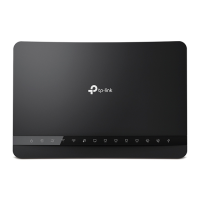
The TP-Link VX420-G2v modem acts as the central hub for your NBN FTTP internet service, facilitating the connection between your NBN Connection Box and your various devices. Its primary function is to convert the optical fiber signal from the NBN network into an Ethernet signal that your devices can understand, and to broadcast a Wi-Fi signal for wireless connectivity. This modem is pre-configured by TPG, meaning that for most users, the setup process is streamlined and requires minimal manual intervention. It supports both wired connections via Ethernet ports and wireless connections through its Wi-Fi capabilities, allowing a wide range of devices such as PCs, laptops, gaming consoles, smartphones, and tablets to access the internet. Furthermore, if your NBN service includes a phone service, the modem facilitates this by connecting to the UNI-V port on the NBN Connection Box, enabling voice communication. The device is designed to automatically connect to the best available Wi-Fi network (5GHz or 2.4GHz) for optimal performance, while also providing options for users to customize their network settings for enhanced control and security.
Usage Features
The TP-Link VX420-G2v modem offers a user-friendly experience with several key features designed to simplify internet setup and management:
- Pre-Configuration: The modem comes pre-configured by TPG, significantly reducing the complexity of the initial setup. Users are generally not required to follow every step of a typical setup guide, as the essential settings for internet access are already in place. This "plug-and-play" approach is ideal for users who prefer a straightforward installation process.
- Physical Connection Simplicity: The guide clearly outlines the physical connections required. Users simply need to ensure their NBN Connection Box is powered on and then connect the supplied yellow Ethernet cable from the UNI-D1 port on the NBN Connection Box to the blue WAN port on the TP-Link modem. The guide also provides troubleshooting advice, suggesting users try other UNI-D ports if UNI-D1 doesn't work, ensuring flexibility in connection.
- Power Management: A dedicated power button allows users to easily turn the modem on and off, providing simple control over the device's operational status.
- Wired Connectivity (LAN Ports): The modem features multiple yellow LAN ports, enabling users to connect devices such as PC desktops, laptops, or gaming consoles directly via Ethernet cables. This provides a stable and high-speed internet connection for devices that benefit from a wired link.
- Wireless Connectivity (Wi-Fi): The modem broadcasts a Wi-Fi signal, allowing for wireless internet access for a multitude of devices. It supports both 5GHz and 2.4GHz Wi-Fi networks, with the modem intelligently connecting devices to the best available network for optimal performance. Older devices, however, may only be compatible with the 2.4GHz network.
- Phone Service Integration: For NBN services that include a phone line, the modem supports this by connecting a compatible handset to the grey UNI-V1 port on the NBN Connection Box. This feature ensures that users can utilize their voice services through the same internet setup.
- Easy Wi-Fi Connection: Connecting devices to the modem's Wi-Fi network is made easy through the use of a default Wi-Fi Network Name (SSID) and Password, which are conveniently located on a barcode sticker on the base of the modem. This eliminates the need for complex configuration during initial device connection.
- Web-Based Management Interface: The modem provides a web-based interface accessible via a browser at
http://192.168.1.1. This interface allows users to log in (default password is 'admin') and manage various network settings.
- Internet Configuration: Within the management interface, users can navigate to the "Internet" section to enter their TPG Username and Password, if manual configuration is required. This ensures the modem is correctly authenticated with the TPG network.
- Customizable Wi-Fi Settings: Users have the flexibility to change their Wi-Fi details, including the Network Name (SSID) and Password, through the "Wireless" section of the management interface. This feature allows for personalization of the Wi-Fi network and enhances security by enabling users to set strong, unique passwords.
- Band Steering: The modem includes a "Band Steering" feature, which intelligently guides devices to connect to the most appropriate Wi-Fi band (either 2.4GHz or 5GHz) to optimize performance and reduce interference.
- Troubleshooting Support: The guide provides contact information for TPG support (1300 997 271) for users experiencing issues after their service is active, ensuring assistance is readily available. It also directs users to additional resources, such as the NBN Fibre To The Premises (FTTP) wiring diagram and instructions, and a specific guide for connecting to Wi-Fi networks (
https://www.tpg.com.au/support/wifi-setup).
- Network Map Feature: The management interface includes a "Network Map" feature, which likely provides a visual overview of connected devices and network status, aiding in network management and troubleshooting.
- Multi-SSID Support: The modem supports "Multi-SSID," allowing users to create multiple separate wireless networks. This can be useful for setting up a guest network or segmenting devices for security or organizational purposes.
- USB Sharing: A "USB Sharing" feature indicates that the modem may support connecting USB storage devices, allowing for network-wide access to files or media.
- Parental Controls: The inclusion of "Parental Controls" suggests that users can manage internet access for specific devices or users, such as setting time limits or blocking certain websites, to ensure a safe online environment.
Maintenance Features
While the document primarily focuses on setup and usage, it implicitly suggests several maintenance practices and features:
- Retention of Documentation: Users are advised to "retain this document" even if the modem is pre-configured. This is crucial for future reference, especially if manual configuration or troubleshooting becomes necessary. This emphasizes the importance of having access to the original setup instructions for ongoing maintenance.
- Firmware Updates (Implied): Although not explicitly stated, modern modems like the TP-Link VX420-G2v typically receive firmware updates. These updates often include security patches, performance improvements, and new features, which are essential for maintaining the modem's optimal operation and security over time. Users would typically access these updates through the web-based management interface.
- Password Management: The ability to change the default Wi-Fi password and the modem's login password (from 'admin') is a critical maintenance feature. Regularly updating these passwords helps to secure the network from unauthorized access and is a fundamental aspect of network security maintenance.
- Network Monitoring (Implied by Network Map): The "Network Map" feature in the web interface suggests that users can monitor their network status and connected devices. This allows for proactive identification of potential issues, such as unknown devices connecting to the network, which is a key aspect of network maintenance.
- Troubleshooting Guidance: The provision of troubleshooting steps (e.g., trying different UNI-D ports) and contact information for support serves as a maintenance feature, enabling users to diagnose and resolve common issues, or seek expert help when needed.
- Reset Functionality (Implied by "RESET" button on diagram): While not detailed in the text, the diagrams of the modem's rear panel clearly show a "RESET" button. This button is a standard maintenance feature on networking devices, allowing users to restore the modem to its factory default settings. This can be invaluable for resolving persistent configuration issues or preparing the modem for a new setup.
- Cable Management: The guide's emphasis on correctly plugging in Ethernet and power cables implicitly promotes good cable management. Ensuring cables are securely connected and not damaged is a basic but important aspect of maintaining a reliable internet connection.
- Power Cycling: The instruction to "turn your TP-Link modem on using the Power button" implies that power cycling (turning the device off and on) can be a simple troubleshooting step for various network issues, a common maintenance practice.
- Regular Review of Settings: The ability to access and modify settings like Wi-Fi Network Name, Password, and Parental Controls encourages users to regularly review and adjust their network configuration to meet evolving needs and security requirements.

 Need help?
 General



 To Next Page