10 Dedicated Outdoor Air Systems: Trane DX Outdoor Air Unit SYS-APG001A-EN
Designing a Dedicated OA System
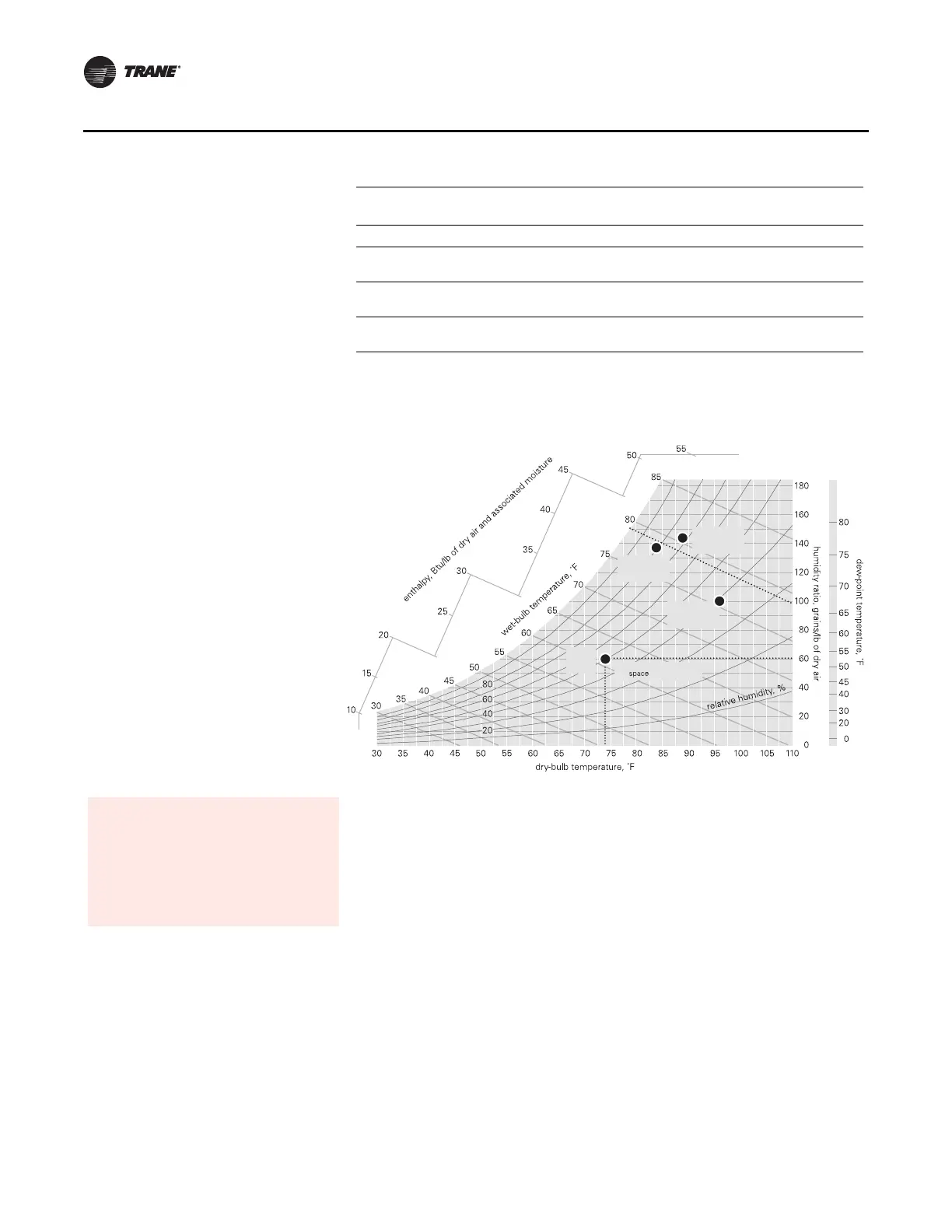
Figure 8. Comparison of outdoor air enthalpies at 0.4% cooling-design
conditions for Jacksonville, Fla.
Step 3: Determine the latent loads in the space. The dedicated
outdoor air unit will offset the local latent loads in the space it serves, as well
as the total ventilation load. Common sources of latent load include
respiration from people, processes (such as cooking), and the infiltration of
humid outdoor air through cracks and other openings in the building
structure.
For this example, the dedicated outdoor air handler serves four classrooms
of a school in Jacksonville, Fla. Table 3 (p. 11) lists the latent load for each
space; in this case, the latent loads presumably remain constant whenever
the building is occupied.
Table 2. Design weather conditions for cooling/dehumidifying in
Jacksonville, Fla.
(a)
Design condition Enthalpy
Peak dry bulb, mean-coincident wet bulb
95.8°F (35.4°C) DB,
76.8°F (24.9°C) WB
40.2 Btu/lb
(75.6 kJ/kg)
Peak dew point, mean-coincident dry bulb
78.7°F (25.9°C) DP,
83.7°F (28.7°C) DB
43.6 Btu/lb
(83.5 kJ/kg)
Peak wet bulb, mean-coincident dry bulb
80.4°F (26.9°C) WB,
88.4°F (31.3°C) DB
44.0 Btu/lb
(84.5 kJ/kg)
(a)Source: 2017 ASHRAE Handbook–Fundamentals, Chapter 14 (0.4% condition)
peak WB
(44.0 Btu/lb)
peak DP
(43.6 Btu/lb)
peak DB
(40.2 Btu/lb)
space
target
= 64.9 gr/lb
W
Managing Building Moisture, Trane
applications engineering manual SYS-AM-
15, helps designers identify and quantify
moisture sources. It also presents
moisture-management techniques for the
building envelope, occupied spaces, and
mechanical equipment rooms.



 To Next Page