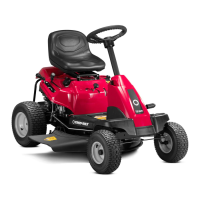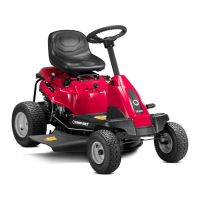
Why Troy-Bilt PONY Lawn Mower engine hesitates at high RPM?
- AAnthony AdamsSep 10, 2025
If your Troy-Bilt lawn mower engine hesitates at high RPM, it may be due to a spark plug gap that is too close. Remove the spark plug and reset the gap.
Why Troy-Bilt PONY Lawn Mower engine hesitates at high RPM?
If your Troy-Bilt lawn mower engine hesitates at high RPM, it may be due to a spark plug gap that is too close. Remove the spark plug and reset the gap.
What to do if Troy-Bilt Lawn Mower engine idles rough?
If your Troy-Bilt lawn mower engine idles roughly, it could be due to a spark plug that is fouled, faulty, or has a gap that is too wide; replace the spark plug and set the plug gap. Alternatively, a dirty air cleaner can cause rough idling; replace the air cleaner element and/or clean the pre-cleaner.
Why Troy-Bilt Lawn Mower has excessive vibration?
Excessive vibration in your Troy-Bilt lawn mower can be caused by a cutting blade that is loose or unbalanced; tighten the blade and spindle, and balance the blade. Alternatively, the cutting blade may be damaged or bent; replace the blade in this case.
What causes uneven cut with Troy-Bilt PONY Lawn Mower?
An uneven cut with your Troy-Bilt lawn mower can result from a deck that is not leveled properly; perform a side-to-side deck adjustment. Another cause could be a dull blade, so sharpen or replace the blade. Finally, check for uneven tire pressure in all four tires.
Why Troy-Bilt PONY Lawn Mower engine overheats?
Your Troy-Bilt lawn mower engine may overheat if the engine oil level is low; fill the crankcase with the proper amount and weight of oil. Also, overheating can occur if airflow is restricted; clean grass clippings and debris from around the engine’s cooling fins and blower housing.
What to do if Troy-Bilt PONY Lawn Mower is not mulching grass?
If your Troy-Bilt lawn mower isn't mulching grass effectively, consider these factors: ensure the engine speed isn't too low by placing the throttle in FAST (rabbit) position. Avoid mulching when the grass is wet. If the grass is excessively high, mow once at a high cutting height, then mow again at your desired height, or make a narrower cutting swath. Finally, check if the blade is dull; if so, sharpen or replace it.
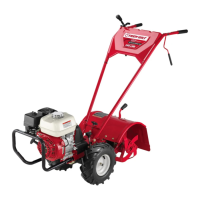
Why won't the wheels and tines turn on my Troy-Bilt Tiller?
If the wheels and tines won't turn on your Troy-Bilt Tiller, it could be due to improper use of controls. You should review the Controls & Operation Section. Other possible causes include a worn or broken clutch belt, internal transmission wear or damage, or a loose bolt and key in the transmission pulley. For these issues, contact an Authorized Service Dealer.
What to do if wheels turn, but tines don't on my Troy-Bilt Tiller?
If the wheels are turning but the tines aren’t on your Troy-Bilt Tiller, it could be due to missing tine holder mounting hardware. Replace the hardware if it is missing. For internal transmission wear or damage, contact an authorized serviced dealer.
What to do if tines turn, but wheels don’t on my Troy-Bilt Tiller?
If the tines are turning but the wheels aren’t on your Troy-Bilt Tiller, it could be due to several reasons. Check if the wheel mounting hardware is missing and replace if needed. Also, inspect the transmission pulley for a loose bolt and key, and tighten the bolt and ensure the key is in place. Make sure that the Wheel Gear Lever is fully engaged. For internal transmission wear or damage, contact an authorized service dealer.
What to do if Troy-Bilt PONY engine hesitates at high RPM?
If your Troy-Bilt Lawn Mower engine hesitates at high RPM, it might be due to the spark plug gap being too close. Remove the spark plug and reset the gap.
Section to log model and serial numbers for future reference.
Provides contact information and assistance for product-related questions.
Instructions for safe operation, understanding controls, and operator responsibilities.
Steps to take before operating the machine, including area inspection and attire.
Precautions and procedures for safely handling gasoline to prevent fire and explosion hazards.
Guidelines for safely operating the tiller, including controls and movement.
Instructions for keeping the machine in good working order and preparing it for storage.
Information regarding engine emissions compliance and regulations.
Safety warning and requirements for using a spark arrestor on the engine exhaust.
Explains the meaning of various safety symbols used on the product and in the manual.
Lists the necessary tools required for assembling the tiller.
Steps for safely removing the tiller from its packaging and shipping materials.
Instructions for attaching and adjusting the tiller's handlebars.
Steps for connecting and testing the reverse clutch control cable.
Instructions for connecting the forward clutch control cable to the linkage.
Instructions for installing the wheel gear lever and ensuring proper function.
Steps for connecting the battery cables to the tiller's electrical system.
Instructions for checking and adjusting tire pressure for optimal performance.
Guidance on filling the fuel tank and checking engine oil levels.
Description of the levers that control forward drive engagement for wheels and tines.
Explanation of the lever used to engage or disengage the drive wheels.
Description of the control for engaging reverse drive to the wheels and tines.
How to adjust the lever that controls the tilling depth of the tines.
Details on the lever used to regulate engine speed and stop the engine.
How to adjust the height of the handlebars for comfortable operation.
Instructions on using the recoil starter to start the engine.
Comprehensive steps for starting the tiller's engine, including pre-start checks and procedures.
Procedures for safely shutting down the tiller's engine.
Instructions on how to engage forward and reverse drive for the wheels and tines.
Guidance on how to safely turn the tiller while operating in the field.
Methods for removing debris tangled in the tiller's tines.
Advice on effective tilling methods, depth control, and soil conditions.
Recommended patterns for tilling different areas and preparing seedbeds.
Safety guidelines and techniques for tilling on moderate slopes, including terracing.
How to till organic matter into the soil to improve fertility.
Safety precautions and procedures for loading and unloading the tiller into a vehicle.
A table outlining routine maintenance tasks and their recommended frequency.
References to engine-specific maintenance procedures found in the separate manual.
Instructions for checking and setting the correct tire pressure.
Importance of checking for loose or missing hardware for safe operation.
Procedure for checking and filling the transmission gear oil level.
Identifies key lubrication points and recommended lubricants for the tiller.
Steps to adjust the wheel gear cable for proper engagement and freewheeling.
How to check and adjust the tension of the forward clutch belt for optimal performance.
Procedure for adjusting the forward clutch control cable for correct belt tension.
Steps for adjusting the reverse clutch belt tension and checking operation.
Instructions for preparing the tiller for storage during non-use periods.
Detailed steps for removing and installing the forward clutch drive belt.
Procedures for removing and installing the reverse clutch drive belt.
Guidance on inspecting tines for wear and procedures for replacing them.
Step-by-step instructions for removing and installing individual tines.
How to remove and reinstall a complete tine assembly onto the tine shaft.
| Engine Brand | Briggs & Stratton |
|---|---|
| Engine Displacement | 500cc |
| Cutting Width | 42 inches |
| Deck Material | Steel |
| Turning Radius | 18 inches |
| Drive System | Rear-wheel drive |
| Warranty | 2-year limited |