11
COOKING PRINCIPLES AND TIPS FOR BETTER RESULT
• Arrange food carefully. Place thickest areas towards outside of dish.
• Watch cooking time. Cook for the shortest amount of time indicated and add
more as needed. Food severely overcooked can smoke or ignite.
• Cover foods while cooking. Covers prevent spattering and help foods to cook
evenly.
• Turn foods over once during microwave cooking to speed cooking of such
foods as chicken and hamburgers. Large items like roasts must be turned over
at least once.
• Rearrange foods such as meatballs halfway through cooking both from top to
bottom and from the center of the dish to the outside
UTENSILS GUIDE
• The ideal material for a microwave utensil is transparent to microwave, it allows
energy to pass through the container and heat the food.
• Microwave cannot penetrate metal, so metal utensils or dishes with metallic
trim should not be used.
• Do not use recycled paper products when microwave cooking, as they may
contain small metal fragments which may cause sparks and/or fires.
• Round /oval dishes rather than square/oblong ones are recommend, as food in
corners tends to overcook.
• Narrow strips of aluminum foil may be used to prevent overcooking of exposed
areas. But be careful don’t use too much and keep a distance of 1 inch
(2.54cm) between foil and cavity.
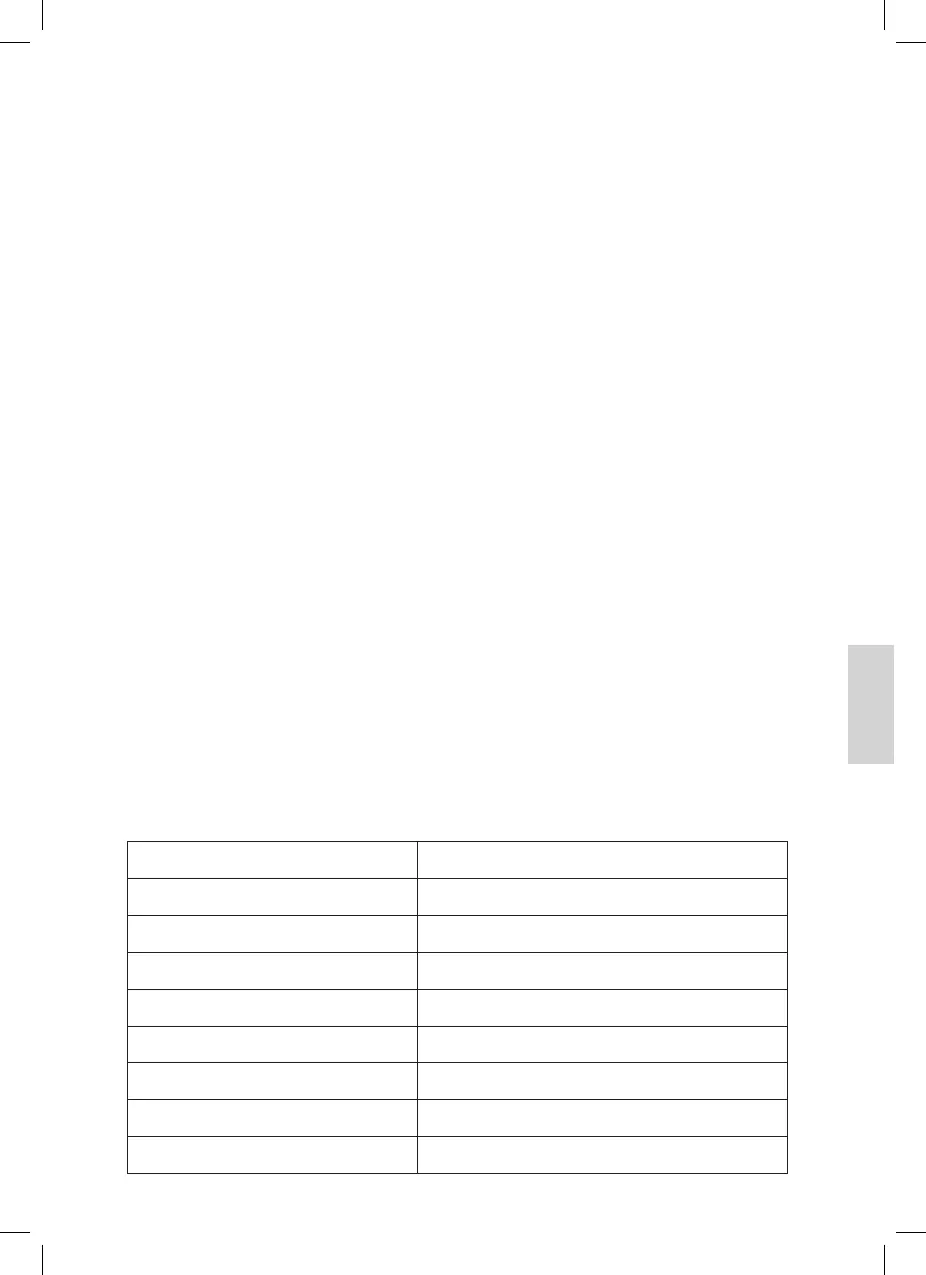
The list below is a general guide to help you select the correct utensils:
Cookware Microwave
Heat–Resistant Glass Yes
Non Heat–Resistant Glass No
Heat–Resistant Ceramics Yes
Microwave–Safe Plastic Dish Yes
Kitchen Paper Yes
Metal Tray No
Metal Rack No
Aluminum Foil & Foil Containers No
WMO-D20L700W_IM.indb 11 07.09.16 15.20


 To Next Page