EasyManua.ls Logo

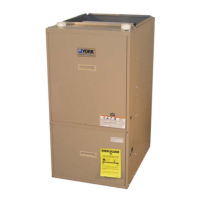
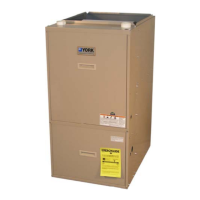
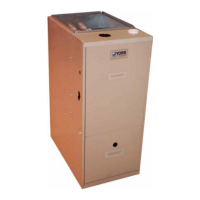
York 92% GF9 - User Manual

York 92% GF9
12 pages
Print Icon
To Next Page IconTo Next Page
Loading...
035-17737-003 Rev. A (0504)
USER’S INFORMATION,
MAINTENANCE AND
SERVICE MANUAL
MODELS: 92% GF9 / GM9 / GY9 (Upflow)
EFFICIENCY
RATING
CERTIFIED
This product was manufactured
in a plant whose quality system
is certified/registered as being
in conformity with ISO 9001.
The manufacturer recommends that the user read all sec-
tions of this manual and keep the manual for future refer-
ence.
SECTION I: USER’S INFORMATION
SAFETY
1. The furnace area must be kept clear and free of combustible mate-
rials, gasoline and other flammable vapors and liquids.
2. Insulating materials may be combustible. The furnace must be
kept free and clear of insulating materials. The furnace area must
be examined when installed in an attic or other insulated space or
when insulation is added to be sure that the insulation material has
been kept away from the furnace.
3. The furnace needs air for combustion in order to operate properly
and safely. Do not block or obstruct air openings on the furnace,
air openings to the area where the furnace is installed, or spaces
around the furnace.
4. Follow the instructions exactly as shown on the OPERATING
INSTRUCTION LABEL or the Start-up and Shutdown Instructions
on Page 3 of this manual when lighting the furnace or turning the
furnace off.
5. Should the gas supply fail to shut off or if overheating occurs, shut
off the gas valve to the furnace before shutting off the electrical
supply.
6. Do not use this furnace if any part has been under water. A flood-
damaged furnace is extremely dangerous. Attempts to use the fur-
nace can result in fire or explosion. A qualified service agency
should be contacted to inspect the furnace and replace all gas
controls, control system parts, electrical parts that have been wet
or the furnace if deemed necessary.
FIRE OR EXPLOSION HAZARD - Failure to follow
safety warnings exactly could result in serious injury,
death, or property damage.
— Do not store or use gasoline or other flammable
vapors and liquids in the vicinity of this or any
other appliance.
— WHAT TO DO IF YOU SMELL GAS:
Do not try to light any appliance.
Do not touch any electrical switch; do not use any
phone (included cell phone) in your building.
Leave the building immediately.
Immediately call your gas supplier from a neighbor’s
phone. Follow the gas supplier’s instructions.
If you cannot reach your gas supplier, call the fire
department.
— Installation and service must be performed by a
qualified installer, service agency or the gas sup-
plier.
CONTACT INFORMATION
Go to website at www.york.com click on “contact”, then click on “contact form” and follow the instructions.
Contact us by mail:
York International
Consumer Relations
5005 York Drive
Norman, OK 73069
TABLE OF CONTENTS
CONTACT INFORMATION . . . . . . . . . . . . . . . . . . . . . . . . . . . . . . . .1
USER’S INFORMATION . . . . . . . . . . . . . . . . . . . . . . . . . . . . . . . . . . .1
SAFETY . . . . . . . . . . . . . . . . . . . . . . . . . . . . . . . . . . . . . . . . . . . . . .1
INSTRUCTIONS FOR EXAMINING THE FURNACE
INSTALLATION . . . . . . . . . . . . . . . . . . . . . . . . . . . . . . . . . . . . . . . .2
HOW YOUR GAS FURNACE WORKS . . . . . . . . . . . . . . . . . . . . . . 3
START-UP AND SHUTDOWN INSTRUCTIONS . . . . . . . . . . . . . . .3
Read the Instructions Below Before Trying to Start the Furnace . . 3
Operating Instructions: . . . . . . . . . . . . . . . . . . . . . . . . . . . . . . . . . .3
To Turn Off the Appliance: . . . . . . . . . . . . . . . . . . . . . . . . . . . . . . .3
FURNACE USER MAINTENANCE . . . . . . . . . . . . . . . . . . . . . . . . . .4
SERVICE AND MAINTENANCE MANUAL . . . . . . . . . . . . . . . . . . . . . 4
SAFETY SECTION . . . . . . . . . . . . . . . . . . . . . . . . . . . . . . . . . . . . . .4
FURNACE MAINTENANCE SECTION . . . . . . . . . . . . . . . . . . . . . . .4
Air Filters . . . . . . . . . . . . . . . . . . . . . . . . . . . . . . . . . . . . . . . . . . . .4
Replacing Filters . . . . . . . . . . . . . . . . . . . . . . . . . . . . . . . . . . . . . . 4
Blower Care . . . . . . . . . . . . . . . . . . . . . . . . . . . . . . . . . . . . . . . . . . 5
Motor Lubrication . . . . . . . . . . . . . . . . . . . . . . . . . . . . . . . . . . . . . .5
SEQUENCE OF OPERATION . . . . . . . . . . . . . . . . . . . . . . . . . . . . .5
Continuous Blower . . . . . . . . . . . . . . . . . . . . . . . . . . . . . . . . . . . . .5
Intermittent Blower - Cooling . . . . . . . . . . . . . . . . . . . . . . . . . . . . .5
Heating Cycle . . . . . . . . . . . . . . . . . . . . . . . . . . . . . . . . . . . . . . . . .5
Hot Surface Ignition System . . . . . . . . . . . . . . . . . . . . . . . . . . . . . .5
FURNACE CLEANING SECTION . . . . . . . . . . . . . . . . . . . . . . . . . . .6
Burner Removal/Cleaning . . . . . . . . . . . . . . . . . . . . . . . . . . . . . . .6
Cleaning the Heat Exchanger . . . . . . . . . . . . . . . . . . . . . . . . . . . .6
Cleaning the Secondary Heat Exchanger . . . . . . . . . . . . . . . . . . .6
TROUBLESHOOTING . . . . . . . . . . . . . . . . . . . . . . . . . . . . . . . . . . .6
FURNACE CONTROL DIAGNOSTICS . . . . . . . . . . . . . . . . . . . . . . .6
DIAGNOSTIC FAULT CODE STORAGE AND RETRIEVAL . . . . . .7
REPLACEMENT PARTS LIST . . . . . . . . . . . . . . . . . . . . . . . . . . . . . .8
FIELD INSTALLED ACCESSORIES - NON-ELECTRICAL . . . . . .10
REPLACEMENT PART CONTACT INFORMATION . . . . . . . . . . . . .10
WIRING DIAGRAM . . . . . . . . . . . . . . . . . . . . . . . . . . . . . . . . . . . . . .11
LIMITED WARRANTY . . . . . . . . . . . . . . . . . . . . . . . . . . . . . . . . . . . .12
Question and Answer IconNeed help?

Do you have a question about the York 92% GF9 and is the answer not in the manual?

Summary

Contact Information

User Information

Safety

General safety precautions for furnace operation and maintenance.

Instructions for Examining the Furnace

Installation Examination

Ensuring annual inspection of the heating portion by a qualified service agency.

How Your Gas Furnace Works

Start-Up and Shutdown Instructions

Operating Instructions

Step-by-step guide for starting and stopping the furnace safely.

Turning Off the Appliance

Procedure for safely shutting down the furnace.

Furnace User Maintenance

Air Filters and Replacement

Guidance on selecting, replacing, and cleaning furnace air filters.

Blower Care and Motor Lubrication

Instructions for blower assembly inspection, cleaning, and motor lubrication.

Service and Maintenance Manual

Safety Section for Servicing

Critical safety warnings and procedures for furnace servicing.

Furnace Maintenance Procedures

Annual cleaning and servicing tasks for furnace components.

Sequence of Operation

Detailed explanation of furnace operating modes and cycles.

Hot Surface Ignition System

Description and warnings related to the hot surface ignition system.

Furnace Cleaning

Procedures for cleaning burners, heat exchangers, and related components.

Troubleshooting and Diagnostics

Furnace Control Diagnostics

Understanding and interpreting furnace control fault codes and LED indicators.

Diagnostic Fault Code Storage and Retrieval

Procedure for accessing stored error codes on the furnace control board.

Replacement Parts List

Field Installed Accessories

List of non-electrical accessories available for field installation.

Replacement Part Contact Information

How to obtain a complete parts list and contact customer service.

Wiring Diagram

Limited Warranty Information

Warranty Exclusions

Details of items and conditions not covered by the manufacturer's warranty.

Summary

Contact Information

User Information

Safety

General safety precautions for furnace operation and maintenance.

Instructions for Examining the Furnace

Installation Examination

Ensuring annual inspection of the heating portion by a qualified service agency.

How Your Gas Furnace Works

Start-Up and Shutdown Instructions

Operating Instructions

Step-by-step guide for starting and stopping the furnace safely.

Turning Off the Appliance

Procedure for safely shutting down the furnace.

Furnace User Maintenance

Air Filters and Replacement

Guidance on selecting, replacing, and cleaning furnace air filters.

Blower Care and Motor Lubrication

Instructions for blower assembly inspection, cleaning, and motor lubrication.

Service and Maintenance Manual

Safety Section for Servicing

Critical safety warnings and procedures for furnace servicing.

Furnace Maintenance Procedures

Annual cleaning and servicing tasks for furnace components.

Sequence of Operation

Detailed explanation of furnace operating modes and cycles.

Hot Surface Ignition System

Description and warnings related to the hot surface ignition system.

Furnace Cleaning

Procedures for cleaning burners, heat exchangers, and related components.

Troubleshooting and Diagnostics

Furnace Control Diagnostics

Understanding and interpreting furnace control fault codes and LED indicators.

Diagnostic Fault Code Storage and Retrieval

Procedure for accessing stored error codes on the furnace control board.

Replacement Parts List

Field Installed Accessories

List of non-electrical accessories available for field installation.

Replacement Part Contact Information

How to obtain a complete parts list and contact customer service.

Wiring Diagram

Limited Warranty Information

Warranty Exclusions

Details of items and conditions not covered by the manufacturer's warranty.

Overview

This document is a comprehensive user, maintenance, and service manual for the York International 92% GF9 / GM9 / GY9 Upflow gas furnace models. It provides essential information for safe and efficient operation, as well as detailed instructions for maintenance and troubleshooting.

Function Description

The York gas furnace is designed to provide warmth and comfort in residential and non-residential settings. It operates by burning natural gas or LP propane gas to heat air, which is then circulated throughout the building. The furnace is equipped with an automatic hot surface ignition system, eliminating the need for a pilot light. When the thermostat calls for heat, the inducer motor first purges the heat exchanger of any remaining gases. The hot surface ignitor then glows, and after a warm-up period, the gas valve opens, allowing gas to flow and ignite. Shortly after ignition, the blower motor starts, distributing warm air. Once the thermostat's set temperature is reached, the gas valve closes, the main burners turn off, and the blower continues to run until the remaining warm air is distributed, completing the heating cycle.

The furnace incorporates several safety features to ensure reliable operation. A spring-loaded safety cut-off switch automatically cuts off electrical power if the blower panel is removed. The control board includes self-diagnostic capabilities with a blinking LED to indicate fault codes, aiding in troubleshooting. These codes cover various issues, from flame sensing problems and pressure switch malfunctions to limit switch openings and reversed line voltage polarity. The control also stores up to five error codes in memory, which can be retrieved by a qualified service technician, even if power to the furnace is lost. A 60-minute automatic reset from lockout feature provides protection against temporary malfunctions, allowing the unit to restart after an hour if the issue is resolved.

The furnace also supports continuous and intermittent blower operation for cooling. In continuous blower mode, the motor operates on a speed tap wire connected to the cooling terminal on the control board. In intermittent mode, the blower operates when there is a call for cooling, with a fixed 60-second fan-off setting for SEER enhancement.

Usage Features

The manual emphasizes safe and proper usage of the furnace. Users are instructed to keep the furnace area clear of combustible materials, gasoline, and other flammable vapors and liquids. Proper airflow for combustion is crucial, so air openings on and around the furnace must not be blocked.

Starting and shutting down the furnace involves a clear sequence of steps. To start, users must set the thermostat to the lowest setting, turn off electrical power, remove the burner door, move the gas control switch to "OFF," wait five minutes to clear any gas, then move the switch to "ON," replace the burner door, turn on electrical power, and finally set the thermostat to the desired temperature. If the appliance fails to operate after three ignition trials, users are advised to follow the shutdown instructions and contact a service technician or gas supplier.

To turn off the appliance, users should set the thermostat to the lowest setting, turn off electrical power if service is to be performed, remove the upper access panel, move the gas control switch to "OFF," and replace the burner access panel. In case of overheating or gas valve failure, users are instructed to turn off the external manual gas valve in the supply line before shutting off electrical power.

The furnace is designed for use with Natural Gas and LP Propane Gas ONLY; burning any other liquid or solid fuel is strictly prohibited due to the risk of damage, fire, personal injury, and property damage.

Maintenance Features

Regular maintenance is crucial for the furnace's safe and efficient operation. The manufacturer recommends that a qualified service agency perform an annual inspection and cleaning of the entire heating portion of the unit. However, some visual inspections and filter maintenance can be performed by the user.

Key maintenance items include:

  • Air Filters: Dirty filters restrict airflow and can damage furnace components. Filters should be checked every three months, or weekly for new construction during the first four weeks, and every three weeks thereafter if the indoor fan runs continuously. The manual provides detailed instructions for determining the correct filter size based on cabinet width and return air duct configuration. Filters must be installed externally to the furnace casing. Throw-away filters should be replaced with new ones of the same size, while cleanable filters can be cleaned with a vacuum cleaner or garden hose and allowed to dry completely before re-installation. It is critical NOT to operate the furnace without a suitable air filter.
  • Blower Care: Even with good filters, blower wheels and motors can accumulate dust. The entire blower assembly should be inspected annually. Light dust can be brushed and vacuumed. If the blower cannot be properly cleaned without removal from the furnace, a qualified service agency should perform this service. A critical warning advises users NOT to move the clip-on weight on the indoor fan wheel, as it is used for balancing and moving it will cause vibration.
  • Motor Lubrication: The motors in these furnaces are permanently lubricated and do not require periodic oiling.
  • Visual Inspections: Every time filters are changed, users should visually inspect the combustion air and vent pipe for blockage or leakage, check all components for good condition and signs of deterioration, and inspect drain lines for cracks or leaks. Any dirt or lint on surfaces or components should be noted, but users should not attempt to clean them themselves; cleaning by a qualified service professional is recommended.
  • Professional Cleaning: The manual specifies that cleaning operations for the burner, heat exchanger, and secondary heat exchanger must be performed by a qualified service agency. This includes burner removal and cleaning, cleaning inside the heat exchanger tubes with a flexible wire brush, and vacuuming loose scale and dirt. For the secondary heat exchanger, this involves removing vent piping, drain lines, and the vent blower housing.

The manual also provides troubleshooting guidance, starting with visual checks such as verifying power, open gas shut-off valves, and secure wiring connections. Users are advised to review the sequence of operation and observe the system's response to diagnose problems. A strict warning is issued against bypassing any safety control or attempting to repair controls, emphasizing that defective controls should be replaced with UPG Source 1 Parts.

York 92% GF9 Specifications

General IconGeneral
Fuel TypeNatural Gas
AFUE92%
ConfigurationUpflow/Horizontal
Heating Capacity40, 000-120, 000 BTU/h
StagesSingle Stage
Warranty10-year limited

Related product manuals