EasyManua.ls Logo

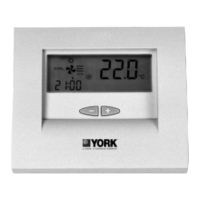
York Thermostat - User Manual

York Thermostat
8 pages
Print Icon
To Next Page IconTo Next Page
Loading...
USER’S, MAINTENANCE and
SERVICE INFORMATION
MANUAL
SINGLE PACKAGE
AIR CONDITIONER
GAS/ELECTRIC
035-19699-001-B-0804
CONTENTS
SAFETY INFORMATION . . . . . . . . . . . . . . . . 2
FOR YOUR SAFETY . . . . . . . . . . . . . . . . . . . . . . .2
SYSTEM OPERATION . . . . . . . . . . . . . . . . . . 2
THERMOSTATS. . . . . . . . . . . . . . . . . . . . . . . . . . .2
INTERMITTENT IGNITION DEVICE . . . . . . . . . . .2
INPUT . . . . . . . . . . . . . . . . . . . . . . . . . . . . . . . . . . .3
OPERATING INSTRUCTIONS. . . . . . . . . . . . . . . .3
TO SHUT DOWN THE FURNACE . . . . . . . . . . . . .3
TO LIGHT THE FURNACE. . . . . . . . . . . . . . . . . . .3
VENT SAFETY SYSTEM . . . . . . . . . . . . . . . . . . . .3
100% SHUT OFF . . . . . . . . . . . . . . . . . . . . . . . . . .3
EXPLAIN UNIT FUNCTION . . . . . . . . . . . . . . 4
GENERAL MAINTENANCE . . . . . . . . . . . . . . 4
HEATING SYSTEM INSPECTION. . . . . . . . . . . . .4
BURNER AND PILOT CHECK. . . . . . . . . . . . . . . .4
CLEANING BURNERS. . . . . . . . . . . . . . . . . . . . . .5
CLEANING FLUE PASSAGES AND
HEATING ELEMENTS . . . . . . . . . . . . . . . . . . . . . .5
AIR FILTERS . . . . . . . . . . . . . . . . . . . . . . . . . . . . .5
ECONOMIZER . . . . . . . . . . . . . . . . . . . . . . . . . . . .6
BLOWER ASSEMBLY . . . . . . . . . . . . . . . . . . . . . .6
BLOWER SHAFT BEARING . . . . . . . . . . . . . . . . .6
MOTORS . . . . . . . . . . . . . . . . . . . . . . . . . . . . . . . .6
CONDENSER COIL . . . . . . . . . . . . . . . . . . . . . . . .7
REGISTERS. . . . . . . . . . . . . . . . . . . . . . . . . . . . . .7
TROUBLESHOOTING . . . . . . . . . . . . . . . . . . 7
BEFORE CALLING A SERVICE PERSON . . . . . .7
REPLACEMENT PARTS . . . . . . . . . . . . . . . . 8
The manufacturer recommends that the “User” read all sections of this
manual and keep the manual for future reference.
FIRE OR EXPLOSION HAZARD
Failure to follow safety warnings exactly
could result in serious injury, death, or
property damage.
- Do not store or use gasoline or other
flammable vapors and liquids in the
vicinity of this or any other appliance.
- WHAT TO DO IF YOU SMELL GAS:
Do not try to light any appliance.
Do not touch any electrical switch; do not
use any phone in your building.
Leave the building immediately.
Immediately call your gas supplier from a
neighbor’s phone. Follow the gas sup-
plier’s instructions.
If you cannot reach your gas supplier, call
the fire department.
- Installation and service must be per-
formed by a qualified installer, service
agency or the gas supplier.
®
Question and Answer IconNeed help?

Do you have a question about the York Thermostat and is the answer not in the manual?

Summary

Safety Information

For Your Safety

Essential safety guidelines to prevent hazards and ensure proper use of the furnace.

System Operation

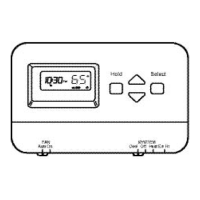
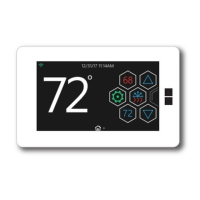
Thermostats

Instructions on setting and using the thermostat for optimal heating or cooling control.

Intermittent Ignition Device

Explanation of the pilot light and automatic ignition system operation.

Input

Information on regulating furnace heat capacity via orifices and gas pressure.

Operating Instructions

Steps for safely shutting down and lighting the furnace.

To Shut Down the Furnace:

Procedure for safely turning off the furnace system.

To Light the Furnace:

Procedure for safely starting the furnace's ignition sequence.

Vent Safety System

Description of the safety mechanism that shuts off gas flow during flame rollout.

100% Shut Off:

Details on the safety feature that prevents gas flow on ignition failure.

Explain Unit Function

General Maintenance

Heating System Inspection

Recommendation for annual professional inspection of heating components.

Burner and Pilot Check

Procedure for periodic visual inspection of pilot and main burner flames.

Cleaning Burners

Instructions for cleaning the furnace burners using a wire brush and vacuum.

Cleaning Flue Passages and Heating Elements

Steps for cleaning soot build-up in heat exchanger tubes and passages.

Air Filters

Guidance on inspecting, cleaning, and replacing air filters for optimal performance.

Blower Assembly

Instructions for inspecting and cleaning the blower motor and wheel.

Blower Shaft Bearing

Recommendations for inspecting and lubricating blower shaft bearings.

Economizer

Procedure for cleaning and lubricating the economizer assembly gears.

Motors

Information on maintenance for outdoor fan motors and indoor blower motors.

Condenser Coil

Guidance on annual cleaning of the outdoor condenser coil.

Registers

Requirement for supply and return air registers to remain open during operation.

Troubleshooting

Before Calling a Service Person:

Basic checks to perform before contacting a service technician for issues.

Replacement Parts

Summary

Safety Information

For Your Safety

Essential safety guidelines to prevent hazards and ensure proper use of the furnace.

System Operation

Thermostats

Instructions on setting and using the thermostat for optimal heating or cooling control.

Intermittent Ignition Device

Explanation of the pilot light and automatic ignition system operation.

Input

Information on regulating furnace heat capacity via orifices and gas pressure.

Operating Instructions

Steps for safely shutting down and lighting the furnace.

To Shut Down the Furnace:

Procedure for safely turning off the furnace system.

To Light the Furnace:

Procedure for safely starting the furnace's ignition sequence.

Vent Safety System

Description of the safety mechanism that shuts off gas flow during flame rollout.

100% Shut Off:

Details on the safety feature that prevents gas flow on ignition failure.

Explain Unit Function

General Maintenance

Heating System Inspection

Recommendation for annual professional inspection of heating components.

Burner and Pilot Check

Procedure for periodic visual inspection of pilot and main burner flames.

Cleaning Burners

Instructions for cleaning the furnace burners using a wire brush and vacuum.

Cleaning Flue Passages and Heating Elements

Steps for cleaning soot build-up in heat exchanger tubes and passages.

Air Filters

Guidance on inspecting, cleaning, and replacing air filters for optimal performance.

Blower Assembly

Instructions for inspecting and cleaning the blower motor and wheel.

Blower Shaft Bearing

Recommendations for inspecting and lubricating blower shaft bearings.

Economizer

Procedure for cleaning and lubricating the economizer assembly gears.

Motors

Information on maintenance for outdoor fan motors and indoor blower motors.

Condenser Coil

Guidance on annual cleaning of the outdoor condenser coil.

Registers

Requirement for supply and return air registers to remain open during operation.

Troubleshooting

Before Calling a Service Person:

Basic checks to perform before contacting a service technician for issues.

Replacement Parts

Overview

This document is a user's, maintenance, and service information manual for a York Single Package Air Conditioner Gas/Electric unit, designed for heating and air conditioning. It provides comprehensive instructions for safe operation, general maintenance, troubleshooting, and identifies replacement parts.

Function Description

The York Single Package Air Conditioner Gas/Electric unit is designed to provide both heating and cooling for a building. It operates based on thermostat settings, automatically adjusting to maintain the desired indoor temperature. For heating, the unit utilizes an intermittent ignition device with a cycling pilot burner and an automatic re-ignition system. When the thermostat calls for heat, pilot gas is supplied, and an electric spark ignites the pilot. Once the pilot is lit, a flame sensor closes a circuit to the ignitor control, which then opens the gas valve to admit main burner gas, initiating the heating process. When the thermostat is satisfied, the electrical circuit to the gas valve closes, shutting off both main burner and pilot gas. The unit also incorporates a vent safety system with an automatic reset high-temperature sensor or rollout switch. In the event of a sustained main burner flame rollout, this switch will shut off the gas flow, disabling the ignition modules and preventing gas flow to the valves. This safety feature protects against blockages in the power vent system or improper gas pressure. The unit also features a 100% shut-off mechanism: if the furnace fails to ignite within 85 seconds of a call for heat, the gas flow will be shut off, and the ignition module will lock out. This lock-out can be reset via the thermostat or the unit's main disconnect switch. For cooling, the unit functions as an air conditioner, circulating refrigerant to cool the indoor air.

Usage Features

The primary interface for users is the thermostat, which allows setting the desired temperature for heating or cooling. Users are advised to avoid rapid adjustments or frequent switching between heating and cooling modes, as this can damage the equipment. A minimum of 5 minutes should be allowed between changes. The manual emphasizes finding a comfortable temperature and leaving the thermostat alone, except for "set back" to conserve energy during nights or vacations. Manual adjustments to the thermostat will not speed up temperature changes. For lighting the furnace, users should not attempt manual ignition; instead, they should open the main gas shutoff valve(s), adjust the thermostat above the room temperature, and turn on the electric power supply. The draft fan will operate, followed by the electric spark igniter lighting the burners after an adequate purge time. The burners will then extinguish and relight automatically as needed. To shut down the furnace, users must close the main gas shutoff valve(s) and turn off the electric power supply. The manual also highlights the importance of keeping the area around the furnace clear of combustible materials, insulation, and obstructions to ensure proper combustion and ventilation airflow.

Maintenance Features

The manual outlines several key maintenance procedures to ensure long and trouble-free service. It strongly recommends periodic inspection, cleaning, lubrication, and adjustment by a qualified service technician, ideally annually. Owners are also encouraged to perform visual inspections.

  • Heating System Inspection: An annual inspection of the entire heating portion, including burners, heating elements, and flues, is recommended to check for corrosion or soot accumulation. The owner should also visually inspect the flue outlet at least once per heating season for black soot or blockages.
  • Burner and Pilot Check: Periodically, at least annually, a visual check of the pilot and main burner flame should be performed. Burner primary air shutters should be adjusted to achieve a distinct, sharp blue flame. If proper flame adjustment is not possible, the burners may need cleaning.
  • Cleaning Burners: Burners should be removed from the furnace and cleaned with a wire brush and vacuum as needed.
  • Cleaning Flue Passages and Heating Elements: If the heating element becomes sooted, it can be cleaned by removing the burner assembly, unit roof, top plate, top draft blower wheel, flue collector box, and flue baffles. A wire brush on a flexible wand should be used to clean the heat exchanger, flue collector box, and baffles. All brushed areas should then be blown with air or nitrogen and vacuumed.
  • Air Filters: All units contain 2" filters, which should be inspected monthly and cleaned or replaced if they accumulate excessive dirt. Filters must be installed with "Air Flow" arrows pointing inward towards the indoor coil.
  • Economizer: The economizer assembly should be inspected annually for dust accumulation. It can be brushed and cleaned with a vacuum, and a silicon-based spray lubricant should be applied to the gears connecting the damper blades. All maintenance on the damper assembly must be performed with power disconnected.
  • Blower Assembly: Blower wheels and motors can accumulate dust even with good filters. The entire blower assembly should be inspected annually and cleaned with a brush and vacuum if heavily coated.
  • Blower Shaft Bearing: Blower shaft bearings should be inspected monthly and relubricated every 6 months with a lithium-based grease (NLGI grade 2) recommended for ball bearing service. Over-lubrication should be avoided.
  • Motors: Outdoor fan motors are permanently lubricated and require no maintenance. The ventor motor is factory lubricated for an estimated 10-year life. Indoor blower motor ball bearings do not require periodic lubrication but can benefit from lubrication every three years using a low-pressure grease gun until grease just begins to show at the seals.
  • Condenser Coil: An annual check and cleaning of the outdoor coil is recommended. Debris and dirt should be removed with a brush, taking care not to damage the fins. For extremely dirty coils, a hose and soapy solution can be used.
  • Registers: Supply and return air registers must remain open during operation, and obstructions should not block airflow.

The manual also includes a troubleshooting section for users to consult before calling a service person, advising checks on thermostat settings, fuses/circuit breakers, and air filters. It also provides a space for the installer to record installation details for future reference and warranty purposes.

York Thermostat Specifications

General IconGeneral
BacklightYes
Hold FunctionYes
Filter Change AlertYes
DisplayLCD
Power SourceBattery or Hardwired
ProgrammableYes
System SwitchHeat, Cool, Auto, Off
Fan ControlOn, Auto

Related product manuals