DE1-SOC COMPUTER SYSTEM WITH NIOS II For Quartus II 15.0
received from the PS/2 port in the variables byte
1
, byte
2
, and byte
3
. This code is included as part of a larger sample
program called Media that is distributed with the Altera Monitor Program.
volatile int * PS2_ptr = (int *) 0xFF200100; // PS/2 port address
int PS2_data, RVALID;
char byte1 = 0, byte2 = 0, byte3 = 0;
. . .
PS2_data = *(PS2_ptr); // read the Data register in the PS/2 port
RVALID = PS2_data & 0x8000; // extract the RVALID field
if (RVALID)
{
/* save the last three bytes of data */
byte1 = byte2;
byte2 = byte3;
byte3 = PS2_data & 0xFF;
}
. . .
Figure 34. An example of code that uses the PS/2 port.
4.5.1 PS/2 Port Dual
The DE1-SoC Computer includes a second PS/2 port that allows both a keyboard and mouse to be used at the same
time. To use the dual port a Y-splitter cable must be used and the keyboard and mouse must be connected to the
PS/2 connector on the DE1-SoC board through this cable. The PS/2 port dual has the same registers as the PS/2 port
shown in Figure 34, except that the base address of its PS2_Data register is 0xFF200108 and the base address of
its PS2_Control register is 0xFF20010C.
4.6 IrDA Infrared Serial Port
The IrDA port in the DE1-SoC Computer implements a UART that is connected to the infrared transmit/receive
device on the DE1-SoC board. This UART is configured for 8-bit data, one stop bit, and no parity, and operates at a
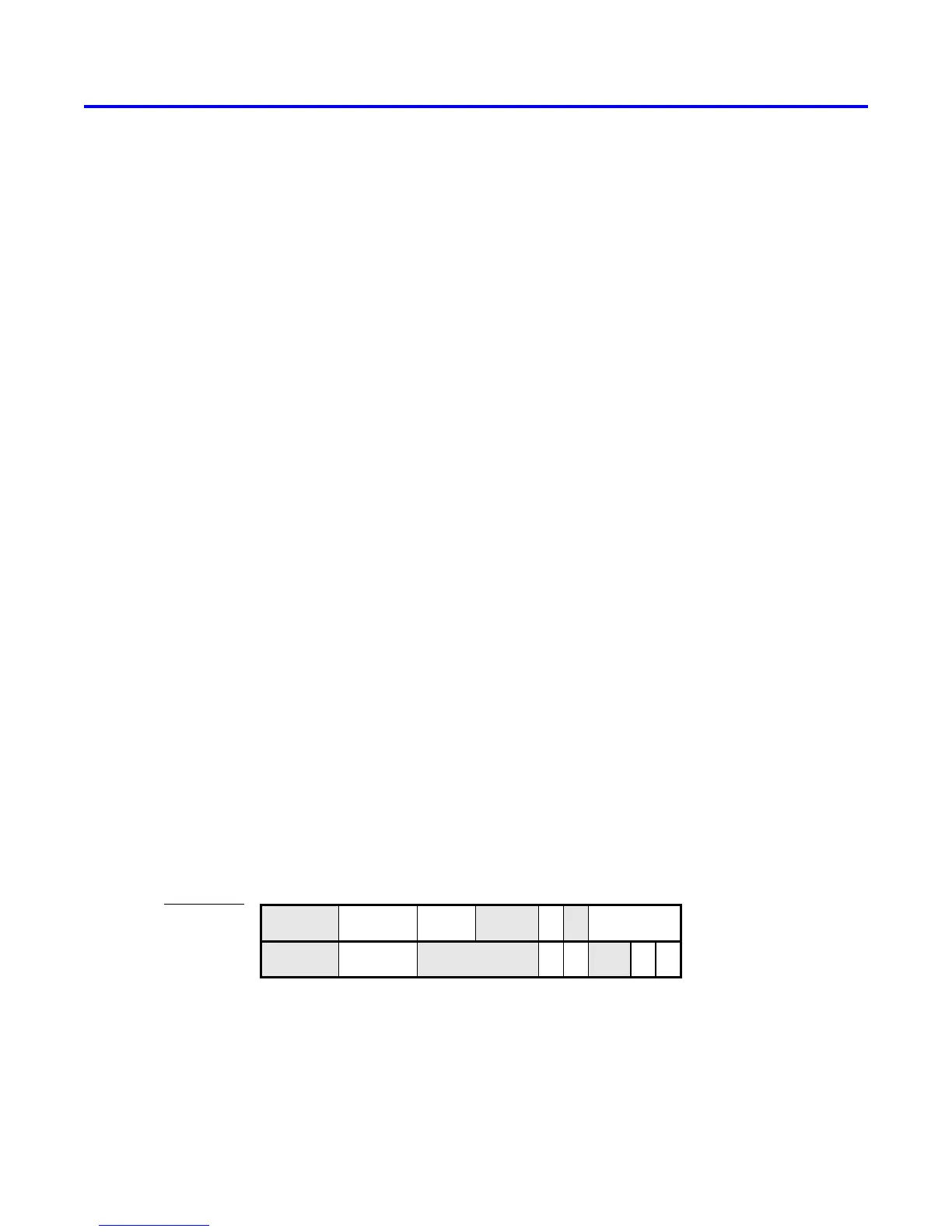
baud rate of 115,200. The serial port’s programming interface consists of two 32-bit registers, as illustrated in Figure
35. The register at address 0xFF201020 is referred to as the Data register, and the register at address 0xFF201024
is called the Control register.
Address
09731 16
. . .
0xFF201024
DATAR AVA I L
14 10
. . .
8
. . .
Unused PE
WSPACE
WI RI WE RE
1
0xFF201020
Data register
Control register
RVALID
15
Unused
. . .
24 23
Unused
Unused
Figure 35. IrDA serial port UART registers.
When character data is received from the IrDA chip it is stored in a 256-character FIFO in the UART. As illustrated
in Figure 35, the number of characters RAVAIL currently stored in this FIFO is provided in bits 23−16 of the Data
38 Altera Corporation - University Program
2015


 To Next Page