EasyManua.ls Logo

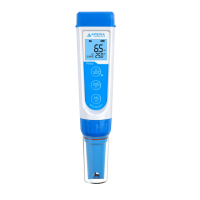
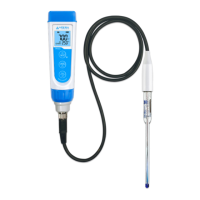
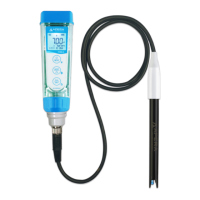
Apera Instruments PH60-WW - User Manual

Apera Instruments PH60-WW
16 pages
Print Icon
To Next Page IconTo Next Page
Loading...




|





ISO
9001
:
2015


V2.1

Questions and Answers

  • L
    Lisa MontgomeryJul 29, 2025
    Why am I getting a calibration error on my Apera Instruments PH60-WW Measuring Instruments?
    • C
      Courtney NelsonJul 30, 2025
      If you encounter a calibration error with your Apera Instruments Measuring Instruments, several factors could be the cause. First, ensure you're calibrating in the correct order: always pH 7 first, then pH 4 or pH 10. Also, check that your calibration standard solutions are fresh, clean, and from a reputable manufacturer. A contaminated electrode can also cause errors, so thoroughly clean it. An aged or dried-out electrode may also be the culprit; if aged, replace it, and if dried out, soak it in the soaking solution overnight. Ensure the electrode is fully immersed in the solution, above the junction, and that there are no air bubbles around the sensor. Finally, make sure to wait for the reading to fully stabilize before pressing to finish the calibration.
  • C
    Curtis WilliamsAug 10, 2025
    Why is the reading always slowly changing on Apera Instruments PH60-WW Measuring Instruments?
    • T
      tonya77Aug 10, 2025
      If the reading on your Apera Instruments Measuring Instruments is always slowly changing and won’t stabilize, it could be due to several reasons. The electrode might be contaminated, so thoroughly clean it. Another possibility is a clogged junction, which also requires thorough cleaning. An aged electrode can also cause this issue, so consider replacing it. If you're testing low ionic strength solutions like distilled or deionized water, this can also lead to unstable readings.
  • D
    dominic68Aug 17, 2025
    What to do if Apera Instruments PH60-WW Measuring Instruments is showing jumping readings?
    • E
      Ethan WestAug 17, 2025
      If your Apera Instruments Measuring Instruments is showing jumping readings (generating random numbers), there are a few potential causes. First, ensure the electrode is fully immersed in the solution, above the junction, and that the storage vial is removed. Air bubbles around the sensor can also cause this, so give the solution a quick stir. Finally, check the electrode's connector to ensure it's not broken and is correctly connected. When no electrode is connected, screw on the connector cap to protect the connector.
  • L
    Lisa CollinsAug 22, 2025
    Why is Apera Instruments PH60-WW Measuring Instruments displaying similar readings in any solutions?
    • J
      Judith McbrideAug 22, 2025
      If your Apera Instruments Measuring Instruments displays similar readings in any solution or is stuck at 7.00 pH, it could be due to a broken electrode. If you don’t see any physical damage of the electrode and it’s within the 6-month electrode warranty, contact us for warranty fulfillment; If there is visible damage, replace the electrode. Another possibility is an instrument defect; in this case, contact us for warranty fulfillment.
  • S
    sara36Nov 4, 2025
    What to do if Apera Instruments PH60-WW Measuring Instruments calibration is successful, but the measurement is not accurate?
    • R
      Rachel WatsonNov 4, 2025
      If your Apera Instruments Measuring Instruments calibration is successful but the measurement seems inaccurate, consider these possibilities: The electrode may be aged and need replacement. Air bubbles around the sensor can interfere with readings, so stir the solution to remove them. Ensure you've selected the correct buffer standard in the settings (P1) to match your calibration buffers. A clogged junction can also cause inaccurate readings, so clean it thoroughly. Also, make sure your calibration standard solutions are fresh, clean, and from a legitimate manufacturer. Remember that test strips or drop tests' accuracy isn't comparable to pH meters'. If none of these solve the issue, the electrode might not be suitable for your test sample or environment; contact us to find the most appro...

Summary

Whats in the Kit

Keypad Functions

Preparation Before Use

Electrode Structure Overview

Details the physical components of the LabSen 335 pH electrode.

Initial Setup Steps

Covers battery insulation, electrode removal, and rinsing procedures.

pH Calibration

How to Calibrate

Step-by-step guide for performing pH calibration on the meter.

Calibration Guidelines and Best Practices

Information on calibration notes, buffer management, and frequency.

pH Measurement

How to Take pH Measurement

Instructions for performing accurate pH measurements with the device.

Electrode Cleaning

Electrode Storage

Parameter Settings

Settings Menu Overview

Lists and describes the available parameter settings and their defaults.

Parameter Setting Instructions

Detailed guidance on configuring various meter parameters.

Instrument Technical Specifications

Electrode Technical Specifications

Electrode Replacement

Electrode Lifespan and Replacement

Information on electrode aging and recommended replacement intervals.

Disconnecting and Installing Electrode

Procedure for removing the old and attaching a new electrode.

Post-Replacement Calibration

Requirement for calibration after installing a new electrode.

Compatible Electrodes

List of pH electrodes compatible with the PH60-WW meter.

Battery Replacement

Troubleshooting Guide

Calibration Errors and Issues

Troubleshooting steps for calibration errors and unstable readings.

Measurement and Reading Problems

Solutions for jumping readings and inaccurate measurements.

Limited Warranty

Apera Instruments PH60-WW Specifications

General IconGeneral
BrandApera Instruments
ModelPH60-WW
CategoryMeasuring Instruments
LanguageEnglish

Related product manuals