USER MANUAL
Page - 10
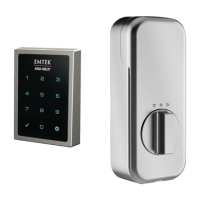
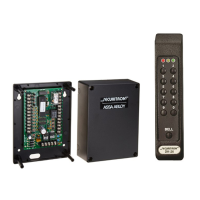
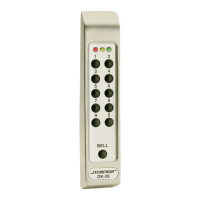
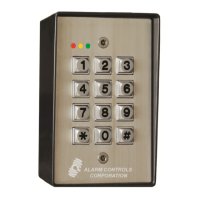
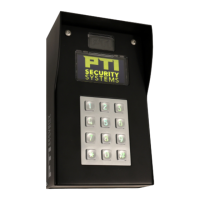
AP1 KEYPAD
When positioning the keypad for drive up accessibility, it must be mounted with easy
reach of the driver of an automobile or light truck when considering the touchpad being
used for access. Most of these locations use gooseneck stands or keypad bollards with
cap on an island between the entry and exit gates (or to the left side of the gate if a single
gate is used).
Local building codes may set a minimum and maximum height for devices that are
accessible by vehicle and shows suitable mounting locations when used for vehicle
access.
Walk Up Accessibility
When positioning the keypad for walk up accessibility, it can be mounted on a stand or
attached to a wall. It can also be surface mounted so that it protrudes from the wall.
Mounting Keypad
Mounting height varies with the application and it can be installed on a gooseneck stand,
keypad bollard, or to a wall.
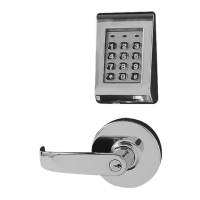
Surface Mount
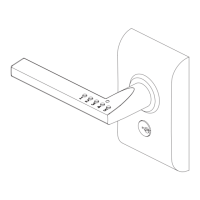
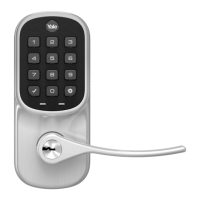
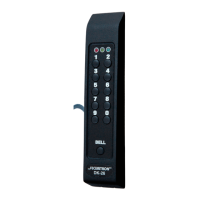
• Surface mounted keypads are often used in locking devices, or elevators.
• Mounting height is usually 48” to 58” from the oor to the center of the of the number
‘5’ on the touchpad. However, the nal location of the keypad may be affected by local
building codes.
• The choice of fasteners depends on the construction material of the wall.
Gooseneck Stand Mount
Gooseneck stands are commonly used for vehicle drive aisles. However, the gooseneck
stand can also be used near doors for wheelchair access or when sidewalks and
landscaping require a freestanding keypad mount away from the
building.
• The base plate of the gooseneck has a hole that accepts the conduit
(3/4” maximum) for wiring. Ensure the conduit is placed properly and
the wiring runs through the conduit before mounting the gooseneck
stand to the concrete base. The nal location of the gooseneck and
the mounting techniques may be affected by local building codes.
• As a precaution, the gooseneck should be protected with concrete



 To Next Page