Operation and Maintenance Manual
495B ML TM (S)
25
Last Updated - 08/31/2016
FLUID SPECIFICATIONS
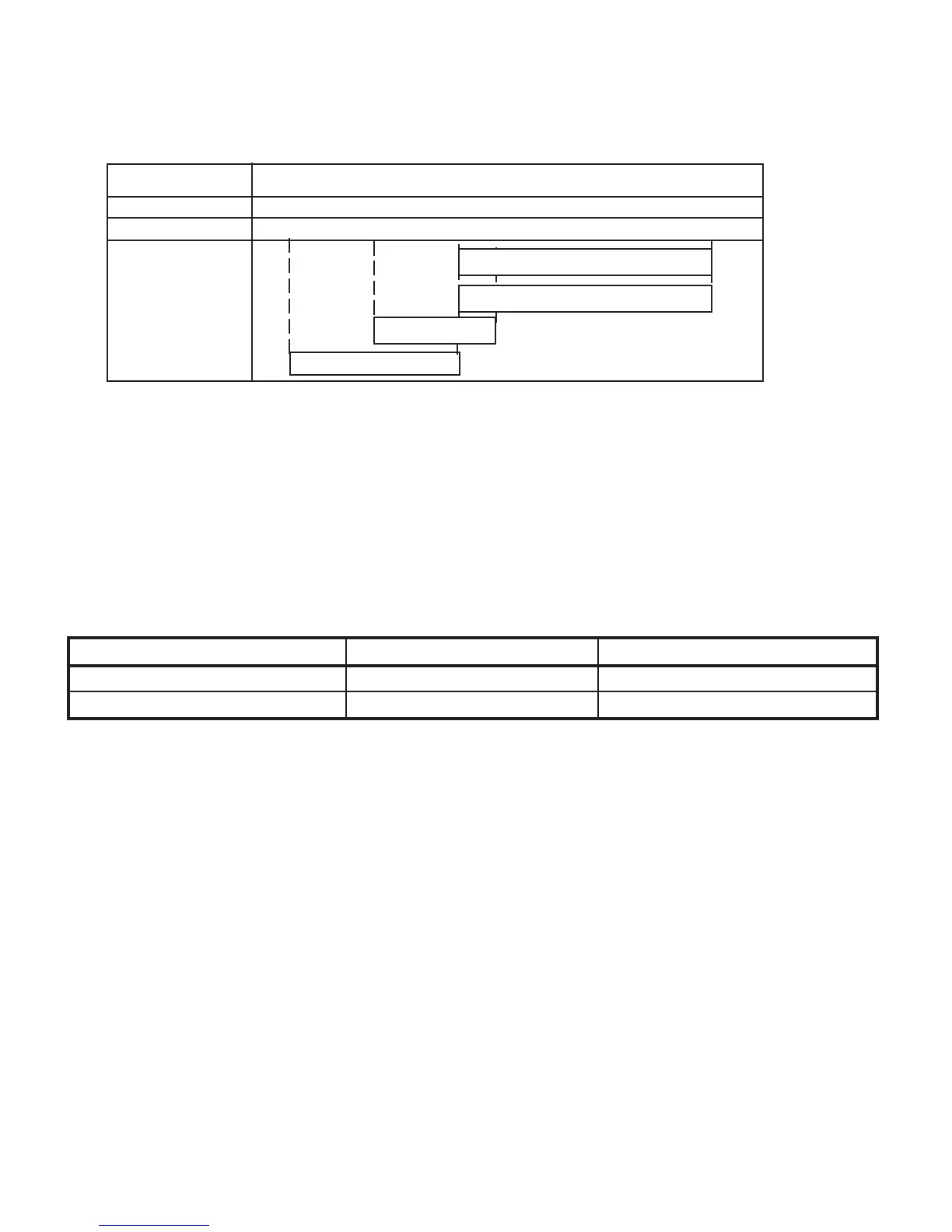
For operation in different temperatures, refer to the following chart for selection of hydraulic oil.
ISO Viscosity Grade
68
46 32° F. to 45° F.
ABOVE 45° F.
Below 32° F. ambient, consult the factory.
System Operating Temperature
190° F. Max.
Average Ambient Temp.
150° F. Max.
GREASE
Use grease shown on chart below, depending on the expected air temperature range.
AIR TEMPERATURE RANGE
Fahrenheit (F) -67 -40 -22 -4 14 32 50 68 86 104 122
Celsius (C) -55 -40 -30 -20 -10 0 10 20 30 40 50
NLGI O OR I
ARCTIC GREASE
HIGH TEMP. /EP
NLGI NO. 2
HYDRAULIC OIL
The following lists some features to look for in an oil. The hydraulic oil for the machine should feature:
- Rust resistant additives to prevent rust formation from moisture condensation.
- Anti-foaming agents to break up air bubbles and prevent "foaming" that may cause sluggish and erratic operation.
- High stability to resist oxidation and prevent varnish formation and deposits that foul systems.
- Anti-wearpropertiestopreventscufngandexccesivewearathighspeedsandhighpressures.
- Goodviscosityindexforeasyowatlowtemperatureswithoutthinningoutathightemp'safterhoursofuse.
ENGINE OIL
Refertothespecicationsintheenginemanufacturer'smanualsthataresuppliedwitheverynewmachine.
FUEL SPECIFICATIONS
Use grade no. 2-D fuel above 40 degrees F.
Use grade no. 1-D fuel below 40 degrees F.
Use grade no. 1-D fuel for all air temperatures at altitudes.
NOTE: Change the engine oil at one half the normal interval if fuel sulfur content exceeds 0.5%. Use fuel with
less than 1.0% sulfur. Use fuel with less than 0.5% sulfur if possible. Sediment and water should not
exceed0.10%formaximumlterlife.
The Cetane number should be 40 minimum. A fuel with a higher Cetane number may be required if operating the
machine where air temperatures are normally low or where altitudes are high. In cold weather operation, the cloud
point should be 10 degrees F. below lowest normal air temperatures.



 To Next Page