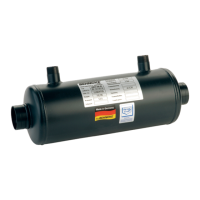
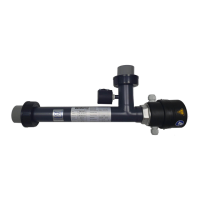
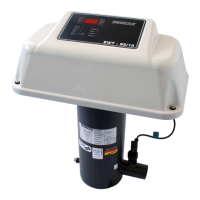
Water/water heat exchanger – QWT, WTI, SWT, SWT-T
01.07.2015
21
Maintenance/repair
7 Maintenance of the stainless steel
Instructions for long-life stainless steel
1. Keep the water in optimum clean condition at all times. Always follow the
manufacturer's instructions when adding chemicals (pH, chlorine concentration, salts,
etc.).
2. Never use disinfectants in the vicinity of stainless steel parts as these products are
bleaching agents and could cause stains on stainless steel.
3. Stainless steel will rust in contact with dust, salts, concrete, dirt and other materials
(particularly in contact with iron). Try to avoid such contacts.
4. When cleaning the pool (including the first time before filling the pool with water), it is
always recommended to remove the stainless steel items. This means that no cleaning
agent residues remain on the stainless steel parts. If it is not possible to remove the
stainless steel parts, these should be cleaned thoroughly afterwards with water.
5. In indoor swimming pools there is a higher concentration of corrosive chemical vapours.
For this reason, it is very important to carry out cleaning several times.
6. Where required, it is important to fit an earthing connection to the swimming pool to
achieve correct insulation and thus a longer service life of the stainless steel items.
7. In systems with hard water or heavy contamination, the stainless steel quality is
especially important.
Storage of stainless steel items
1. During the winter months it is advisable to follow the instructions below. Remove the
stainless steel articles and rinse thoroughly with water. Dry the parts and do not keep
with chemicals and dosing units.
2. If limescale or other stains appear on the stainless steel items, clean these using
stainless steel cleaner and polishing agent - Never scrub with abrasive materials. - Then
rinse thoroughly with soft water and allow to dry.



 To Next Page