6720850722 (2015/06)CS200
Installation | 5
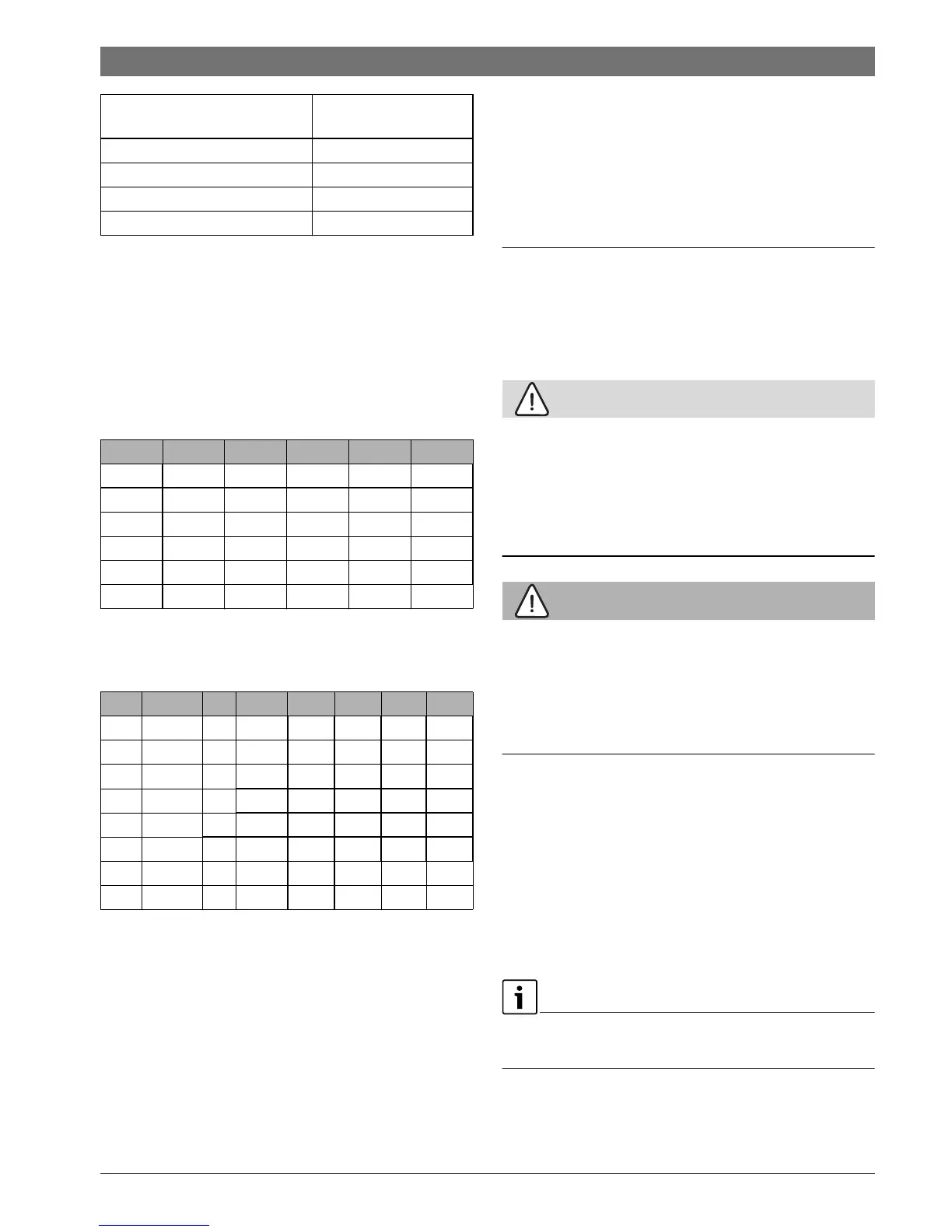
Table 2 Technical specifications
2.6 Temperature sensor characteristics
When measuring temperature sensors, observe the following
requirements:
• Isolate the system before measuring.
• Measure the resistance at the cable ends.
• The resistance values represent average values and are
subject to tolerances.
Table 3 Temperature sensor measurements (all temperature
sensors in solar system except collector temperature
sensors)
Table 4 Collector temperature sensor measurements
2.7 Additional accessories
For precise information regarding suitable accessories, refer to
the manufacturer's product literature.
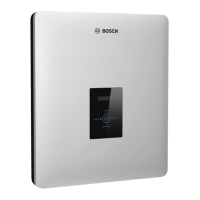
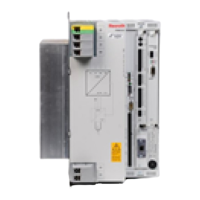
Function modules and user interfaces of the control system
EMS 2:
• MS 100: Module for solar system or freshwater station
• MS 200: Module for extended solar systems or transfer
system.
2.8 Disposal
▶ Dispose of packaging in an environmentally responsible
manner.
▶ When replacing assemblies or components, dispose of the
old assemblies or components in an environmentally
responsible manner.
3 Installation
The detailed system schematics for installation of the hydraulic
assemblies and components and the associated control
devices can be found in the technical guides or tender
specifications.
CAUTION:
Risk of injury through scalding!
If the DHW temperature is set to > 60 °C, discharging unmixed
domestic hot water can lead to serious scalding.
▶ Set the temperature for normal operation to < 60 °C.
▶ Do not discharge domestic hot water unmixed.
▶ Install a mixer.
WARNING:
Risk to life from electric shock!
Touching live parts can result in an electric shock.
▶ Before installing accessories: Disconnect the power supply
to the heat source, building management system and any
other BUS nodes (all poles) and secure against
unauthorised or accidental reconnection.
3.1 Types of installation
The installation of the solar controller depends on its use and
the solar heating system design ( Chapter 2, page 4).
3.2 Installation location of the solar controller
For direct and easily accessible operation we recommend the
installation of the solar controller in the living space.
3.3 Installation in the reference room
The installation surface on the wall must be flat.
▶ Install wall-mounting plate ( Fig. 3).
Rated power (excluding
illumination)
9 mA
BUS interface EMS 2
Permitted ambient temp. 0 °C to 50 °C
Protection class III
IP rating IP20
°C °C °C
20 14772 50 4608 80 1704
25 12000 55 3856 85 1464
30 9786 60 3243 90 1262
35 8047 65 2744 95 1093
40 6653 70 2332 100 950
45 5523 75 1990 – –
°C °C °C °C
– 30 364900 25 20000 80 2492 150 364
– 20 198400 30 16090 90 1816 160 290
– 10 112400 35 12800 95 1500 170 233
0 66050 40 10610 100 1344 180 189
5 50000 50 7166 110 1009 190 155
10 40030 60 4943 120 768 200 127
15 32000 70 3478 130 592 – –
20 25030 75 2900 140 461 – –



 To Next Page