26 27Instruction manual Ri7306 Instruction manual Ri7306Please keep this instruction manual for future reference Please keep this instruction manual for future reference
TO AVOID CONTAMINATION OF FOOD, PLEASE RESPECT THE
FOLLOWING INSTRUCTIONS:
› Opening the door for long periods can cause significant increase of the temperature in the
compartments of the appliance.
› Regularly clean surfaces that can come in contact with food accessible drainage systems.
› Store raw meat and fish in suitable containers in the refrigerator, so that it is not in contact
with or drips onto other food.
› Two -star frozen-food compartments are suitable for storing pre-frozen food, storing or
making ice cream and making ice cubes.
› One-, two- and three-star compartments are not suitable for freezing of fresh food.
› If the refrigerating appliance is left empty for long periods, switch off, defrost, clean, dry and
leave the door open to prevent mould developing within the appliance.
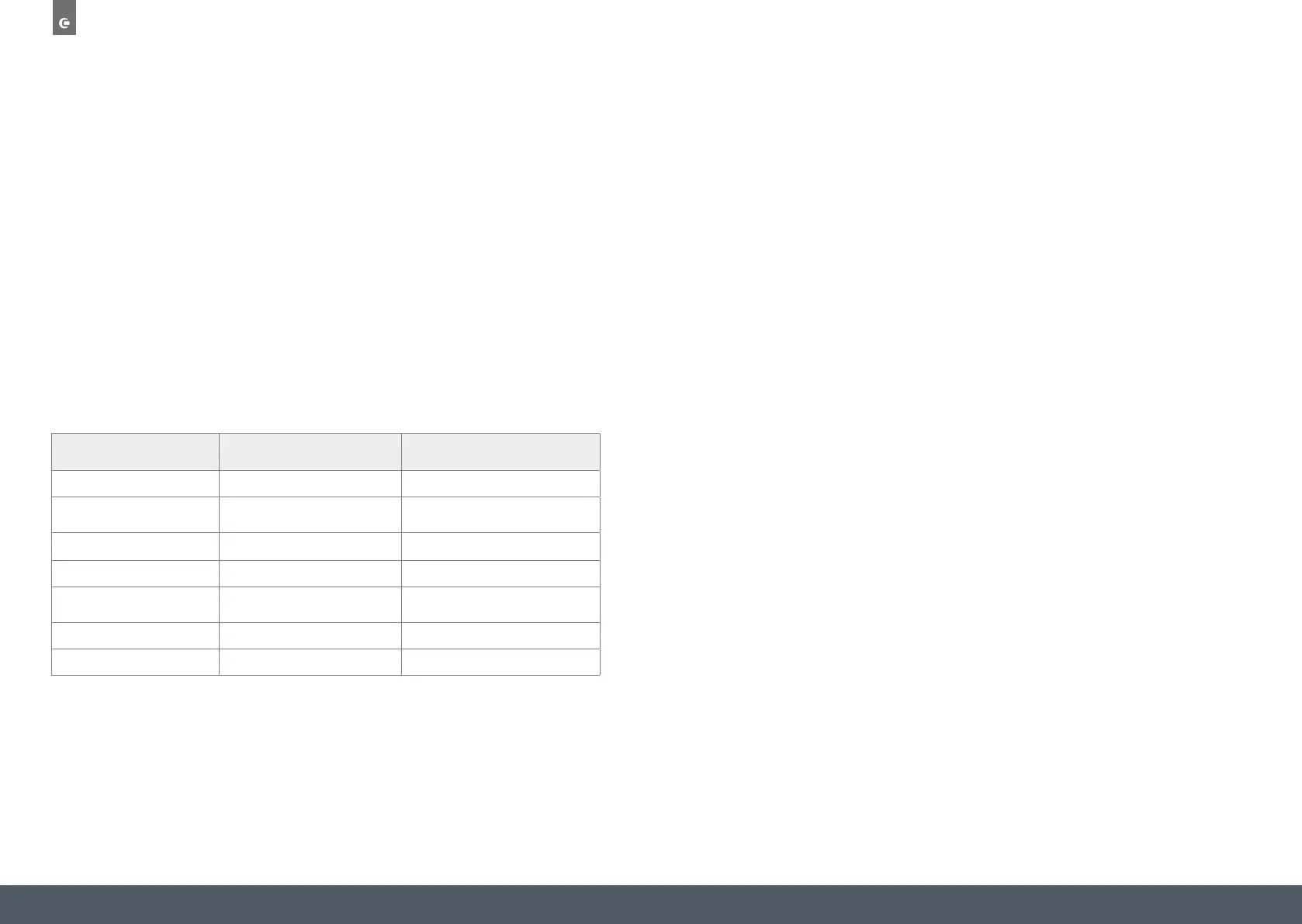
FOOD MAXIMUM STORAGE
TIME*
HOW AND WHERE
TO STORE
Vegetables and fruits 1 week Vegetable bin
Meat and fish 2 - 3 days
Wrap in plastic foil, bags, or in a meat
container and store on the glass shelf
Fresh cheese 3 - 4 days On the designated door shelf
Butter and margarine 1 week On the designated door shelf
Bottled products e.g. milk and
yoghurt
Until the expiry date recommended
by the producer
On the designated door shelf
Eggs 1 month On the designated egg tray
Cooked food 2 days All shelves
These are guidelines only, always refer to the expiry date, or best before date recommended by
the producer.
FREEZER COMPARTMENT
› The freezer is used for storing frozen food, freezing fresh food, and making ice cubes.
› To freeze fresh food, ensure that as much of the surface of the food as possible is in contact
with the cooling surface.
› Do not store fresh food next to frozen food as it can thaw the frozen food.
› Before freezing fresh food, divide it into portions that can be consumed in one sitting.
› Consume thawed frozen food within a short period of time after defrosting
› Never place warm food in the freezer compartment as it will thaw the frozen food.
› Always follow the manufacturer’s instructions on food packaging when storing frozen food.
If no information is provided food, should not be stored for more than 3 months from the
date of purchase.
› When purchasing frozen food, make sure that it has been stored under appropriate
conditions and that the packaging is not damaged.
› Frozen food should be transported in appropriate containers and placed in the freezer as
soon as possible.
› Do not purchase frozen food if the packaging shows signs of humidity band abnormal
swelling. It is probable that it has been stored at an unsuitable temperature and that the
contents have deteriorated.
› The storage life of frozen food depends on the room temperature, the thermostat setting,
how often the door is opened, the type of food, and the length of time required to transport
the product from the shop to your home. Always follow the instructions printed on the
packaging and never exceed the maximum storage life indicated.
› The maximum amount of fresh food (in kg) that can be frozen in 24 hours is indicated on
the appliance label.
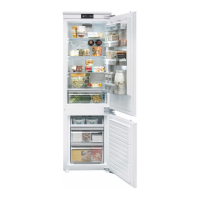
› To use the maximum capacity of the freezer compartment, use the glass shelves for the
upper and middle section, and use the lower basket for the bottom section.
NOTE:
If you attempt to open the freezer door immediately after closing it, you will find that it will not
open easily. This is normal. Once equilibrium has been reached, the door will
open easily.


 To Next Page