EasyManua.ls Logo

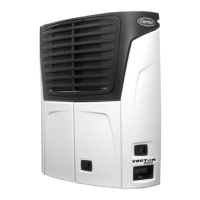
Carrier NEOS 100S - User Manual

Carrier NEOS 100S
68 pages
Print Icon
To Next Page IconTo Next Page
Loading...
Truck Refrigeration
OPERATION & SERVICE MANUAL
For The
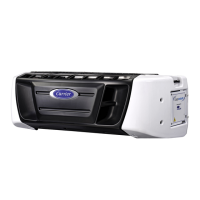
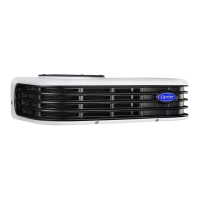
Neos™ 100S
Truck Refrigeration Units
62-11848 Rev B

Table of Contents

Other manuals for Carrier NEOS 100S

Questions and Answers

  • Y
    yromeroAug 14, 2025
    Why is there high discharge pressure in my Carrier Refrigerator?
    • B
      Brad KaufmanAug 14, 2025
      High discharge pressure in your Carrier Refrigerator can occur due to several reasons. The condenser coil might be dirty, requiring cleaning. There could be non-condensables in the system, which would need purging. An overcharge of refrigerant could also be the culprit, so check the refrigerant levels. Lastly, the condenser fan or motor might be defective, in which case you should replace the motor.
  • L
    levyryanAug 17, 2025
    What to do if my Carrier Refrigerator has low suction pressure?
    • M
      Margaret CaldwellAug 17, 2025
      Low suction pressure in your Carrier Refrigerator can arise from a few potential issues. The filter-drier might be partially plugged, requiring replacement. A low refrigerant charge could also be the cause, so it's advisable to check the refrigerant levels. Another possibility is a malfunction of the expansion valve, in which case you should replace it.
  • B
    Brandon JacksonAug 21, 2025
    Why is the low pressure switch open in my Carrier Refrigerator?
    • A
      Amy GallegosAug 21, 2025
      If the low-pressure switch is open in your Carrier Refrigerator, it could be due to several reasons: * The unit might be undercharged, so check refrigerant levels. * The liquid line filter-drier could be restricted, inspect and replace it if needed. * The TXV strainer might be plugged, clean or replace it. * There could be a TXV malfunction, replace the TXV in this case. * Ensure evaporator fans are operational, inspect them. * The switch itself might have failed, replace it.
  • L
    Larry KingAug 25, 2025
    What to do if the high pressure switch is open on my Carrier Refrigerator?
    • D
      Dale PriceAug 25, 2025
      If the high-pressure switch is open on your Carrier Refrigerator, there are a few possible causes. The unit may be overcharged, so you should check the refrigerant levels. There might also be non-condensables in the system, which would require purging. Finally, the switch itself could be faulty, necessitating replacement.
  • C
    Christina TurnerAug 27, 2025
    How to troubleshoot a Carrier Refrigerator compressor?
    • C
      Casey RogersAug 27, 2025
      Several issues can cause problems with the compressor in your Carrier Refrigerator. Loose mounting bolts can cause compressor malfunction, so tighten them. Worn bearings or worn or broken valves can also cause problems, so replace them if needed. Liquid slugging can cause the compressor to malfunction, so inspect for and resolve liquid slugging. Insufficient oil may be the cause, so check oil levels.
  • B
    brenda82Aug 30, 2025
    Why won't the automatic defrost initiate on my Carrier Refrigerator?
    • G
      Gary RomeroAug 30, 2025
      If the automatic defrost is not initiating on your Carrier Refrigerator, it could be due to a few reasons. The defrost thermostat (DTT) might be open or defective, in which case it should be replaced. A hot gas solenoid valve malfunction could also be the cause, so replace it. Additionally, defrost might be disabled through cab command, so enable it through cab command.
  • J
    Joshua GallegosSep 3, 2025
    What to do if the Electrical Motor PTO is open in my Carrier Refrigerator?
    • Q
      qskinnerSep 3, 2025
      If the Electrical Motor PTO is open in your Carrier Refrigerator, it could be due to the electrical motor overheating, in this case verify wiring to motor overload. Also check electrical motor brush condition, replace if necessary. If this doesn't help, replace the electric motor.
  • J
    Julie WalkerSep 6, 2025
    Why does my Carrier Refrigerator not terminate or cycle on defrost?
    • W
      William MillerSep 6, 2025
      If your Carrier Refrigerator does not terminate or cycles on defrost, the defrost thermostats (DTT) might be shorted closed. If this is the case, replace them.
  • K
    Krista BurkeSep 9, 2025
    What to do if there is Evaporator Temperature Sensor Failure in Carrier Refrigerator?
    • E
      Edward PaulSep 9, 2025
      If you are experiencing an Evaporator Temperature Sensor Failure in your Carrier Refrigerator, the return air sensor might be defective, in this case, replace it.

Summary

Safety Summary

General Safety Notices

General safety notices and recommended precautions for operation and maintenance.

First Aid Procedures

Immediate actions for refrigerant inhalation or skin/eye contact.

Operating Precautions

Safety guidelines for operating the refrigeration unit.

Maintenance Precautions

Safety measures to follow before and during maintenance.

Refrigerant Handling

Information on refrigerant properties, hazards, and safe handling practices.

Specific Warning and Caution Statements

Explanation of hazard labels and their consequences.

Unit Description

General Description

Overview of the Neos 100S unit and its main components.

System Controls and Components

Description of the microprocessor control system and its interfaces.

Unit Specifications

Detailed technical specifications for the unit.

Safety Devices

List of safety devices and their functions in protecting the system.

Refrigeration Circuit

Explanation of the cooling and heating/defrost cycles.

Operation Guide

Standby Mode

Procedures for safe operation when the unit is in standby.

Control System Overview

Details on the microprocessor and Cab Command interface.

Starting Up the Unit

Instructions for inspecting and starting the refrigeration unit.

Setpoint Adjustment

Procedure for adjusting the desired temperature setpoint.

Alarm Display and Codes

Information on interpreting alarm messages and codes.

Microprocessor Configuration

Procedure for configuring unit parameters.

Control Logic and Temperature Control

Sequence of Operation

General operating sequences for cooling, null, and heating modes.

Defrost Cycle

Explanation of the defrost cycle initiation and operation.

Service Procedures

Maintenance Schedule

Recommended scheduled maintenance intervals and categories.

Installing Manifold Gauge Set

Instructions for preparing and connecting a manifold gauge set.

Refrigerant Leak Checking

Procedure for checking the system for refrigerant leaks.

Evacuation and Dehydration

Steps for evacuating and dehydrating the refrigeration system.

Charging the Refrigeration System

Procedures for checking and installing refrigerant charge.

Filter-Drier Service

Checking and replacing the filter-drier.

Pressure Switch Service

Service for high and condenser pressure switches.

Valve Service

Service for hot gas, condenser pressure control, and quench valves.

Compressor Pressure Regulating Valve Adjustment

Procedure for adjusting the CPR valve.

Thermostatic Expansion Valve Service

Procedures for replacing and measuring superheat for TXV.

Troubleshooting Guide

Refrigeration Issues

Diagnosing common refrigeration problems like no cooling or insufficient cooling.

Heating and Defrost Malfunctions

Troubleshooting issues related to heating and defrost cycles.

Abnormal Pressure and Noise

Diagnosing problems related to abnormal system pressures or noises.

Control System Malfunctions

Troubleshooting issues with the Cab Command or microprocessor.

Air Flow Problems

Diagnosing issues with evaporator air flow or restrictions.

Expansion Valve Malfunctions

Troubleshooting issues related to the expansion valve.

Valve Operation Malfunctions

Troubleshooting issues with solenoid and control valves.

Wiring Diagrams

Introduction to Wiring Diagrams

Overview of the wiring diagrams section.

Carrier NEOS 100S Specifications

General IconGeneral
TypeSingle Door
Star Rating3 Star
ColorSilver
RefrigerantR600a
Capacity100 L

Related product manuals