Page 13For technical questions, please call 1-800-444-3353.Item 47016
67181
NOTICE
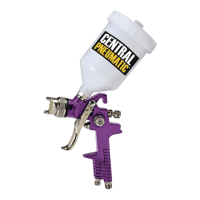
Clean the Spray Gun IMMEDIATELY after use.
Delayed or inadequate cleaning will permanently clog the Spray Gun.
5. Remove Nozzle and soak it in solvent
until it is clean. Use old toothbrush
and toothpicks to remove any paint.
CAUTION: Do not immerse Spray Gun.
Note: Do not use metal objects to clean the
Nozzle to prevent damage to the passages.
6. Inspect fluid needle and make sure
it is not bent. If it is bent, have it
replaced by a qualified technician.
7. Use appropriate solvent
(see Solvent Selection, left)
to wipe down Spray Gun body.
8. Lubricate Spray Gun after cleaning.
A non-silicon oil or a light lubricant may be
used on threaded connections before storing.
Solution Disposal
After cleaning, dispose of cleaning solution
according to the solution manufacturer’s
directions and local hazardous waste standards.
Air Supply Maintenance
Every day, perform maintenance on the air supply according
to the component manufacturers’ instructions.
Storage
Store in a dry, secure area out of reach of children.
General Troubleshooting Chart
Problem Possible Causes Likely Solutions
Sputtering Spray 1. Low paint level.
2. Cup tipped.
3. Clogged Air Vent.
4. Loose fluid inlet connection.
5. Loose/damaged fluid tip/seat.
1. Refill.
2. Hold upright.
3. Clean Air Vent hole.
4. Tighten fluid inlet connection.
5. Adjust or replace fluid tip.
Will Not Spray 1. No pressure at Spray Gun.
2. Fluid Knob not open enough.
3. Fluid too thick.
1. Check air hoses.
2. Open Fluid Knob.
3. Thin fluid or increase air pressure.
(Do not exceed maximum.)
Overspray
(Paint drifting
to unintended
objects.)
1. Improper application speed.
2. Improper distance from workpiece.
3. Too much air pressure.
1. Move moderately and parallel.
2. Adjust distance.
3. Reduce air pressure.
Fluid Tip
Leakage
1. Dirty tip.
2. Broken fluid needle spring.
3. Worn or damaged tip.
1. Clean tip.
2. Replace fluid needle spring.
3. Replace tip and/or needle.
Follow all safety precautions whenever diagnosing or servicing the tool.
Disconnect air supply before service.
SAFETYOPERATIONMAINTENANCE SETUP



 To Next Page