EasyManua.ls Logo

Central Pneumatic 65173 - User Manual

Central Pneumatic 65173
16 pages
Print Icon
To Next Page IconTo Next Page
Loading...
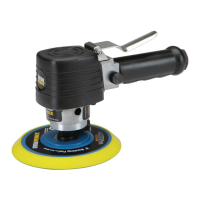
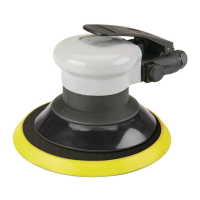
6" COMPOSITE PALM GRIP
RANDOM ORBITAL SANDER
65173
SET UP AND OPERATING INSTRUCTIONS
Visit our website at: http://www.harborfreight.com
Read this material before using this product.
Failure to do so can result in serious injury.
SAVE THIS MANUAL.
Copyright
©
2008 by Harbor Freight Tools
®
. All rights reserved. No portion of this manual or any artwork
contained herein may be reproduced in any shape or form without the express written consent of
Harbor Freight Tools. Diagrams within this manual may not be drawn proportionally. Due to continuing
improvements, actual product may differ slightly from the product described herein. Tools required for
assembly and service may not be included.
For technical questions or replacement parts, please call 1-800-444-3353.

Questions and Answers

  • T
    Travis YoungJul 31, 2025
    What to do if my Central Pneumatic 65173 has decreased output?
    • L
      Lisa RasmussenJul 31, 2025
      If your Central Pneumatic Sander experiences decreased output, there are several potential causes to investigate. First, check for loose connections and ensure your air supply provides sufficient airflow (CFM) at the required pressure (PSI), not exceeding 90 PSI. Next, make sure that the trigger moves freely. Insufficient lubrication can also be the issue; lubricate the tool with air tool oil and grease as directed. Clean the air inlet screen to remove any buildup. Ensure the housing is properly assembled and tight. If these steps don't resolve the issue, a qualified technician should clean and lubricate the internal mechanism, and you may need to install an in-line filter in your air supply. Also, consider removing, washing, or replacing the filter.
  • D
    Denise AndersonAug 9, 2025
    Why is my Central Pneumatic 65173 housing heating up during use?
    • M
      Michele WilsonAug 10, 2025
      If the housing of your Central Pneumatic Sander heats up during use, it could be due to incorrect or insufficient lubrication. Make sure to lubricate the tool with air tool oil and grease according to the directions. Another potential cause is worn parts, in which case a qualified technician should inspect the internal mechanism and replace parts as needed.
  • L
    Lauren GarrettAug 20, 2025
    What to do if my Central Pneumatic 65173 has severe air leakage?
    • W
      William WoodAug 20, 2025
      If your Central Pneumatic Sander has severe air leakage (note that slight leakage is normal, especially in older tools), it could be due to several reasons. Check for cross-threaded housing components, looking for incorrect alignment and uneven gaps. If cross-threading is present, disassemble and replace the damaged parts before using the tool. Also, ensure the housing is tightened properly. If the housing cannot be tightened properly, the internal parts may be misaligned. Damaged valves or housing components can also cause air leakage, and these components should be replaced if damaged.

Summary

Important Safety Instructions

Safety Alert Symbol and Signal Words

Explains safety symbols and signal words used in the manual and on the product.

General Safety Precautions

General safety precautions for using the tool safely.

Work Area Safety Guidelines

Guidelines for maintaining a safe and appropriate work environment.

Personal Safety Measures

Essential safety measures for the operator's personal well-being.

Tool Use and Care Guidelines

Proper techniques and advice for using and maintaining the tool.

Tool Service and Repair

Guidelines for servicing and repairing the tool.

Air Source Requirements

Guidance on connecting the tool to a suitable compressed air source.

Symbols and Specific Safety Instructions

Symbol Definitions

Defines various symbols and their meanings related to safety.

Specific Safety Guidelines

Detailed safety instructions for specific situations and hazards.

Vibration Precautions

Health Advice for Vibrating Tool Users

Recommendations to minimize health risks associated with tool vibration exposure.

Functional Description

Tool Specifications

Technical specifications of the sander, including pressure, speed, and consumption.

Components and Controls Overview

Identifies and explains the different parts and controls of the tool.

Initial Tool Set Up;Assembly

Unpacking and Inspection

Instructions for checking the tool upon delivery and ensuring it's undamaged.

Air Supply Connection

Guidance on connecting the tool to a suitable compressed air source.

Operating Instructions

Tool Setup Procedures

Steps required to prepare the tool for operation.

Work Piece and Area Preparation

How to prepare the material and environment for sanding.

General Operating Procedures

Step-by-step guide on how to use the sander effectively and safely.

User-Maintenance Instructions

Cleaning, Maintenance, and Lubrication

Procedures for keeping the tool in good working condition.

Troubleshooting

Diagnosing Decreased Output

Addresses issues related to the tool's reduced performance and output.

Addressing Housing Overheating

Explains potential causes and solutions for the tool overheating.

Resolving Severe Air Leakage

Discusses common causes of significant air leaks and their remedies.

Assembly Diagram

90 Day Warranty

Central Pneumatic 65173 Specifications

General IconGeneral
Disc Diameter6 inches
Pad TypeHook and Loop
Average Air Pressure90 PSI
Pad Size6 inches
TypeRandom Orbital Sander
Orbit Diameter3/16 inches
Air Inlet1/4 inch NPT
Hose Size3/8 inches

Related product manuals