24
ELECTRICAL SYSTEMS
The electrical system consists of a primary 12-volt
DC system and a 120-volt AC system. The 12-volt
system uses battery power similar to that used in
automobiles. The 120-volt system requires a source
of 120-volt power provided through the power
supply cord.
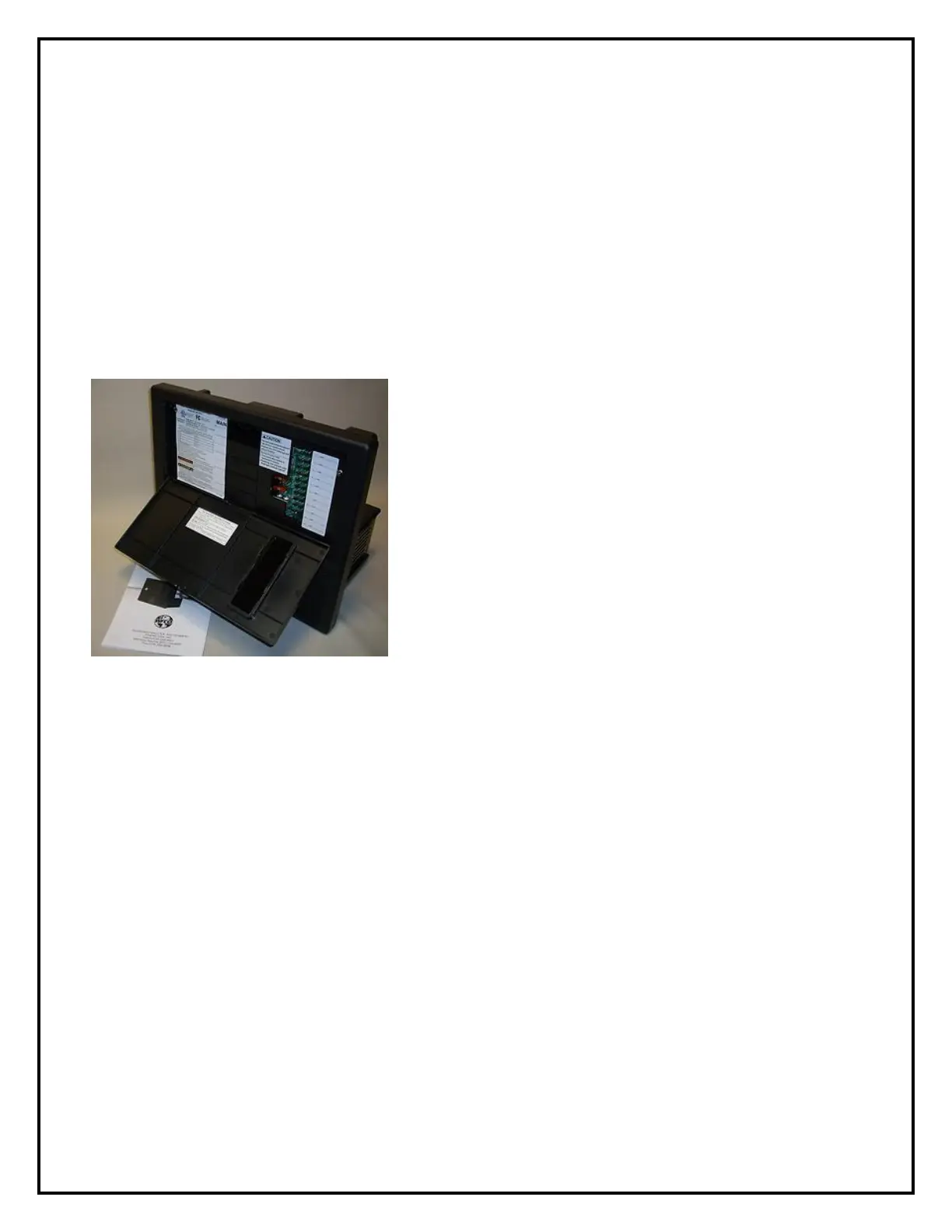
These systems are connected through a power
converter. When connected to 120-volt power, the
converter transforms 120-volt AC input into 12-volt
DC power output and charges the storage battery(s)
when installed.
12-VOLT DC SYSTEM
The 12-volt system provides power for the
following components:
• Interior Lighting
• Exterior Lighting
• Water Pump
• Furnace Blower
• Refrigerator
• Water Heater Ignition
• Stereo/CD/DVD Player
• Fantastic Fan
• Power Vent
• Accessories plugged into 12-volt outlet
BATTERY
Maintenance of your 12-volt battery(s) is essential
for carefree travel. Be sure to use a heavy-duty,
minimum 95 amp/hr. (160 RC), RV/Marine deep
cycle battery. Certain models can accommodate two
batteries. Ensure that they are both the same size and
type battery. Check the battery(s) frequently with
the condition meter located on the monitor panel.
Also check the water level often. The use of a
hydrometer is required to test for the specific gravity
of the battery acid. Hydrometers are available
through an auto parts store.
NOTE: The 12-volt battery(s) is not supplied with
the RV by the manufacturer.
The battery(s) must be securely strapped at all times.
The battery(s) is charged by the trailers charging
system while the tow vehicle is running or when
connected to 120-volt power through the power
converter.
Check that the battery liquid level is correct (weekly
in warm climate, monthly in cold climate). Don’t
forget to also check the condition of your truck
battery. Add distilled water as required. Clean
battery terminals and cables periodically with a wire
brush and baking soda. Be sure the caps are securely
in place when cleaning. Ensure that the wing nuts on
top of the battery are tight. Loose wing nuts can
cause arcing and intermittent or loss of 12-volt
power. Use caution not to touch battery terminals to
metal doorframe when removing or installing the
battery. Always disconnect the negative (-) cable
first and reconnect it last.
Remove rings, metal watchbands, and other metal
jewelry before working around a battery. Use
caution when using metal tools. If the tool contacts
the battery terminals or metal connected to them, a
short circuit could occur which could cause personal
injury or fire.
Do not allow battery electrolyte to contact skin,
eyes, fabrics or painted surfaces. The electrolyte is
a sulfuric acid solution that could cause serious
personal injury or property damage. Wear eye
protection when working with batteries.
BATTERY CHARGING
Normally the battery(s) will be kept charged by
either the trailers charging system while on the road,
or by the AC/DC power converter when plugged
into AC service. On those occasions when the
battery needs to be charged from a different
charging source, please follow these safety
guidelines: Disconnect both cables to prevent
damage to the trailer’s electrical system. Do not
smoke near batteries being charged or which have
been recently charged. Please note that batteries are
being charged while you drive, and while you are


 To Next Page