17
4. MEASURE THE PIPE AND SELECT THE PROPER PLUG
AND RELATED EQUIPMENT.
EVERY PIPELINE PLUG HAS A MINIMUM AND MAXIMUM SEALING
SIZE RANGE AND A MAXIMUM ALLOWABLE BACK PRESSURE
RATING. The allowable sealing size usage range and maximum allowable
back pressure are outlined in the data section of this manual, Cherne
catalogs and specication sheets. Nominal plug size is clearly marked on the
product. However, certain types and classes of pipe may have actual inside
diameters that vary considerably from nominal diameters and may, therefore,
be larger or smaller than the plug’s sealing size usage range.
MEASURE THE INSIDE DIAMETER OF THE PIPE.
VERIFY THE
DIAMETER IS WITHIN THE PLUG’S RECOMMENDED SEALING SIZE
USAGE RANGE. NEVER EXCEED MAXIMUM ALLOWABLE BACK
PRESSURE. VERIFY THAT THE PROJECTED BACK PRESSURE IS
WITHIN THE PLUG’S MAXIMUM ALLOWABLE BACK PRESSURE
RATING.
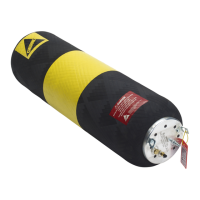
PNEUMATIC PLUGS ARE ONLY RECOMMENDED FOR TEMPORARY
SEALING.
Pneumatic pipeline plugs are to be used only for the few hours
that are necessary to perform a task! If a pneumatic plug must be used
for extended periods, the ination pressure must be CHECKED AND
ADJUSTED (IF NECESSARY) EVERY FOUR HOURS. Over time, a small
volume of air will leak through the elastomeric (rubber) body of every
pneumatic plug. The lost air must be replaced or under-ination may result
allowing the plug and any media restrained to dislodge from the pipe. A
regulated pressure source may be permanently attached to the plug’s
ination inlet port as an alternative to periodically checking and adjusting the
ination pressure. Consult with a registered professional engineer for the
construction and maintenance of such a pressure regulated ination source
(refer to description of panel and warnings in Section 12 of this manual if you
are constructing a regulated pressure source). For long term or permanent
usage, a Cherne mechanical plug is recommended. Call Cherne toll free at
1-800-843-7584 for recommendations.
PNEUMATIC PLUGS VERSUS MECHANICAL PLUGS.
Pneumatic plugs
have many advantages over mechanical plugs. They normally have a much
wider sealing range than mechanical plugs. Some pneumatic plugs may
even be used in multiple sizes of pipes. Pneumatic plugs easily seal minor
imperfections in pipe and can seal non-circular pipe shapes. Pneumatic
plugs normally have a long contact area with the pipe which minimizes
leakage in rough or porous pipe. They also can be inated and deated from
a remote location out of the Danger Zone and can be positioned in many
areas that are not accessible to mechanical plug use. Mechanical plugs
have the advantage of not relying on ination pressure to provide proper
sealing and are a better choice for long term or permanent usage. When the
plugging application requires a minimum sealing length, a narrow mechanical
plug may be the only viable option, as proper installation of a long pneumatic
plug may not be possible. Mechanical plugs generally have a much shorter
sealing length requirement.


 To Next Page