CLIMATEMASTER WATER-SOURCE HEAT PUMPS
Tranquility
®
20 (TS) Series
Rev.: June 5, 2020
ClimateMaster Water-Source Heat Pumps
18
Ground-Water Heat Pump Applications, Cont’d.
Flow Regulation - Flow regulation can be accomplished
by two methods. One method of ow regulation involves
simply adjusting the ball valve or water control valve on
the discharge line. Measure the pressure drop through the
unit heat exchanger, and determine ow rate from Table
9. Since the pressure is constantly varying, two pressure
gauges may be needed. Adjust the valve until the desired
ow of 1.5 to 2 gpm per ton [2.0 to 2.6 l/m per kW] is
achieved. A second method of ow control requires a ow
control device mounted on the outlet of the water control
valve. The device is typically a brass tting with an orice
of rubber or plastic material that is designed to allow a
specied ow rate. On occasion, ow control devices may
produce velocity noise that can be reduced by applying
some back pressure from the ball valve located on the
discharge line. Slightly closing the valve will spread the
pressure drop over both devices, lessening the velocity
noise.
Note: When EWT is below 50°F [10°C], 2 gpm per ton
(2.6 l/m per kW) is required.
Water Coil Low Temperature Limit Setting - For all
open loop systems the 30°F [-1.1°C] LT1 setting (factory
setting-water) should be used to avoid freeze damage to
the unit. See “Low Water Temperature Cutout Selection”
in this manual for details on the low limit setting.
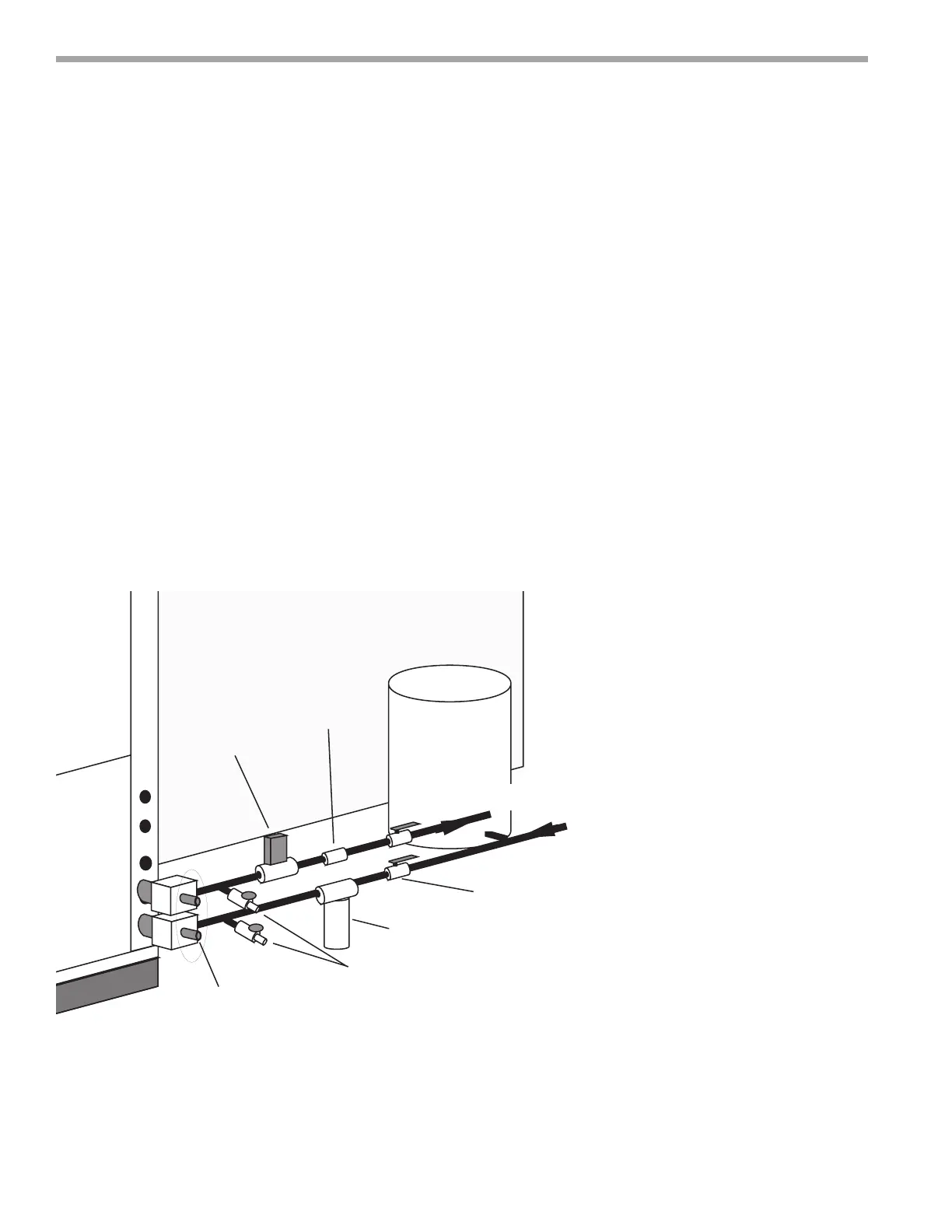
Figure 14: Typical Open Loop/Well Application
Tanque de
Presión
Válvula
de Retención
Drenajes
de Caldera
Regulador
de Flujo
Entrada
de Agua
Salida de Agua
Válvula
Filtro
Opcional
Tapones P/T
Vibration
Isolation Pad
Unit Power
Disconnect
High and low
voltage
knockouts
Pressure
Tank
Shut-Off
Va lve
Boiler
Drains
Flow
Regulator
Water In
Water Out
Water
Control
Va lve
Optional
Filter
P/T Plugs



 To Next Page