25
OM.MC.20160506
When safety instructions are followed, most of the risks associated with the
i
3
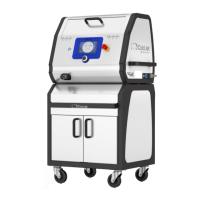
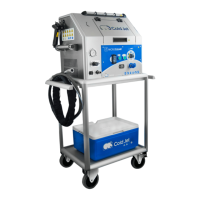
MicroClean are mitigated. However, the operator should be aware that a few
residual risks remain.
1. Carbon Dioxide
CO
2
is an asphyxiant gas, which displaces the oxygen in the air. When the
carbon dioxide levels are not monitored, there is a risk of exposure to high
concentrations of CO
2
. Exposure to high concentrations of carbon dioxide can
result in shortness of breath, headaches, dizziness, increased heart rate, impaired
hearing, nausea, loss of consciousness or, in extreme cases, death. Always use a
CO
2
monitoring device when using the i
3
MicroClean in a confined space.
Solid CO
2
is extremely cold (-109 °F/-78 °C). This presents a risk to the operator,
as direct contact with skin or eyes quickly causes tissue damage. Always protect
skin from direct contact with CO
2
pellets, nuggets or slices.
2. Shaver Blades
The blades used to shave dry ice blocks are sharp and present a danger to the
operator. If the proper safety equipment is not used, there is a risk of injury.
Operators should always wear hand protection.
3. Noise Emissions
When the proper safety precautions are not followed, prolonged exposure
to the noise emitted by the i
3
MicroClean can cause damage. Long-term
exposure to loud noises can result in loss of hearing or tinnitus. Always wear ear
protection.
4. Pressurized Air
Operating the i
3
MicroClean requires the use of pressurized air, resulting in the
risk of hoses bursting or fittings failing. Always be alert when operating the
machinery. If a failure does occur, be sure to turn off the air at the source.
Never hold the air stream directly against skin. This could result in an air
embolism, which is often fatal.
5. Static Electricity
Static electricity can interfere with the proper functioning of a pacemaker.
Even when grounding or bonding procedures are followed, static electricity can
present a danger to the operator. To reduce this risk, always follow grounding or
bonding instructions.
APPENDIX C: RESIDUAL RISKS


 To Next Page