If you have set up a screen lock, you will be prompted to unlock your phone. See “Screen lock” on page <OV> for details.
The following topics describe how to use and customize your phone’s home screen, understand the Status bar, and use
the Notification panel.
Home screen basics
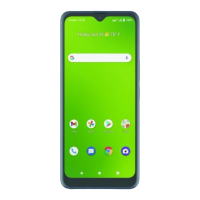
The Home screen is the starting point for your phone’s applications, functions, and menus. You can customize your Home
screen by adding application icons, shortcuts, folders, and more.
Home screen layout
Your Home screen extends beyond the initial screen. Swipe right to display additional screens.
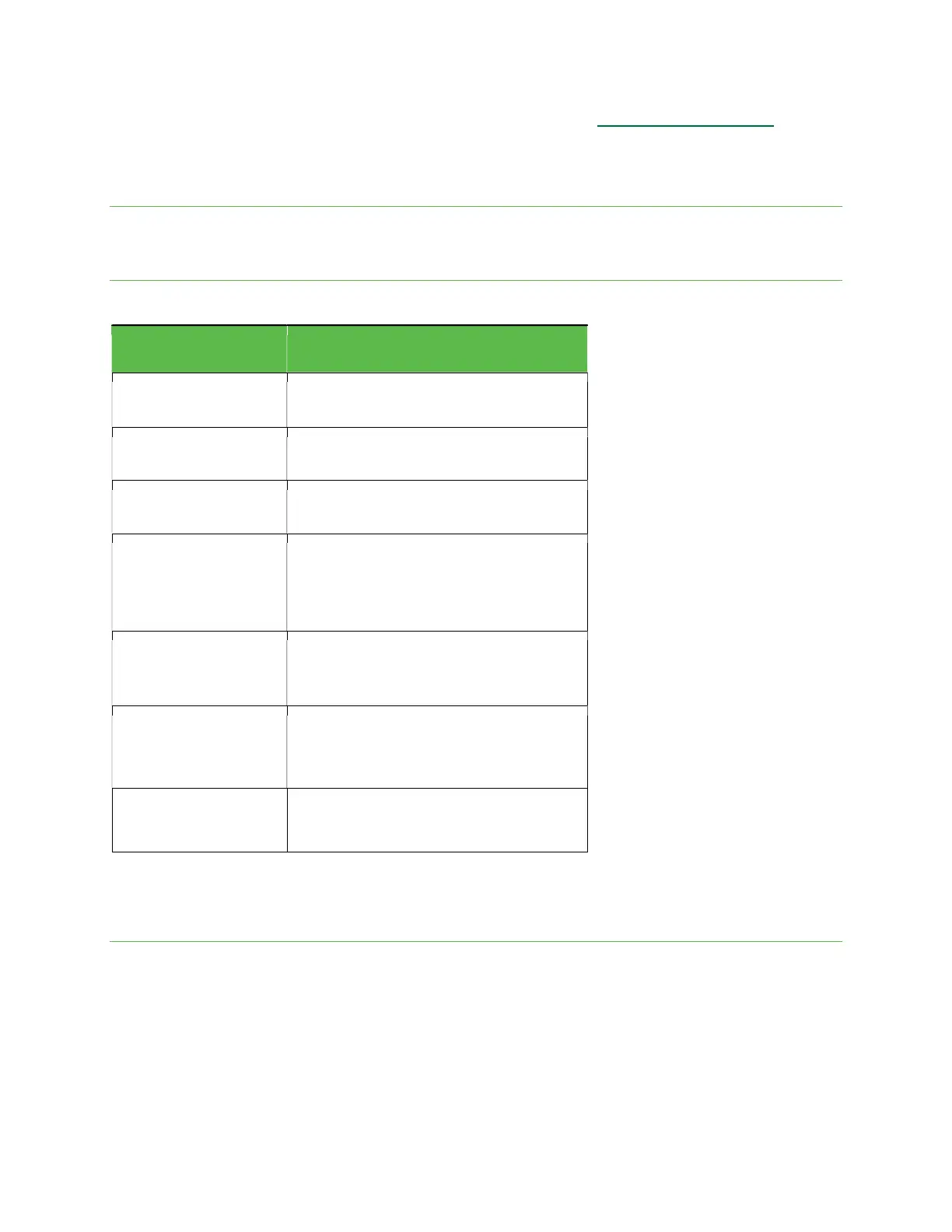
Item
Description
App icons
Add shortcuts to your favorite apps to the Home
screen.
Back button Tap to return to the previous screen.
Home button Tap to display the main Home screen.
Notification area
View notifications for incoming messages,
missed calls, application updates, and more.
Drag the Status bar down to display the
Notification panel.
Recent Apps button
Tap to display a list of recently used apps.
Double tap to swap between your last two used
apps.
Status area
View phone and service status information such
as signal strength, battery status, Wi-Fi and data
connectivity, ringer status, and time.
Status bar
Icons indicate your phone’s status (on the right
side) and notifications (on the left side).
Extended home screens
In addition to the main Home screen, your phone features extended Home screens to provide more space for adding
icons, and more. Press the Home button to display the main Home screen, then swipe to the right to move from the main
screen to an extended screen.
To add a new Home screen, drag an app icon to the right edge of the main screen and release the icon. A new
extended screen will be added.
Tip: While on an extended screen, press the Home button to return to the main Home screen.


 To Next Page