EasyManua.ls Logo

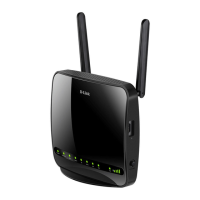
D-Link DWR-M921 - User Manual

D-Link DWR-M921
4 pages
Print Icon
To Next Page IconTo Next Page
Loading...
D-Link DWR-M921
You can apply this procedure on computer, PlayStation, XBOX, Nintendo and any other gaming device
PlayStation 4
In order to solve your PS4 problem please follow the below steps
Step 1: Firstly navigate to the settings menu on your PS4
Step 2: Next select Network
Step 3: You need to select “set up internet connection”
Step 4: You need to select “custom”
Step 5: You need now to select the method in which your PS4 connects to the internet
Step 6: Make sure to set your IP address manually
Step 7: Enter the desired IP address that you would like to use for your PlayStation®4.
IP Address: 192.168.0.50
Subnet Mask: 255.255.255.0
Default Router: 192.168.0.1 (IP Address of your router)
Primary DNS: 193.227.177.130
Secondary DNS: 194.126.16.38
Step 8: In MTU Settings, select automatic.
Step 9: In Proxy servers , select Do Not Use
Step 10: Select TEST Internet Connection.
Step 11: Connect a device to your D-Link router (using cable / WIFI)
Step 12: In your browser enter the address 192.168.0.1
Step 13: You will be prompted to enter Username: admin and Password: admin
Step 14: Click Features then Firewall
Step 15: Go to Advanced and enable DMZ then type 192.168.0.50 in DMZ Host IP Address
Step 16: Click Save & Apply

Other manuals for D-Link DWR-M921

Question and Answer IconNeed help?

Do you have a question about the D-Link DWR-M921 and is the answer not in the manual?

Summary

PlayStation 4 Network Configuration

Configure PS4 IP Settings

Manually set IP, Subnet Mask, Router, and DNS addresses on PS4 network settings.

Test PS4 Internet Connection

Perform a test of the internet connection on the PlayStation 4.

Enable DMZ for PS4 on Router

Access router, enable DMZ, and set PS4 IP as DMZ host for improved connectivity.

Reboot PS4 After Configuration

Reboot your PS4 to apply changes and resolve potential NAT type issues.

PlayStation 3 Network Configuration

Configure PS3 IP Settings

Manually set IP, Subnet Mask, Router, and DNS addresses on PS3 network settings.

Disable UPnP on PS3

Disable Universal Plug and Play (UPnP) in PS3 network settings.

Enable DMZ for PS3 on Router

Access router, enable DMZ, and set PS3 IP as DMZ host for improved connectivity.

Reboot PS3 After Configuration

Reboot your PS3 to apply settings and resolve potential NAT type problems.

Computer Network Configuration

Configure PC IP Settings

Manually set IP, Subnet Mask, Router, and DNS addresses on PC network adapter properties.

Enable DMZ for PC on Router

Access router, enable DMZ, and set PC IP as DMZ host for improved connectivity.

Reboot Computer After Configuration

Reboot your computer to apply changes and resolve gaming problems.

Summary

PlayStation 4 Network Configuration

Configure PS4 IP Settings

Manually set IP, Subnet Mask, Router, and DNS addresses on PS4 network settings.

Test PS4 Internet Connection

Perform a test of the internet connection on the PlayStation 4.

Enable DMZ for PS4 on Router

Access router, enable DMZ, and set PS4 IP as DMZ host for improved connectivity.

Reboot PS4 After Configuration

Reboot your PS4 to apply changes and resolve potential NAT type issues.

PlayStation 3 Network Configuration

Configure PS3 IP Settings

Manually set IP, Subnet Mask, Router, and DNS addresses on PS3 network settings.

Disable UPnP on PS3

Disable Universal Plug and Play (UPnP) in PS3 network settings.

Enable DMZ for PS3 on Router

Access router, enable DMZ, and set PS3 IP as DMZ host for improved connectivity.

Reboot PS3 After Configuration

Reboot your PS3 to apply settings and resolve potential NAT type problems.

Computer Network Configuration

Configure PC IP Settings

Manually set IP, Subnet Mask, Router, and DNS addresses on PC network adapter properties.

Enable DMZ for PC on Router

Access router, enable DMZ, and set PC IP as DMZ host for improved connectivity.

Reboot Computer After Configuration

Reboot your computer to apply changes and resolve gaming problems.

Overview

The provided manual outlines a comprehensive procedure for optimizing network settings on a D-Link DWR-M921 router to enhance gaming performance across various platforms, including PlayStation 4, PlayStation 3, and desktop/laptop computers. The primary function of this guide is to resolve common network issues, specifically NAT type problems, which can hinder online gaming experiences by restricting connectivity and communication with other players.

Function Description:

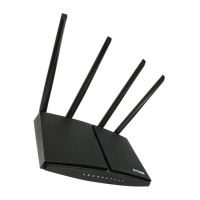
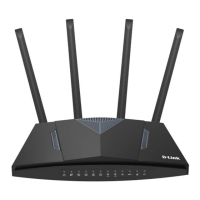
The D-Link DWR-M921 is a router designed to facilitate internet connectivity for multiple devices. This manual focuses on leveraging its advanced features, particularly the Demilitarized Zone (DMZ) functionality, to improve network performance for gaming. A DMZ essentially exposes a specific device to the internet, bypassing the router's firewall for that device. While this can improve connectivity for gaming, it's important to note that it also carries security implications, as the device in the DMZ is less protected from external threats. The router's firewall, as described, continuously monitors internet traffic to protect connected devices from malicious attacks, but the DMZ setting intentionally overrides some of these protections for the designated device.

The core function of the procedures detailed in the manual is to establish a static IP address for the gaming console or computer and then place that static IP address into the router's DMZ. This configuration aims to ensure that the gaming device has an "Open NAT" type, which is generally preferred for online multiplayer gaming as it allows for direct communication with other players, reducing lag and connection issues. The manual also guides users through configuring DNS settings, which are crucial for resolving domain names into IP addresses, thereby affecting how quickly and reliably a device can connect to game servers.

Usage Features:

The manual provides step-by-step instructions for configuring the D-Link DWR-M921 router and various gaming devices. Key usage features highlighted include:

  • Manual IP Address Configuration: Users are guided on how to set a static IP address for their gaming console (PS4, PS3) or computer. This is a fundamental step for DMZ configuration, as the DMZ requires a fixed IP address to function correctly.
  • Custom DNS Settings: The manual specifies primary and secondary DNS server addresses (193.227.177.130 and 194.126.16.38, respectively). These custom DNS settings are often recommended to improve connection speeds and reliability, especially for gaming, by potentially bypassing slower or less reliable default DNS servers provided by Internet Service Providers.
  • Router Web Interface Access: Users are instructed to access the router's web-based management interface by entering 192.168.0.1 in a web browser. This interface is the central hub for configuring all advanced router settings.
  • DMZ Activation: The most critical usage feature for gaming performance is the activation of the DMZ. The manual clearly outlines how to navigate to the "Features" then "Firewall" section, then "Advanced" settings, to enable DMZ and input the static IP address of the gaming device. This action is intended to open all ports for the specified device, facilitating unrestricted communication for online gaming.
  • UPnP Management (for PS3): For PlayStation 3 users, the manual specifically instructs to disable UPnP (Universal Plug and Play). UPnP is a protocol that allows devices on a network to automatically discover each other and establish functional network services. While often convenient, it can sometimes conflict with manual port forwarding or DMZ settings, leading to NAT issues. Disabling it ensures that the manual DMZ configuration takes precedence.
  • Internet Connection Testing (for PS4): After configuring the settings on the PlayStation 4, users are advised to "TEST Internet Connection." This feature allows the console to verify its network connectivity and often reports the NAT type, providing immediate feedback on the effectiveness of the applied settings.
  • Save & Apply Functionality: Throughout the router configuration steps, users are reminded to "Click Save & Apply" to ensure that their changes are permanently stored and activated on the router. Without this step, any modifications would be lost upon reboot or power cycle.
  • Rebooting Devices: The final step for all platforms is to reboot the gaming device (PS4, PS3) or computer. This ensures that the new network settings are fully applied and that the device re-establishes its connection with the router using the updated configuration.

Maintenance Features:

While the manual primarily focuses on initial setup and optimization for gaming, it implicitly touches upon several aspects that can be considered maintenance-related:

  • Troubleshooting NAT Type Issues: The entire guide serves as a troubleshooting protocol for "NAT type problems." By following these steps, users are performing a form of network maintenance to resolve connectivity issues that impact their gaming experience.
  • Router Firmware Access: The ability to access the router's web interface (192.168.0.1) is not only for initial setup but also for ongoing maintenance. Users can periodically check settings, update firmware (though not explicitly covered in this guide, it's a common router maintenance task performed via the web interface), or revert changes if new issues arise.
  • Network Configuration Management: The detailed steps for configuring IP addresses, DNS, and DMZ settings provide users with the knowledge to manage their network configuration effectively. This empowers them to make adjustments as needed, for example, if they change their gaming setup or encounter new network challenges.
  • Security Awareness (Implicit): Although the DMZ feature is presented as a solution for gaming, the very act of enabling it implies a need for security awareness. While not explicitly stated as a maintenance feature, understanding the implications of DMZ (i.e., reduced firewall protection for the DMZ host) is crucial for maintaining overall network security. Users should be aware that placing a device in the DMZ makes it more vulnerable, and therefore, the device itself should have robust security measures (e.g., up-to-date operating system, antivirus software).
  • System Reboot for Configuration Refresh: The instruction to reboot the gaming device or computer after applying changes is a standard maintenance practice to ensure that all network services and configurations are refreshed and operating with the latest settings. This helps prevent conflicts or stale connections.

In summary, the D-Link DWR-M921 manual provides a practical guide for users to optimize their network for gaming by leveraging the router's DMZ feature and custom DNS settings. It emphasizes detailed, step-by-step instructions for configuring both the gaming devices and the router's web interface, thereby empowering users to troubleshoot and enhance their online gaming experience. The underlying principles involve careful network configuration and an understanding of how specific router features impact connectivity and security.

D-Link DWR-M921 Specifications

General IconGeneral
Wireless Standard802.11n/g/b
Frequency Band2.4 GHz
LAN Ports4
WAN Ports1
SIM SlotYes
3G/4G SupportYes
Wireless SpeedUp to 300 Mbps
SIM Card SlotStandard SIM
USB PortNo
SecurityWPA, WPA2

Related product manuals