Typical Questions & Answers
12
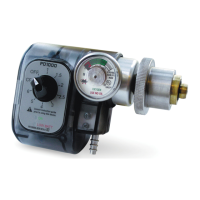
Q. How does PulseDose work? How does it know when I’m inhaling?
A.
When inhaling, your diaphragm moves down and causes a drop in
pressure in the lungs. Air flows in through the nose and mouth to
equalize the pressure. This negative pressure is also present at the nose
and mouth during inhalation. This pressure signal travels through the
nasal cannula to a pressure sensor in the PulseDose conserving device.
An electronic circuit then opens an electrical valve to deliver a precisely
metered dose of oxygen. When the valve is closed, the sensor is ready to
detect the next inhalation.
Q. The pulse seems so short. Am I really getting enough oxygen?
A.
Yes. PulseDose delivers a precise burst of oxygen at a relatively high flow
rate at the leading edge of each inhalation. This assures that the oxygen
delivered flows deep into the lungs for maximum benefit. PulseDose
requires less oxygen to deliver the same therapeutic benefit as
continuous flow oxygen delivery.
Q. I can’t hear the pulse. Is PulseDose working?
A.
If the pulse can’t be heard, simply look at the green PulseDose indicator to
see that the device is being triggered by inhalation. For further assurance,
hold the end of the cannula in front of your lips while inhaling through
your mouth and feel the pulse. PulseDose does not monitor the supply of
oxygen. Remember to check the oxygen contents gauge periodically to
verify that there is an adequate oxygen supply. If the oxygen supply runs
out, the green PulseDose indicator light will continue to illuminate,
indicating that the conserving device is being triggered by inhalation.


 To Next Page