EasyManua.ls Logo

DeWalt DCS391 - User Manual

DeWalt DCS391
21 pages
Print Icon
To Next Page IconTo Next Page
Loading...
DCS391, DCS393
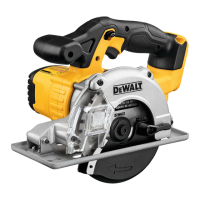
20V Max* 6-1/2" (165 mm) Cordless Circular Saw
Scie circulaire sans fil de 20 V max* 165 mm (6-1/2po.)
Sierra circular inalámbrica de 20 V Máx* 165 mm (6-1/2")
INSTRUCTION MANUAL
GUIDE D’UTILISATION
MANUAL DE INSTRUCCIONES
INSTRUCTIVO DE OPERACIÓN, CENTROS DE SERVICIO Y PÓLIZA DE
GARANTÍA. ADVERTENCIA: LÉASE ESTE INSTRUCTIVO ANTES DE
USAR EL PRODUCTO.
If you have questions or comments, contact us.
Pour toute question ou tout commentaire, nous contacter.
Si tiene dudas o comentarios, contáctenos.
1-800-4-D
e
WALT • www.dewalt.com
Final Print Size: 8.5 x 5.5"

Other manuals for DeWalt DCS391

Question and Answer IconNeed help?

Do you have a question about the DeWalt DCS391 and is the answer not in the manual?

Summary

Tool Components Identification

Trigger and Lock-off Controls

Main controls for operating the saw and preventing accidental starts.

Depth and Bevel Adjustment Knobs

Mechanisms for setting cutting depth and angle.

Blade Guarding System

Lower guard, retracting lever, and blade clamping mechanisms.

Battery Pack and Handling

Power source, release button, and auxiliary handle.

Tool Base and Indicators

Shoe, kerf indicator, and blade wrench for guidance.

General Safety Guidelines

Safety Term Definitions

Explains severity levels for signal words like DANGER, WARNING, CAUTION.

General Power Tool Warnings

Essential safety rules for all power tools.

Work Area Safety

Guidelines for maintaining a safe operating environment.

Electrical Safety

Precautions related to electricity and power tools.

Personal Safety and Tool Operation

Personal Safety Measures

Stay alert, use PPE, prevent unintentional starting, dress properly.

Power Tool Use and Care

Proper usage, maintenance, and storage of power tools.

Battery Tool Use and Care

Guidelines for charging and using battery packs.

Saw Specific Safety and Kickback Prevention

Saw Operational Safety

Instructions for safe operation of the saw, blade usage.

Kickback Causes and Prevention

Understanding and avoiding sudden saw reactions.

Saw Operation and Blade Safety

Saw Operation Precautions

Safe practices during cutting, blade issues, and guard use.

Lower Blade Guard Safety

Instructions for checking and using the lower blade guard.

Additional Circular Saw Safety

Specific warnings for abrasive wheels, water, workpiece support, and air vents.

Safety Equipment and Symbols

Personal Protective Equipment (PPE)

Guidance on using safety glasses, hearing, and respiratory protection.

Tool Storage and Handling

Proper placement and storage of the circular saw when not in use.

Understanding Tool Symbols

Definitions of various symbols found on the tool and labels.

Battery Pack Safety Instructions

General Battery Pack Safety

Rules for charging, handling, and storing battery packs.

Fire Hazard Warnings

Precautions against battery ignition and short circuits.

Lithium Ion Specific Safety

Safety guidelines for Li-Ion battery packs, including disposal.

Battery Charger Safety and Operation

Battery Recycling Information

Details on the RBRC® Seal and battery recycling programs.

General Charger Safety

Essential safety rules for using DEWALT battery chargers.

Charger Usage Precautions

Guidelines on connecting, disconnecting, and using chargers.

Charger Operation and Cord Safety

Extension Cord Selection

Guidance on choosing appropriate extension cords for chargers.

Charger Placement and Care

Instructions for safe placement and maintenance of the charger.

Charging Procedure

Step-by-step guide for charging the battery pack.

Battery Charger Indicator Lights

Charger Light Status

Explains the meaning of indicator lights for charging and delays.

Battery Pack Status

Information on weak and faulty battery packs.

Advanced Charging Notes and Troubleshooting

Wall Mounting Chargers

Instructions for mounting specific charger models.

Optimal Charging Conditions

Notes on temperature and charging performance.

Battery Charging Troubleshooting

Steps to take if the battery pack does not charge properly.

Tool Components and Battery Management

Intended Use and Operation Warnings

Specifies the saw's purpose and general operation safety.

Battery Installation and Removal

Steps for inserting and removing the battery pack.

Fuel Gauge Battery Packs

Explains how to read the battery charge level indicator.

Trigger Switch and Blade Installation

Trigger Switch Operation

How to operate the trigger switch and lock-off button.

Blade Installation Steps

Initial steps for installing a new saw blade.

Changing Saw Blades

Installing a New Blade

Detailed steps for correctly installing a saw blade.

Replacing an Old Blade

Procedure for removing an old blade from the saw.

Blade Selection and Kickback Causes

Blade Maintenance and Selection

Instructions for cleaning, selecting, and using saw blades.

Kickback and Workpiece Support

Explains kickback and its relation to how the workpiece is supported.

Kickback Causes and Depth Adjustment

Additional Kickback Factors

Covers blade twisting, material types, dull blades, and bevel cuts.

Cutting Depth Adjustment

Steps to set the correct blade depth for efficient cutting.

Saw Adjustments and Guides

Bevel Angle Adjustment

How to set and adjust the saw's bevel angle.

90 Degree Shoe Adjustment

Fine-tuning the shoe for accurate 90-degree cuts.

Kerf Indicator Guide

Using the indicator to guide cuts along lines.

Cutting Techniques and Workpiece Support

Proper Workpiece Support

Importance of supporting the material correctly for safe cutting.

Cutting Process Guidance

Techniques for making efficient and safe cuts.

Specialized Cutting Techniques

Ripping Boards

Guide to cutting wider boards into narrower strips.

Pocket Cutting

Instructions for making cuts within a floor, wall, or flat surface.

Maintenance, Accessories, and Registration

Tool Cleaning and Lubrication

Procedures for cleaning the tool and its parts.

Accessories and Repairs

Information on recommended accessories and repair services.

Product Registration

Benefits and process of registering your DEWALT product.

Summary

Tool Components Identification

Trigger and Lock-off Controls

Main controls for operating the saw and preventing accidental starts.

Depth and Bevel Adjustment Knobs

Mechanisms for setting cutting depth and angle.

Blade Guarding System

Lower guard, retracting lever, and blade clamping mechanisms.

Battery Pack and Handling

Power source, release button, and auxiliary handle.

Tool Base and Indicators

Shoe, kerf indicator, and blade wrench for guidance.

General Safety Guidelines

Safety Term Definitions

Explains severity levels for signal words like DANGER, WARNING, CAUTION.

General Power Tool Warnings

Essential safety rules for all power tools.

Work Area Safety

Guidelines for maintaining a safe operating environment.

Electrical Safety

Precautions related to electricity and power tools.

Personal Safety and Tool Operation

Personal Safety Measures

Stay alert, use PPE, prevent unintentional starting, dress properly.

Power Tool Use and Care

Proper usage, maintenance, and storage of power tools.

Battery Tool Use and Care

Guidelines for charging and using battery packs.

Saw Specific Safety and Kickback Prevention

Saw Operational Safety

Instructions for safe operation of the saw, blade usage.

Kickback Causes and Prevention

Understanding and avoiding sudden saw reactions.

Saw Operation and Blade Safety

Saw Operation Precautions

Safe practices during cutting, blade issues, and guard use.

Lower Blade Guard Safety

Instructions for checking and using the lower blade guard.

Additional Circular Saw Safety

Specific warnings for abrasive wheels, water, workpiece support, and air vents.

Safety Equipment and Symbols

Personal Protective Equipment (PPE)

Guidance on using safety glasses, hearing, and respiratory protection.

Tool Storage and Handling

Proper placement and storage of the circular saw when not in use.

Understanding Tool Symbols

Definitions of various symbols found on the tool and labels.

Battery Pack Safety Instructions

General Battery Pack Safety

Rules for charging, handling, and storing battery packs.

Fire Hazard Warnings

Precautions against battery ignition and short circuits.

Lithium Ion Specific Safety

Safety guidelines for Li-Ion battery packs, including disposal.

Battery Charger Safety and Operation

Battery Recycling Information

Details on the RBRC® Seal and battery recycling programs.

General Charger Safety

Essential safety rules for using DEWALT battery chargers.

Charger Usage Precautions

Guidelines on connecting, disconnecting, and using chargers.

Charger Operation and Cord Safety

Extension Cord Selection

Guidance on choosing appropriate extension cords for chargers.

Charger Placement and Care

Instructions for safe placement and maintenance of the charger.

Charging Procedure

Step-by-step guide for charging the battery pack.

Battery Charger Indicator Lights

Charger Light Status

Explains the meaning of indicator lights for charging and delays.

Battery Pack Status

Information on weak and faulty battery packs.

Advanced Charging Notes and Troubleshooting

Wall Mounting Chargers

Instructions for mounting specific charger models.

Optimal Charging Conditions

Notes on temperature and charging performance.

Battery Charging Troubleshooting

Steps to take if the battery pack does not charge properly.

Tool Components and Battery Management

Intended Use and Operation Warnings

Specifies the saw's purpose and general operation safety.

Battery Installation and Removal

Steps for inserting and removing the battery pack.

Fuel Gauge Battery Packs

Explains how to read the battery charge level indicator.

Trigger Switch and Blade Installation

Trigger Switch Operation

How to operate the trigger switch and lock-off button.

Blade Installation Steps

Initial steps for installing a new saw blade.

Changing Saw Blades

Installing a New Blade

Detailed steps for correctly installing a saw blade.

Replacing an Old Blade

Procedure for removing an old blade from the saw.

Blade Selection and Kickback Causes

Blade Maintenance and Selection

Instructions for cleaning, selecting, and using saw blades.

Kickback and Workpiece Support

Explains kickback and its relation to how the workpiece is supported.

Kickback Causes and Depth Adjustment

Additional Kickback Factors

Covers blade twisting, material types, dull blades, and bevel cuts.

Cutting Depth Adjustment

Steps to set the correct blade depth for efficient cutting.

Saw Adjustments and Guides

Bevel Angle Adjustment

How to set and adjust the saw's bevel angle.

90 Degree Shoe Adjustment

Fine-tuning the shoe for accurate 90-degree cuts.

Kerf Indicator Guide

Using the indicator to guide cuts along lines.

Cutting Techniques and Workpiece Support

Proper Workpiece Support

Importance of supporting the material correctly for safe cutting.

Cutting Process Guidance

Techniques for making efficient and safe cuts.

Specialized Cutting Techniques

Ripping Boards

Guide to cutting wider boards into narrower strips.

Pocket Cutting

Instructions for making cuts within a floor, wall, or flat surface.

Maintenance, Accessories, and Registration

Tool Cleaning and Lubrication

Procedures for cleaning the tool and its parts.

Accessories and Repairs

Information on recommended accessories and repair services.

Product Registration

Benefits and process of registering your DEWALT product.

DeWalt DCS391 Specifications

General IconGeneral
Blade Diameter6-1/2 inches
Arbor Size5/8 inches
Max. Cut Depth at 45°1-5/8 inches
Max. Cut Depth at 90°2-1/4 inches
Motor TypeBrushed
Tool Length12.5 inches
Bevel Capacity0° - 50°
Voltage20V MAX
No Load Speed5150 rpm

Related product manuals