Need help?
Do you have a question about the ESI eSIP Evolution Series and is the answer not in the manual?
Five subtypes of one-touch BLF transfer method. Monitors extension state and performs pickups.
Presence keys show line status and if the other party is online.
Message Waiting Indication. Not needed for eSIP Evolution due to built-in Voice Mail button.
Stores commonly used or difficult-to-remember phone numbers for speed dial.
Allows barging into another extension. Uses a star feature code.
Implemented during an active call, programmed as DTMF key. Not a Memory key.
Call forward key uses a feature code and will be programmed as a DTMF Key. Not used on eSIP Evolution.
Provide LED status of active calls and initiate calls. Details interaction based on phone state.
Steps to find the phone's IP address and log into the web portal for programming.
Explains the numbering and layout of programmable DSS keys on ePhone4x and ePhone3.
Details how to program Line keys to a specific SIP Account for making and receiving calls.
Explains programming a Call Park key using a DTMF type with a star code.
Details programming a Call Pickup key using DTMF type with a star code for group call pickup.
Explains programming an Extension key as a Memory Key with BLF indicator for DSS functionality.
Guides programming a DTMF and Memory Key combination to transfer calls directly to an extension's voicemail.
Details configuring Multicast Paging, subscribing phones to channels, and programming a Paging button.
Instructions for adding multiple VoIP extensions, user names, and email addresses in bulk via CSV.
Process for exporting existing extension data from the PBX into a CSV file for review or modification.
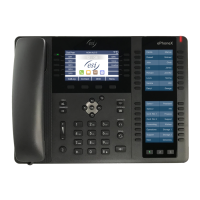
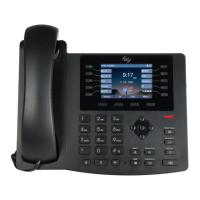
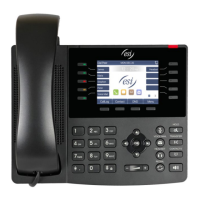
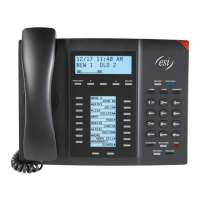
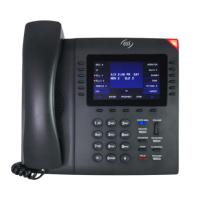
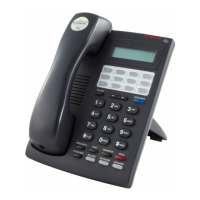
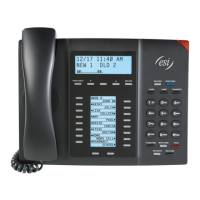
The eSIP Evolution Series encompasses the ePhone3 and ePhone4x SIP phones, designed to be platform-agnostic, meaning they can operate with various SIP platforms beyond just the eSIP Evolution system. This open architecture provides extensive programming options and settings, though only a subset is typically required for the eSIP Evolution. Other platforms, such as Metaswitch®, may utilize the full range of available options.
The primary purpose of these phones is to facilitate communication through SIP accounts, offering a wide array of programmable buttons for various functions. These functions can be categorized into actions performed while the phone is idle (e.g., Call Forward) or during an active call (e.g., call parking or transferring).
The most relevant key types for eSIP Evolution are Line, Memory Key, and DTMF. Key Event, Multicast, and Action URL types are used in specific scenarios.
There are 11 subtypes of Memory Keys, with five related to BLF (Busy Lamp Field).
Access the phone's web interface by entering its IP address in a browser.

 To Next Page
 General