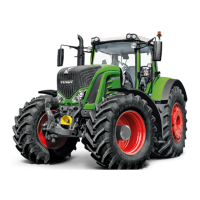
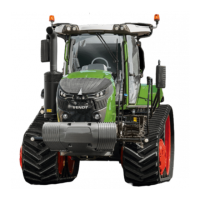
This document is an operating manual for the Fendt Vario series tractors, specifically covering the 711, 712, 714, and 716 Vario models. It serves as a comprehensive guide for both pre-delivery inspection by service workshops and ongoing operation and maintenance by the user. The manual emphasizes safety, proper operation, and regular servicing to ensure the longevity and efficient performance of the tractor.
Function Description
The Fendt Vario tractors are designed for a wide range of agricultural tasks, featuring a continuously variable transmission (Vario) that allows for seamless speed changes and optimized engine performance. The operating manual details the core functionalities, starting with the basic controls and progressing to more advanced systems.
Key functional aspects covered include:
- Engine and Transmission: Instructions for starting and shutting off the engine, understanding the Vario transmission's operation, and changing travel direction (including rapid reversing and programming). It also explains how to engage and disengage forward and reverse gears, and the function of the Tempomat (cruise control) for maintaining consistent speeds.
- Braking Systems: Detailed explanations of the footbrake, handbrake, exhaust brake, and trailer brake functions, crucial for safe operation and control, especially when hauling heavy loads.
- Steering and Suspension: Guidance on adjusting the steering wheel for ergonomic comfort and the operation of the front axle suspension for improved ride quality and traction on uneven terrain.
- Power Take-Off (PTO) Systems: Instructions for switching front and rear PTOs on and off, essential for operating various implements. The manual also covers the automatic functions of the power lift and PTO, which streamline implement control.
- Hydraulic Systems: Explanations on how to operate and adjust hydraulic valves for controlling external consumers and implements. It also covers the implement control system, if fitted, and the functions on the EPC control panel for precise hydraulic management.
- Four-Wheel Drive (4WD) and Differential Lock: Instructions on engaging and disengaging 4WD and the differential lock, which are vital for maximizing traction in challenging conditions.
- Electronic Control Systems (EPC/DA): The manual delves into the functions of the EPC control panel, including how to store and retrieve settings for various operations. It also explains the EPC/DA switchover and the use of the EPC implement socket and remote control, if fitted, for enhanced implement integration and control.
- Safety Features: Emphasis on the safety switch of the EPC and other safety instructions found within the manual and on the vehicle itself, ensuring operator protection.
Usage Features
The manual is structured to guide users through the practical application of the tractor's features, from basic setup to advanced operational modes.
Key usage features include:
- Pre-delivery Inspection: A detailed checklist for service workshops to ensure the tractor is in optimal condition before delivery. This includes checking fluid levels (engine oil, transmission, axle drives, hydraulic system, coolant), greasing all joints, checking tire pressures, verifying wheel nut attachment, testing the electrical system (battery charge, lighting, signalling), and ensuring the diesel pre-filter and brakes are working effectively.
- Driver's Seat Settings: Instructions on how to adjust the driver's seat for maximum comfort and control, which is crucial for long operating hours.
- Operating Controls: Comprehensive explanations of all operating controls, the multiple display, and procedures for initial start-up, starting, and switching off. It also covers fault display, code tables, and how to clear warning and fault messages.
- Engine Speed Storage: Guidance on how to store and recall engine speeds, allowing operators to quickly set preferred RPMs for specific tasks.
- Acceleration Properties and Range Controls: Information on understanding and utilizing the tractor's acceleration characteristics and range controls for efficient operation in different field conditions.
- Front Power Lift and Trailer Hitch: Instructions on the operation of the front power lift (if fitted) and the trailer hitch, facilitating the attachment and control of various implements and trailers.
- Reversing System: Explanation of the reversing system (if fitted), which enhances maneuverability and efficiency in tight spaces.
- Important Information on Service and Maintenance: A dedicated section highlighting critical information for ongoing service and maintenance, ensuring the tractor remains in top working order.
- Tool Box Accessories: Confirmation of the handover of essential tool box accessories, equipping the operator for minor on-site adjustments or repairs.
- Warranty and Delivery Card: Instructions for completing and forwarding the warranty and delivery card to the factory, ensuring proper registration and support.
- Country-Specific Regulations: For 50 km/h versions, attention is drawn to required regular vehicle inspections according to country-specific regulations, emphasizing compliance and safety.
Maintenance Features
The manual provides extensive guidance on routine maintenance tasks, empowering users to perform essential checks and services to keep their Fendt Vario tractor in excellent condition.
Key maintenance features include:
- Daily Checks: Instructions to show and explain the filling points for fuels and lubricants (fuel, engine oil, transmission oil) that require daily checking, ensuring critical fluid levels are maintained.
- Fluid Level Checks and Topping Up: Detailed procedures for checking and topping up oil levels in the engine, transmission, axle drives, front axle differential, hub drives, front PTO, and lift shaft lubrication. It also covers filling the hydraulic system with additional oil for internal or external consumers.
- Cooling System Maintenance: Explanations on how to check and top up coolant, and how to clean the cooling and heating system, which are vital for preventing overheating and maintaining engine efficiency.
- Air Cleaner Maintenance: Instructions for removing and installing the main cartridge for the dry-air cleaner and changing the backup cartridge of the V-air cleaner. It also covers checking the dust discharge valve.
- Greasing: Guidance on greasing the vehicle according to the lubrication chart, ensuring all joints are adequately lubricated to prevent wear.
- Brake System Maintenance: Information on checking the feed reservoirs of the brake and clutch system and general maintenance of these critical components.
- Hydraulic Filter and Venting Filter: Instructions on how to monitor and maintain the hydraulic filter and venting filter, crucial for the longevity of the hydraulic system.
- Roof and Auxiliary Fan Filter: Guidance on maintaining the roof and auxiliary fan filter for optimal cabin air quality and system performance.
- Air Conditioning Condenser: Instructions on how to maintain the air conditioning condenser, ensuring efficient cooling.
- Compressed-Air Vessel: Instructions on how to drain the compressed-air vessel, a key maintenance task for air brake systems.
- Fuel and Lubricant Changes for Winter Operation: Recommendations for changing fuels and lubricants for winter operation, adapting the tractor to colder conditions.
- Biodiesel and Biohydraulic Oil: Information regarding the possible use of biodiesel and biohydraulic oil, offering alternative fuel and lubricant options.
- Jump-Starting, Bump-Starting, and Towing: Procedures for jump-starting, bump-starting, and safely towing the tractor, providing solutions for unexpected situations.
- Safe Parking: Instructions on safe parking practices, ensuring the tractor is securely positioned when not in use.
The manual, with its detailed instructions and checklists, serves as an indispensable resource for anyone operating or maintaining a Fendt Vario 700 series tractor, promoting safe, efficient, and long-lasting performance.

 Need help?
 General

 To Next Page