G. TIRES AND TUBES
1. TIRES
Bicycle tires come in a variety of designs
and specifications, ranging from general
purpose to specialized tires for specific
weather or terrain conditions. If you feel
that a different tire may better suit your
riding needs, your dealer can assist you
in selecting the most appropriate
design.
The size, pressure rating, and
recommended use (if applicable) are
marked on the side of the tire. The most
important information for you will be
the tire pressure. Most bicycle tires have
pressure rating ranges based on the tire
size, but some tires may have different
pressure ranges based on their
intended use.
2. TIRE VALVES
There are two primary types of bicycle tube valves: the Schrader valve
and the Presta valve. It is important to use a bicycle pump that has the
appropriate fitting for the valve stems on your bicycle.
The Schrader valve is similar to the valve on a car tire. To inflate a
Schrader valve tube, remove the valve cap and clamp the pump onto
the valve stem. To let air out of a Schrader valve, press down on the valve
stem with an appropriate tool, such as the end of a key.
The Presta valve has a narrower diameter and is commonly found on
bicycle tires. To inflate a Presta valve tube, remove the valve cap, unscrew
the locknut counterclockwise, and push down on the valve stem to
expose the valve head and ensure a tight seal. To let air out, simply loosen
the locknut and press on the valve stem.
To prevent air leakage, it is recommended to use a Presta valve cap
(available at most bike shops), which screws onto the valve stem after
inflation. This cap fits into the Schrader pump attachment and provides
a secure seal.
Remember to always handle the valve stems carefully to avoid any
damage or bending.
35 36
It is crucial to follow the recommended tire pressure and not
exceed the maximum pressure indicated on the side of the tire.
Exceeding the maximum pressure can damage the tire and pose
a risk to both the rider and bystanders. The best and safest way to
inflate a bicycle tire to the correct pressure is to use a high-quality
bicycle pump with a built-in pressure gauge.
WARNING
Using gas station air hoses or other air compressors not designed
for bicycle tires can be unsafe. These devices can rapidly increase
the pressure in the tire, potentially causing damage or failure.
WARNING
To determine the appropriate tire pressure for your weight and riding
conditions, consult your dealer or a knowledgeable professional. They
can recommend the ideal pressure range based on your bike's
specifications and the type of riding you will be doing. Additionally, it is
advisable to use a high-quality dial gauge instead of relying on
potentially inaccurate tire pressure gauges to ensure precise
measurement.
Regularly checking your tire pressure is essential for maintaining optimal
performance and safety. Some tires may require inflation before each
ride, while others may need attention less frequently. By making it a
habit to check your tire pressure before every ride, you can ensure that
you are riding with the correct pressure and reduce the risk of punctures
or other tire-related issues.
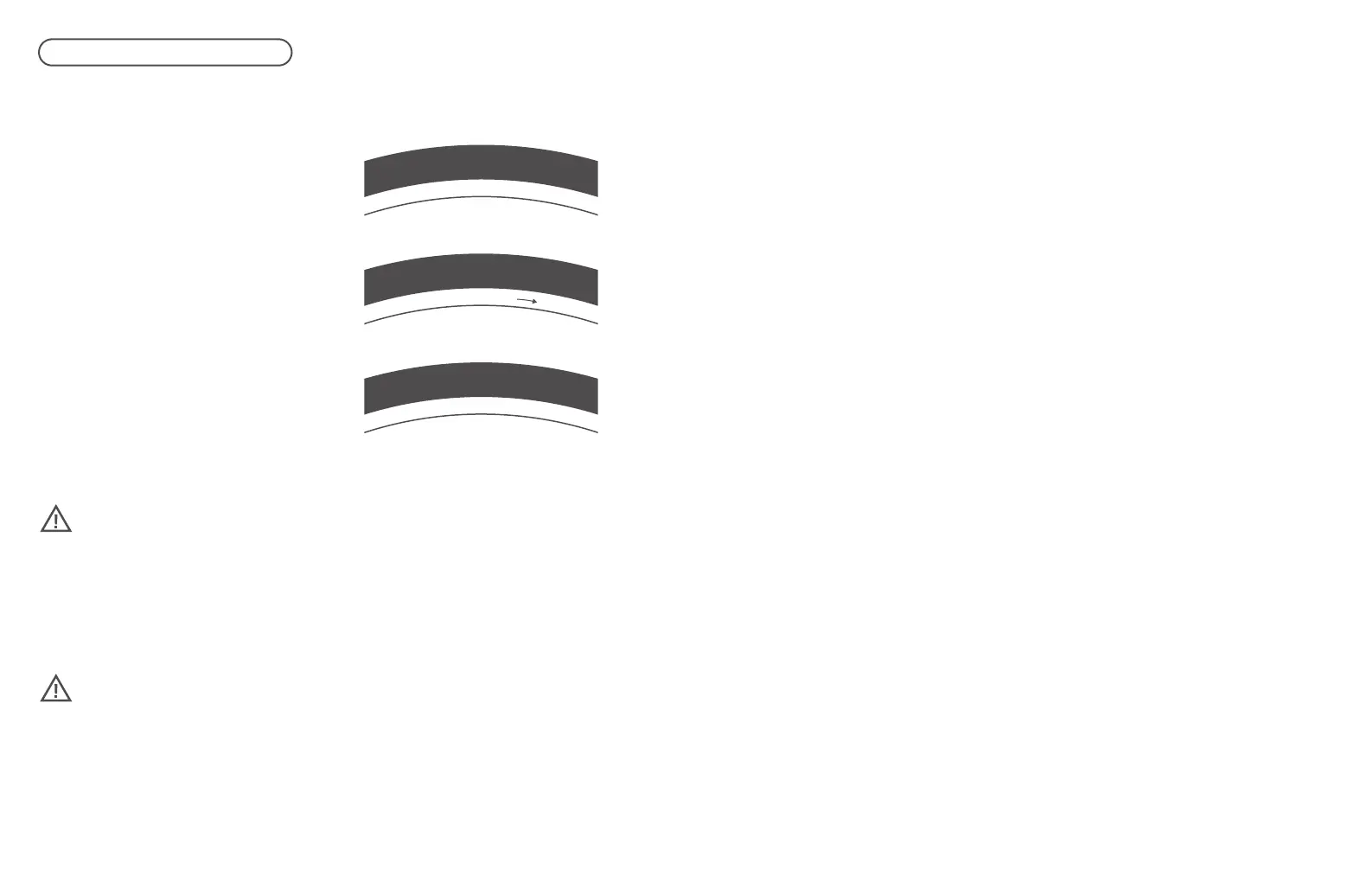
Certain high-performance tires have a unidirectional tread pattern,
designed to work more effectively in one direction than the other. To
ensure proper performance, check the sidewall markings for an arrow
indicating the correct rotation direction. Mounting these tires to rotate in
the proper direction will maximize their benefits.
M
A
X
.
I
N
F
L
A
T
E
T
O
2
0
P
.
S
.
I
.
1
4
0
k
P
a
1
.
4
B
a
r
R
O
T
A
T
I
N
G
D
I
R
E
C
T
I
O
N
2
6
×
4
.
0


 To Next Page
 Loading...