EasyManua.ls Logo

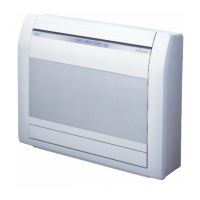
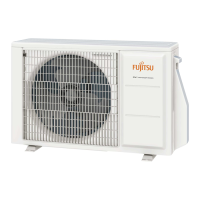
Fujitsu AGYG14LVCB - User Manual

Fujitsu AGYG14LVCB
112 pages
Print Icon
To Next Page IconTo Next Page
Loading...
KEEP THIS MANUAL FOR FUTURE REFERENCE
GEM DENNE VEJLEDNING TIL SENERE REFERENCE
SÄILYTÄ TÄMÄ OHJE TULEVAA TARVETTA VARTEN
TA VARE PÅ BRUKERVEILEDNINGEN FOR SENERE BRUK
FÖRVARA DENNA HANDBOK FÖR FRAMTIDA BRUK
NALEŻY ZACHOWAĆ TĘ INSTRUKCJĘ DO WYKORZYSTANIA W PRZYSZŁOŚCI
P/N9378532045
EnglishDanishFinnishNorwegianSwedishPolish
OPERATING MANUAL
BETJENINGSVEJLEDNING
YTTÖOHJE
BRUKERVEILEDNING
DRIFTSHANDBOK
INSTRUKCJA OBSŁUGI
AIR CONDITIONER
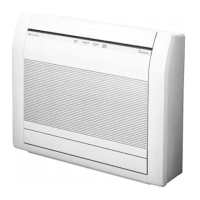
Floor Type
9378532045_OM.indb cover19378532045_OM.indb cover1 9/28/2011 4:21:35 PM9/28/2011 4:21:35 PM

Table of Contents

Other manuals for Fujitsu AGYG14LVCB

Questions and Answers

  • J
    Jason JonesAug 10, 2025
    Why does my Fujitsu AGYG14LVCB Air Conditioner make noise?
    • V
      vfriedmanAug 10, 2025
      Your Fujitsu Air Conditioner may produce noise due to the following reasons: * During operation and immediately after stopping the unit, the sound of water flowing in the air conditioner’s piping may be heard. * Noise may be particularly noticeable for about 2 to 3 minutes after starting operation because of the sound of coolant flowing. * During Heating operation, a sizzling sound may be heard occasionally, which is produced by the Automatic Defrosting operation.
  • D
    Denise NicholsonAug 17, 2025
    Why does my Fujitsu Air Conditioner emit mist or steam?
    • S
      Samantha PhamAug 17, 2025
      Mist or steam may be emitted from your Fujitsu Air Conditioner due to these reasons: * During cooling or dry operation, a thin mist may be seen emitted from the indoor unit. This results from the sudden cooling of room air by the air emitted from the indoor unit, resulting in condensation and misting. * During heating operation, the outdoor unit’s fan may stop, and steam may be seen rising from the unit due to Automatic Defrosting operation.
  • P
    Peter WilliamsAug 25, 2025
    Why does my Fujitsu AGYG14LVCB Air Conditioner smell?
    • M
      Matthew MartinezAug 25, 2025
      If your Fujitsu Air Conditioner emits a smell, it may be due to room odors (from furniture, tobacco, etc.) that have been taken into the indoor unit. Some smell may then be emitted from the indoor unit.
  • T
    Theresa LyonsNov 1, 2025
    Why is my Fujitsu Air Conditioner airflow weak?
    • K
      Karen BrownNov 1, 2025
      There are several reasons why the airflow from your Fujitsu Air Conditioner might be weak or stop: * When heating operation is started, fan speed is temporarily very low to allow internal parts to warm up. * During heating operation, if the room temperature rises above the thermostat setting, the outdoor unit will stop, and the indoor unit will operate at very low fan speed. * During heating operation, the unit will temporarily stop operation (between 7 and 15 minutes) as the Automatic Defrosting mode operates. * During dry mode, the indoor unit will operate at low speed; to adjust room humidity, the indoor unit’s fan may stop from time to time. * The fan may operate at very low speed during dry operation or when the unit is monitoring the room’s temperature. * During SUPER QU...

Summary

SAFETY PRECAUTIONS

Safety Warning Symbols

Explains the meaning of WARNING and CAUTION symbols used in the manual for safety instructions.

FEATURES AND FUNCTIONS

Energy Saving & Comfort Features

Details features like Inverter, Auto Changeover, 10°C Heat, Super Quiet, Economy, and Swing operations.

Convenient & Air Cleaning Functions

Covers Program Timer, Sleep Timer, and air purification filters.

Remote Controller & Unit Features

Discusses remote controller functions and the removable open panel for unit maintenance.

NAME OF PARTS

Indoor Unit Diagram

Illustrates and labels the components of the indoor unit, including controls and airflow louvers.

Remote Controller Diagram

Shows the remote controller with numbered buttons and displays for identification.

Indoor Unit Components Identification

Detailed identification of indoor unit parts like control panel, filters, louvers, and drain hose.

Remote Controller Buttons and Displays

Explains the function of each button and the indicators on the remote controller display.

PREPARATION

Remote Controller Setup

Instructions for loading batteries, setting time, and mounting the remote controller holder.

Remote Controller Operation Basics

Guidelines for operating the remote controller, including signal range and confirmation beep.

OPERATION

Basic Operation Modes & Settings

How to select modes, set thermostat, and adjust fan speed for basic operation.

Super Quiet Operation

Details on activating SUPER QUIET mode for reduced noise and its performance implications.

Stopping Operation & Auto Changeover

How to stop the unit and explanations of AUTO CHANGEOVER mode.

Detailed Mode Operation

Explains specific behaviors of Heating, Cooling, Dry, and Fan modes, including defrosting.

TIMER OPERATION

Setting ON or OFF Timer

Step-by-step guide to setting a single ON or OFF timer, including mode and time adjustments.

Setting Program Timer

Instructions for creating integrated ON/OFF timer sequences within a 24-hour period.

Timer Operation Management

Information on cancelling timers, changing settings, and stopping operation during timer use.

SLEEP TIMER OPERATION

Activating the SLEEP Timer

How to set the SLEEP timer for gradual temperature adjustments during sleep.

SLEEP Timer Functionality

Explains how the SLEEP timer modifies thermostat settings for comfort and automatically stops the unit.

ADJUSTING THE DIRECTION OF AIR CIRCULATION

Vertical Airflow Adjustment

How to adjust the vertical airflow direction using the remote controller's SET button.

Horizontal Airflow Adjustment

Instructions for manually adjusting the horizontal airflow direction using the louvers.

Airflow Direction Safety Notes

Safety warnings regarding airflow adjustment, like keeping fingers away from vents.

AIR OUTLET SELECTION

Upper and Lower Air Outlet Operation

How to set the switch for air to blow from both upper and lower outlets.

Upper Air Outlet Only Operation

How to set the switch for air to blow only from the upper outlet.

10°C HEAT OPERATION

ECONOMY OPERATION

SWING OPERATION

MANUAL AUTO OPERATION

CLEANING AND CARE

Cleaning the Intake Grille

Step-by-step instructions for removing, cleaning, and reinstalling the intake grille.

Cleaning the Air Filter

Procedures for cleaning the main air filter by vacuuming or washing.

General Cleaning Precautions

Important notes on cleaning the unit body, liquids, and long-term shutdown procedures.

Air Cleaning Filter Installation and Replacement

Guide for installing new air cleaning filters and replacing used ones.

Filter Types and Maintenance Schedule

Details on filter types, replacement intervals, and maintenance for deodorizing filters.

Filter Indicator Reset Procedure

Information on the filter indicator and how to reset it after cleaning filters.

TROUBLESHOOTING

Safety Warning for Malfunctions

Critical safety warning for immediate action in case of burning smells or other serious malfunctions.

Troubleshooting Common Issues & Checklist

Lists common issues like no operation, noise, smells, and weak airflow with potential causes.

Troubleshooting Summary and Service

Concludes troubleshooting with steps for persistent issues and when to contact service personnel.

OPERATING TIPS

Heating Performance & Auto Defrosting

Explains heating limitations and the automatic defrosting function during cold weather.

AUTO Restart and Power Interruption

How the unit restarts automatically after a power failure and timer adjustments.

Potential Interference and Recovery

Notes on how external electrical devices can cause malfunctions and how to recover operation.

Fujitsu AGYG14LVCB Specifications

General IconGeneral
Cooling Capacity4.0 kW
Energy Efficiency Class CoolingA
Energy Efficiency Class HeatingA
RefrigerantR32
Power Supply220-240V, 50Hz
Weight (Indoor Unit)9.5 kg
TypeSplit System

Related product manuals