EasyManua.ls Logo

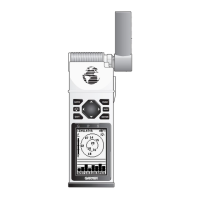
Garmin GPS-III+ - User Manual

Garmin GPS-III+
3 pages
Print Icon
To Next Page IconTo Next Page
Loading...
Garmin® GPS-III+ Backup Battery Replacement
If you receive a screen message that your backup battery has lost charge, it is time to
replace it. Here is how.
1. Tools and supplies
a. Japanese JIS Standard “Phillips” head screwdrivers. These drivers are cut
in a different manner and provide a good grip on the screws. You will
mess the screws up if you do not use JIS screwdrivers.
b. De-soldering gun, de-soldering braid or solder sucker.
c. Soldering station with a fine tip
d. Solder
e. Precision sidecutters
f. Battery. Panasonic VL1220-1VC. These are available from
www.mouser.com
1. Replacing the battery. If you do not have the equipment and ability to do fine
soldering do not attempt this project. Please note that removing the backup
battery will delete all waypoints and other stored information.
a. Remove six screws from the back of the case
b. Carefully open the case. There is a connector cable that you can damage
if it suddenly pops open.
Question and Answer IconNeed help?

Do you have a question about the Garmin GPS-III+ and is the answer not in the manual?

Summary

Tools and Supplies for Battery Replacement

JIS Standard Phillips Screwdrivers

Essential for proper screw grip to avoid damage during disassembly.

Solder Removal Tools

Tools like de-soldering gun or braid for removing solder.

Fine Tip Soldering Station

Equipment for precise soldering work on the circuit board.

Solder Material

Material required for making electrical connections.

Precision Sidecutters

Used for trimming component leads after soldering.

Panasonic VL1220-1 VC Battery

Specific replacement battery model required for the device.

Garmin GPS-III+ Battery Replacement Procedure

Remove Case Screws

Unscrew the six screws located on the back of the device case.

Carefully Open the Case

Gently separate the case halves, being cautious of the internal connector cable.

Disconnect Ribbon Cable Connector

Gently pry up the white cable connector from the circuit board.

Locate Battery on Circuit Board

Identify the battery on edge, next to a capacitor, left of the white connector.

Release Ribbon Cable Clamp

Pull back the plastic clamp on the brown ribbon cable to its stops.

Remove Antenna End Screw

Unscrew the screw near the metal can on the antenna end of the board.

Tip Board to Release Cable

Gently tip the board up, hinging on the ribbon cable edge to detach it.

Desolder Battery Pads

Turn the board over and remove solder from the battery connection points.

Remove Old Battery and Clean Pads

Detach the old battery and clean the connection holes in the pad.

Install New Battery with Correct Polarity

Insert the new battery, ensuring the positive side faces the antenna end.

Solder New Battery Leads

Solder the new battery leads securely and trim any excess.

Reinstall Circuit Board and Cable

Replace the board, slide ribbon cable into clamp, set in place, and install screw.

Reattach Ribbon Cable Clamp

Replace the white cable clamp to secure the ribbon cable.

Reassemble Case and Screws

Ensure antenna wire is not pinched, then reassemble and install case screws.

Summary

Tools and Supplies for Battery Replacement

JIS Standard Phillips Screwdrivers

Essential for proper screw grip to avoid damage during disassembly.

Solder Removal Tools

Tools like de-soldering gun or braid for removing solder.

Fine Tip Soldering Station

Equipment for precise soldering work on the circuit board.

Solder Material

Material required for making electrical connections.

Precision Sidecutters

Used for trimming component leads after soldering.

Panasonic VL1220-1 VC Battery

Specific replacement battery model required for the device.

Garmin GPS-III+ Battery Replacement Procedure

Remove Case Screws

Unscrew the six screws located on the back of the device case.

Carefully Open the Case

Gently separate the case halves, being cautious of the internal connector cable.

Disconnect Ribbon Cable Connector

Gently pry up the white cable connector from the circuit board.

Locate Battery on Circuit Board

Identify the battery on edge, next to a capacitor, left of the white connector.

Release Ribbon Cable Clamp

Pull back the plastic clamp on the brown ribbon cable to its stops.

Remove Antenna End Screw

Unscrew the screw near the metal can on the antenna end of the board.

Tip Board to Release Cable

Gently tip the board up, hinging on the ribbon cable edge to detach it.

Desolder Battery Pads

Turn the board over and remove solder from the battery connection points.

Remove Old Battery and Clean Pads

Detach the old battery and clean the connection holes in the pad.

Install New Battery with Correct Polarity

Insert the new battery, ensuring the positive side faces the antenna end.

Solder New Battery Leads

Solder the new battery leads securely and trim any excess.

Reinstall Circuit Board and Cable

Replace the board, slide ribbon cable into clamp, set in place, and install screw.

Reattach Ribbon Cable Clamp

Replace the white cable clamp to secure the ribbon cable.

Reassemble Case and Screws

Ensure antenna wire is not pinched, then reassemble and install case screws.

Overview

This document outlines the procedure for replacing the backup battery in a Garmin® GPS-III+ device. The primary function of this guide is to provide detailed instructions for users encountering a "backup battery has lost charge" screen message, indicating the need for a battery replacement.

Function Description:

The Garmin® GPS-III+ is a GPS device that utilizes a backup battery to retain stored information such as waypoints. When this battery loses charge, the device prompts the user to replace it. The replacement process, as described, involves intricate steps of disassembling the device, desoldering the old battery, and soldering a new one. It's crucial to note that removing the backup battery will result in the deletion of all waypoints and other stored information, implying that the backup battery's primary function is data retention during power loss or main battery changes.

Important Technical Specifications (Implied):

  • Battery Type: Panasonic VL1220-1VC. This is a specific model of coin cell battery, likely a rechargeable lithium-ion or similar chemistry given its role as a backup battery in electronic devices. The "VL" prefix often indicates a Vanadium Lithium rechargeable battery.
  • Tools Required:
    • Japanese JIS Standard "Phillips" head screwdrivers: Emphasized for their specific cut that provides a good grip, preventing damage to screws. This suggests the device uses JIS standard screws, common in Japanese electronics.
    • De-soldering gun, de-soldering braid, or solder sucker: Essential for removing the old battery, indicating the battery is soldered onto the circuit board.
    • Soldering station with a fine tip: Necessary for precise soldering of the new battery.
    • Solder: Standard electronic solder.
    • Precision sidecutters: For trimming battery leads.
    • Jeweler's screwdriver: Used for prying up connectors and manipulating small components.
  • Internal Components: The device contains a circuit board with various components including capacitors, a ribbon cable, and an antenna. The battery is located on the circuit board, next to a capacitor and a white connector. The positive side of the new battery should be oriented towards a "metal can on the antenna end."
  • Screen Message Prompt: The device notifies the user when the backup battery has lost charge, indicating the need for replacement. This is a helpful diagnostic feature.
  • Data Loss Warning: The guide explicitly warns that removing the backup battery will delete all waypoints and other stored information. This is a critical piece of information for users to consider before proceeding with the replacement, suggesting that users should back up any important data if possible, although the guide does not specify how to do so.

Maintenance Features:

  • DIY Repair Focus: The document is a step-by-step guide for a do-it-yourself repair, providing detailed instructions and visual aids (implied by the presence of images in the original document, though not provided in this text-only output).
  • Skill Requirement: The guide explicitly states, "If you do not have the equipment and ability to do fine soldering do not attempt this project." This highlights that the battery replacement is not a trivial task and requires specific tools and soldering skills, making it a more advanced maintenance procedure.
  • Component Sourcing: The guide provides a specific vendor (www.mouser.com) for purchasing the replacement battery, simplifying the sourcing process for users.
  • Detailed Disassembly/Reassembly Instructions:
    • Case Removal: Involves removing six screws from the back of the case and carefully opening it to avoid damaging a connector cable.
    • Connector Disconnection: Requires gently prying up a white cable connector from the circuit board.
    • Ribbon Cable Manipulation: Involves pulling back a plastic clamp on a brown ribbon cable and sliding the cable out.
    • Board Removal: Requires removing a screw near the antenna end of the board and gently tipping the board up, hinging on the ribbon cable edge.
    • Battery Removal: Involves locating the battery pads on the back side of the circuit board and removing the solder.
    • Battery Installation: Inserting the new battery, checking polarity (positive side towards the metal can on the antenna end), soldering the leads, and trimming them.
    • Reassembly: Reversing the disassembly steps, including replacing the board, sliding the ribbon cable into its clamp, installing the screw, replacing the white cable clamp, and reassembling the case while ensuring the antenna wire is not pinched.
  • Polarity Check: Emphasizes the importance of checking the battery's polarity during installation, a critical step to prevent damage to the device.
  • Cleaning: Instructs to "clean the holes in the pad" after removing the old battery, ensuring good contact for the new solder.

Overall, this document serves as a comprehensive maintenance manual for a specific, somewhat advanced, repair on the Garmin® GPS-III+ device, emphasizing the necessary tools, skills, and careful execution required.

Garmin GPS-III+ Specifications

General IconGeneral
BrandGarmin
ModelGPS-III+
CategoryGPS
LanguageEnglish

Related product manuals