EasyManua.ls Logo

Hayward IS3206VSP3 - User Manual

Hayward IS3206VSP3
36 pages
Print Icon
To Next Page IconTo Next Page
Loading...
IS3206VSP3 Rev-A
Hayward Pool Products
620 Division St, Elizabeth, NJ 07207
Phone: (908) 355-7995
www.hayward.com
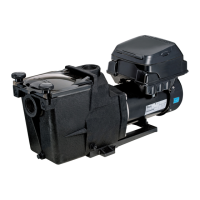
2.70 THP VS Pump Family
Owner’s Manual
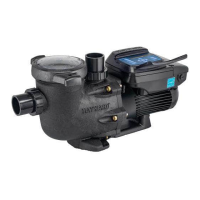
2.70 THP Variable Speed Pump Family
Hayward’s 2.70 THP variable speed pump family is the industry’s most energy efficient variable
speed pump. The totally enclosed, permanent magnet motor combined with its advanced hydraulic
design provides unparalleled energy savings. This pump is easily installed either as a
programmable stand-alone pump or with a Hayward or third party controller and features an easy-to-
use digital control interface that can be mounted in four different positions on the pump or removed
and mounted on the wall for total user convenience.
SVRS models provide an added layer of protection from suction entrapment without additional
devices, plumbing or wiring.
Note: To prevent potential injury and to avoid unnecessary service calls, read this manual carefully
and completely.
SAVE THIS INSTRUCTION MANUAL

Questions and Answers

  • A
    Adrian MortonAug 19, 2025
    What to do if Hayward IS3206VSP3 won't prime?
    • D
      Denise MolinaAug 19, 2025
      If your Hayward Water Pump won't prime: - Empty the pump/strainer housing and ensure it's filled with water. - Check that the cover o-ring is clean, properly seated, and lubricated with “Jack’s 327”. - Make sure the strainer cover is locked firmly in position. - Tighten any loose pipe/union connections on the suction side. - Inspect and tighten, repair, or replace leaking O-rings or packing glands on valves. - Clean any debris from the strainer or skimmer baskets. - Check for air leaks in the suction piping, re-tightening connections and hose clamps. - Verify the correct voltage to ensure the motor rotates at full RPMs. - Inspect the housing cover and impeller for any clogging or obstructions in the suction.
  • S
    Steven MoraAug 21, 2025
    Why is there low flow in my Hayward Water Pump?
    • B
      Benjamin WilliamsAug 21, 2025
      If you're experiencing low flow in your Hayward Water Pump, the following steps can be taken: - Plugged or restricted discharge line of filter, valve partially closed (high gauge reading). Sand filters – backwash as per manufacturer’s instructions; D.E. filters – backwash as per manufacturer’s instructions; Cartridge filters – clean or replace the cartridge. - Air leak in suction (bubbles issuing from return fittings). Re-tighten the suction and discharge connections using Teflon tape. Inspect other plumbing connections, and tighten as required. - Plugged, restricted, or damaged impeller. Replace the impeller including a new seal assembly. - Correct the piping size.
  • N
    Nancy MendezAug 25, 2025
    What to do if my Hayward IS3206VSP3 Water Pump motor will not start?
    • E
      Erin ClarkAug 25, 2025
      If your Hayward Water Pump motor won't start, ensure the terminal board connections match the wiring diagram on the pump data plate label. Also, make sure the pump is wired for the correct field supply voltage. Check for any loose or improper wiring, open switches or relays, tripped circuit breakers, or blown fuses, and correct them. Manually inspect the motor shaft to ensure it rotates freely without any obstructions.
  • N
    Nathan SimmonsAug 26, 2025
    Why does my Hayward Water Pump motor shut off?
    • L
      Laura Sanchez DDSAug 26, 2025
      Your Hayward Water Pump motor might be shutting off frequently due to undersized wiring. Check for low voltage or power drops at the motor. It is recommended to contact a qualified professional to verify the electrical connections.
  • S
    Shelly PriceAug 28, 2025
    Why is my Hayward IS3206VSP3 so noisy?
    • W
      Wendy LeeAug 28, 2025
      If your Hayward Water Pump is noisy, try the following: - Correct the suction condition or throttle return lines. - Ensure the pump is mounted on a level surface and securely attached to the equipment pad. - Clean the pump housing. - Replace any leaking seals, as leaks can be caused by normal wear, rust, overheating, or chemical damage.
  • B
    Bailey WilliamsAug 30, 2025
    What to do if my Hayward IS3206VSP3 Water Pump motor hums, but does not start?
    • D
      Daniel ThomasAug 30, 2025
      If your Hayward Water Pump motor hums but doesn't start, the impeller may be jammed with debris. Contact a qualified repair professional to open the pump and remove the debris.
  • K
    Kurt SimmonsSep 1, 2025
    How to fix interference with home automation equipment caused by Hayward Water Pump?
    • D
      Daniel WebsterSep 1, 2025
      To address interference with home automation or power line communication equipment caused by your Hayward Water Pump: - Ensure the terminal board connections match the wiring diagram on the pump data plate label. - Check for and correct any improper or loose wiring connections. - Install a noise filter (available from your home automation/power line communication equipment vendor) to prevent equipment interference.
  • M
    myerskelliSep 3, 2025
    What to do if Hayward Water Pump check system DC voltage is too high?
    • B
      Benjamin SummersSep 3, 2025
      If the check system DC voltage is too high on your Hayward Water Pump, verify that the line voltage is within 10% of the pump's rated voltage at the terminal block.
  • M
    Megan BanksSep 5, 2025
    What to do if Hayward IS3206VSP3 Water Pump check system DC voltage is too low?
    • M
      Michael CarlsonSep 6, 2025
      If the check system DC voltage is too low on your Hayward Water Pump, verify that the line voltage is within 10% of the pump's rated voltage at the terminal block. Also, verify that power supply connections are properly made at the circuit breaker as well as at the terminal block.
  • E
    Eric AguilarSep 8, 2025
    What to do if Hayward Water Pump check system drive is overheated?
    • S
      Susan HallSep 8, 2025
      If the check system drive is overheated on your Hayward Water Pump, check the motor airflow path for obstructions and clear them if present. Also, check the ambient temperature and verify that it is within the motor's nameplate specifications (50°C/122°F).

Summary

Hayward 2.70 THP Variable Speed Pump Overview

Pump Introduction and Key Features

Provides an overview of the variable speed pump's primary features and benefits.

Important Safety Advisory

Advises users to read the manual thoroughly to prevent injury and ensure proper operation.

Comprehensive Safety Instructions

Understanding Safety Alerts and Definitions

Explains safety alert symbols (Warning, Caution, Notice) and their meanings for user safety.

General Safety Guidelines and Practices

Covers essential safety rules for installation, operation, and general use of the pump.

Electrical Safety, Grounding, and Bonding

Electrical Safety, Grounding, and Bonding

Details risks of electric shock, mandatory grounding, bonding, and GFCI requirements.

Suction Entrapment Hazard Identification

Defines various types of suction entrapment risks including limb, body, and hair entanglement.

Operational Hazards and Risk Mitigation

Operational Hazards and Risk Mitigation

Covers pressure, separation, fire, burn hazards, and general operational safety precautions.

General Pump Information and Specifications

Introduction to the 2.70 THP VS Pump Family

Outlines the purpose of the manual for proper installation and operation of the pump.

Key Features of the Variable Speed Pump

Lists primary features like magnet motor, hydraulic design, programmability, and control interface.

Physical Dimensions of the Pump

Provides the physical dimensions for the Hayward 2.70 THP VS pump unit.

Energy Efficiency and Operational Benefits

Calculating Pump Energy Consumption Costs

Explains how to determine pump operating costs based on power consumption and electricity rates.

Advantages of Low-Speed Pump Operation

Details benefits such as energy savings, improved filtration, and reduced noise levels.

Installation and Plumbing Guidelines

Optimal Pump Location and Mounting

Advises on selecting a suitable location and securely mounting the pump for performance and safety.

Pipe Sizing and Plumbing Connection Best Practices

Covers recommended pipe sizing and proper plumbing connection techniques for efficiency.

Electrical Requirements and Wiring Procedures

Electrical Requirements and Safety

Outlines electrical specifications, voltage considerations, and essential safety rules for wiring.

Grounding, Bonding, and Wiring Procedures

Details mandatory grounding, bonding, and wiring practices essential for electrical safety.

Control Interface and System Options

Remote Control, SVRS, and Interface Options

Explains remote control methods, specific notes for SVRS models, and interface orientation.

Digital Control Interface Mounting Positions

Describes the four possible positions for orienting the digital control interface on the pump.

Procedure for Wall Mounting the Control Interface

Procedure for Wall Mounting the Control Interface

Provides step-by-step instructions for mounting the digital control interface on a wall.

Complete Pump Installation Procedure

Complete Pump Installation Procedure

A comprehensive checklist and procedure for completing the pump installation process.

Wiring Diagrams and Connections

Connecting the Main Power Supply

Diagram and instructions for connecting the primary power supply to the pump's terminal block.

Wiring for Hayward Automation Controls

Details wiring connections for controlling the pump via Hayward automation systems.

Wiring for External Relay Speed Control

Instructions for connecting third-party pool controls using relay contacts for speed selection.

Wiring the Wall Mounted Control Interface

Wiring guidance for the digital control interface when mounted separately from the pump.

Remote Stop Switch Wiring

Explains how to wire a remote stop switch for controlling pump operation.

Startup and Operation Guide

Pre-Startup Inspection and Checks

Essential checks and precautions to perform before the initial pump startup.

Step-by-Step Pump Starting and Priming

A detailed guide on how to correctly start and prime the pump for operation.

Understanding the User Interface Controls

Explains the function of each button and display element on the pump's control interface.

Pump Menu Structure and Initial Screens

Overview of the pump's menu hierarchy and the initial information displayed upon power-up.

Initial Pump Configuration Process

Guides users through the necessary configuration steps after plumbing and wiring.

Detailed Configuration Menu Settings

Provides a comprehensive explanation of each configurable setting within the pump's menu.

Programming the Pump Timer Schedules

Instructions for setting up and programming the pump's various timer functions and daily schedules.

Setting and Adjusting Preset Pump Speeds

Guides users on how to set, name, and update predefined pump speed profiles.

Accessing Diagnostic Information and Logs

Explains how to view diagnostic data like firmware versions, serial numbers, and event logs.

Stopping and Resuming Pump Operation

Details the procedure for temporarily stopping and then resuming normal pump operation.

Quick Clean Mode and Remote Stop Functionality

Explains the Quick Clean mode and how the remote stop switch engages.

Pump Maintenance and Care

Pump Maintenance and Care

Routine cleaning and maintenance tasks necessary for optimal pump performance and longevity.

Storage and Winterization Procedures

Guidelines for Safe Pump Storage and Winterization

Instructions for draining the pump and protecting it from damage during storage or winter.

Shaft Seal Replacement Guide

Removing Pump Components for Seal Access

Steps to remove motor assembly and diffuser to gain access for shaft seal replacement.

Replacing Impeller, Diffuser, and Shaft Seal

Detailed instructions for replacing the impeller, diffuser, and the shaft seal assembly.

Replacement Parts Information

Pump Parts Diagram and Component Identification

A visual diagram identifying all pump components with corresponding reference numbers.

List of Available Replacement Parts

A comprehensive table listing part numbers, descriptions, and quantities for replacement parts.

Troubleshooting Pump Issues

Resolving Motor Start and Operation Problems

Guides to diagnose and fix issues such as the motor not starting, shutting off, or humming.

Addressing Pump Priming and Flow Difficulties

Solutions for common problems like priming failures, suction leaks, and low flow conditions.

Troubleshooting Noise and Communication Interference

Identifies causes for abnormal pump noise and interference with communication equipment.

Interpreting System Error Codes and Messages

Explains system error messages and provides corresponding troubleshooting steps for resolution.

Advanced Troubleshooting and Error Resolution

Further guidance for resolving memory, communication, and general system error codes.

Warranty and Product Registration

Warranty Information

Details the limited warranty terms, conditions, and procedures for Hayward products.

Product Registration Process

Provides the necessary information and fields for registering the pump for warranty coverage.

FCC Compliance and Regulatory Information

FCC Compliance and Regulatory Information

Presents the regulatory compliance statement regarding FCC rules for the device.

Warranty Card Registration Form

Warranty Card Registration Form

The form to be filled out for registering the pool pump for warranty service and support.

Hayward IS3206VSP3 Specifications

General IconGeneral
BrandHayward
ModelIS3206VSP3
CategoryWater Pump
LanguageEnglish

Related product manuals