
 Need help?
Do you have a question about the Heatilator EL36 and is the answer not in the manual?
Expresses congratulations on purchasing the fireplace and encourages reading the manual.
States the fireplace has been tested and listed per UL 127 and CAN/ULC-S610 standards.
Discusses the optional installation of gas log sets, inserts, and lighters with the fireplace.
Outlines essential safety practices, including clear space, supervision, inspections, and emergency plans.
Compares hardwood and softwood fuels, discussing their density, burn characteristics, and usage.
Explains the importance of wood moisture content for efficient burning and preventing creosote buildup.
Details the frequency, methods, and importance of inspecting the chimney system for safety.
Provides instructions on identifying and removing creosote buildup to prevent chimney fires.
Guides on inspecting the fireplace grate for damage and when replacement is necessary.
Offers instructions on how to clean the fireplace glass safely and effectively.
Explains the safe procedure for removing ashes from the fireplace, emphasizing cooling.
Instructs on inspecting the refractory lining for deterioration and when replacement is needed.
Addresses common issues and questions related to fireplace performance and draft.
Lists part numbers and descriptions for ordering replacement components for the fireplace.
Lists available optional accessories for the fireplace, such as doors and log sets.
This document is an owner's manual for Heatilator EL36/EL42 wood-burning fireplaces, providing essential information for operation, care, and maintenance. It emphasizes safety, proper fuel usage, and troubleshooting common issues to ensure the fireplace functions efficiently and safely.
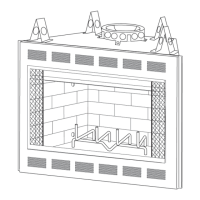
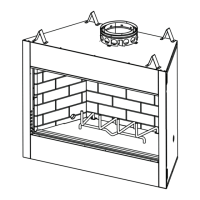
The Heatilator EL36/EL42 is a wood-burning fireplace designed to provide heat and ambiance. It is intended for use with solid wood fuel only. The fireplace system has been tested and listed in accordance with UL 127 and CAN/ULC-S610 standards for installation and operation in the United States and Canada. It can be installed in sleeping rooms, with the exception of manufactured homes. If a gas log set is installed, it must comply with the National Fuel Gas Code. The fireplace is designed to work with specific optional components, such as an outside air kit, gas log sets, gas inserts, gas log-lighters, and wood-burning inserts, which can be purchased and installed separately.
General Operation: The fireplace features a flue damper, which must be in the fully open position during operation to ensure proper draft and prevent smoke spillage. An optional outside air kit can be installed to supply combustion air, potentially reducing the effects of negative air pressure. This inlet should be closed when the fireplace is not in use to prevent cold drafts. Glass doors are optional and, if installed, should be operated either fully open or fully closed to prevent gas and flame from being drawn out of the fireplace opening.
Fuel and Burning: The fireplace is designed exclusively for solid wood fuel. Users are advised to burn only dry, seasoned firewood with a moisture content of around 20%. Seasoned wood is crucial for efficient burning and to prevent creosote accumulation. Hardwoods (e.g., oak, maple, apple, birch) provide slower, even heat and longer burn times, while softwoods (e.g., Douglas fir, pine, spruce, cedar) burn faster and are easier to ignite, making them suitable for starting fires. A mix of both is recommended for optimal performance. Wet or green wood should not be burned as it produces less heat, wastes energy, and contributes to creosote buildup. Processed solid fuel firelogs that comply with ANSI/CAN/UL/ULC 2115 can also be used, following manufacturer's instructions.
Starting a Fire: To light the first few fires, the flue damper must be fully open. Crumpled paper and kindling should be arranged in a "tent" on the grate. Pre-warming the flue with a rolled-up piece of burning newspaper helps establish a draft. Once the kindling ignites, small pieces of wood are added until a hot bed of embers is established, followed by average-sized split firewood, allowing air and flames to circulate. The first three or four fires should be of moderate size to cure the refractory and paint, which may produce an industrial odor.
Safety Precautions: Users are warned against over-firing the fireplace, which can ignite creosote or damage the unit. Symptoms of over-firing include a glowing chimney connector, roaring noises, loud cracking, metal warping, or a chimney fire. Flammable liquids, trash, or large amounts of scrap lumber should not be used as fuel. Combustible materials, gasoline, and other flammable vapors and liquids must be kept clear of the fireplace. Room furnishings should be at least 4 feet (1219 mm) from the front of the fireplace. The fireplace should always be supervised when in use, and a smoke detector and fire extinguisher should be readily available. Children and adults should be alerted to the hazards of hot surfaces, especially glass, which should not be touched until cooled.
Regular Inspections: An annual inspection of the fireplace system is recommended, or once every two months during the heating season. This includes checking the condition of doors, surrounds, fronts, glass, and glass assembly. Obstructions in combustion and ventilation air, as well as the termination cap, should be checked. The termination cap should remain clear and unobstructed, and the chimney should be inspected for blockages (bird nests, leaves) and corrosion or separation.
Creosote Removal: Creosote buildup is a significant fire risk. When wood is burned slowly, it produces tar and organic vapors that condense in the chimney flue, forming creosote. If ignited, creosote can cause extremely hot chimney fires that may damage the chimney or house. Creosote should be removed at least annually, or every two months during heating season. This involves removing all ash and hot embers, allowing the fireplace to cool, closing the door tightly, and then removing the termination cap to clean the chimney with a brush. Any fallen debris should be cleaned from the firebox.
Grate Maintenance: The grate should be inspected after each ash removal for warping, sagging (more than 1-1/2 inches or 38 mm), broken welds, or burn-through of grate bars. Only approved grates from Hearth & Home Technologies should be used for replacement.
Refractory/Firebrick Maintenance: The refractory (firebrick) is designed to contain heat and provide an attractive interior. It will naturally break down over time, and small hairline cracks and discoloration are normal. However, if the brick is crumbly, deteriorated, or has cracks exceeding 1/4 inch (6 mm), it should be replaced. The fireplace should not be operated without the refractory.
Glass Cleaning: If the fireplace has glass doors, they should be cleaned as necessary using a non-abrasive glass cleaner. A damp cloth dipped in wood ashes or a commercially available oven cleaner can also be used, followed by a rinse with glass cleaner or soap and water to remove any residue.
Ash Removal: Ashes should be removed as necessary, but only when the fire is out and the fireplace is cold. Ashes must be placed in a covered metal container with a tight-fitting lid. This container should then be placed on a noncombustible floor or ground, well away from all combustible materials, until all cinders have thoroughly cooled before final disposal.
 General
| Vent Type | Direct Vent |
|---|---|
| Ignition Type | Electronic Ignition |
| Glass Type | Tempered Glass |
| Fuel Type | Natural Gas / Propane |
| BTU Input (NG) | 36, 000 BTU/hr |
| BTU Input (LP) | 36, 000 BTU/hr |
| Dimensions | 36" W |


 To Next Page
