Need help?
Do you have a question about the Igloo JSCRP and is the answer not in the manual?
This document serves as an instruction manual for IGLOO Pastry Display Cases, specifically models JSCRP and J2SCRP. It provides comprehensive guidance on the installation, operation, and maintenance of these units.
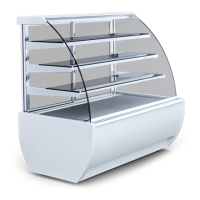
The IGLOO Pastry Display Cases, models JSCRP and J2SCRP, are universal cooling devices designed for both the display and short-term storage of confectionery goods such as cakes, cookies, and desserts. These units maintain an internal temperature range between +1°C and +4°C, suitable for preserving the freshness and quality of delicate pastries. They are intended for use in ambient temperatures ranging from +15°C to +25°C with relative air humidity not exceeding 55%, conditions that are crucial for optimal performance and to prevent issues like condensation or rust.
The display cases feature static cooling, which helps maintain a stable internal environment without harsh air circulation that could dry out products. A key feature is the automatic condensate evaporation system, which efficiently manages moisture within the unit, eliminating the need for manual emptying of a drip tray. Additionally, the units are equipped with automatic defrosting, simplifying maintenance and ensuring continuous efficient operation. An electronic thermostat with a cooperative module monitors the internal temperature, sending signals if it deviates too far from the set range (either too low or too high), thus safeguarding the stored products.
Internally, the display cases are fitted with two levels of white plastic wire shelves. These shelves are mounted on an inner frame, and their height is adjustable, offering flexibility in arranging products of various sizes. The design emphasizes both functionality and aesthetic appeal, with options for cured front glass (JSCRP) or straight front glass (J2SCRP) to showcase products effectively. The units are manufactured using modern technologies and comply with all required legal certifications, ensuring reliability and safety.
Before initial use, proper installation is paramount. The unit must be transported and placed in a vertical position on a strong, level surface. Leveling legs are provided to ensure the unit is perfectly balanced from front to back and left to right, which is critical for proper operation, noise reduction, and efficient condensate outflow during defrosting. Any protective foils or cardboard angles must be removed. If the unit was partially disassembled for transport, specific steps for mounting shelves and the front glass must be followed.
After placement, it is essential to wait at least two hours before plugging in the unit, especially for models with a built-in compressor. This allows the refrigerant to settle, preventing potential start-up problems. The cooling circuit must be protected from damage during this process.
The unit should be cleaned immediately after unpacking and before its first use. Cleaning should be done with warm water (not exceeding 40°C) and a neutral detergent. It is strictly prohibited to use products containing chlorine or sodium, as these can damage the equipment's protective layers and components. Organic solvents, except extraction naphtha for adhesive residue on metal, should also be avoided. Water jets are not to be used; cleaning should be done with a moist cloth.
Operation is straightforward, involving a main switch to turn the unit on/off and a light switch for internal illumination. The temperature is regulated by an electronic thermostat, which comes pre-set by the manufacturer for normal functioning. Users can control and adjust the desired temperature via the control panel. However, it is explicitly forbidden to interfere with the systemic parameters of the thermostat, as this can lead to serious damage to the cooling unit and void the warranty. The digital display shows the current internal temperature.
Proper loading of the shelves is important: they should not be completely overloaded, and the load should be evenly distributed, not exceeding the maximum specified capacity. The first loading of products should only occur after the unit has reached the desired cooling temperature. Ventilation holes must not be blocked to ensure proper air circulation. Unnecessary opening of doors and leaving them open for extended periods should be avoided to maintain temperature stability and energy efficiency.
Regular maintenance is crucial for the longevity and efficient operation of the IGLOO Pastry Display Cases. All maintenance procedures must be performed after disconnecting the equipment from the power supply to ensure safety. Electrical installations must be protected from damage and water spillage.
A key maintenance task is keeping the condenser clean. Dirt accumulation on the condenser can impede heat exchange, leading to increased electricity consumption and potential damage to the compressor. It is recommended to clean the condenser once a month. This involves unscrewing sheet metal screws, pulling out the wind brace, and cleaning the condenser lamellas with a soft brush or paint brush. For extremely dirty condensers, a vacuum cleaner or compressed nitrogen can be used to remove dirt from between the lamellas. The seller disclaims responsibility for condenser damages resulting from non-observance of these cleaning instructions.
The interior of the unit, including door gaskets, shelves, and supports, should be cleaned regularly with warm water and a mild soap. When cleaning the front glass panel, especially for the JSCRP model, it should be completely removed from its aluminum profile rather than just lifted, to prevent damage to the glass. The temperature sensor must also be protected from damage during cleaning and maintenance.
The equipment should be placed in a dry, well-ventilated area, ensuring at least 10cm distance from walls for proper air exchange. It should be kept away from direct sunlight, heat sources, and devices that enforce air flow (like ceiling fans or portable ventilators) to prevent the compressor from overworking and to maintain efficiency. High ambient humidity can cause rust, condensation, and reduce the unit's efficiency.
The manual also provides a troubleshooting guide for common issues such as the unit not working, lights being off, water leakage, or failure to reach the proper temperature. These steps guide the user through checking power connections, switch positions, thermostat settings, and condenser cleanliness. It also clarifies that certain noises from the operating device (compressors, ventilators) and steam precipitation on glass in high humidity (exceeding 55%) are normal operational characteristics and do not signify equipment failure. For issues that cannot be resolved through the troubleshooting guide, contact information for IGLOO Refrigeration service is provided.
 General
| Brand | Igloo |
|---|---|
| Color | Stainless Steel |
| Voltage | 115V |
| Power Supply | Electric |
| Type | Commercial Refrigerator |
| Door Type | Solid |

 To Next Page