4
ACID BURNS
• Battery acid is highly corrosive sulfuric acid.
• Wear safety goggles, both user and bystanders.
• Wear safety gloves.
• Make sure someone can hear you or is close enough to provide aid when working near
battery.
• Have plenty of fresh water and soap nearby. If battery acid contacts skin, clothing
or eyes, ush the exposed area with soap and water for 10 minutes before seeking
medical help.
• Do not touch eyes while working near battery.
• Battery acid can burn eyes and skin.
GENERAL CHARGER USE
RISK OF ELECTRIC SHOCK AND FIRE
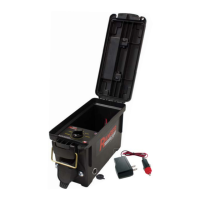
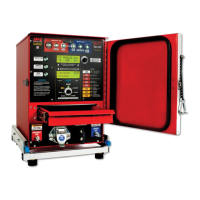
• Before connecting power cord to the charger, make sure
controls are set to off.
• DC power only.
• Do not remove or bypass the grounding pin.
• Do not operate the charger with a damaged cord or plug. Replace the cord or plug
immediately.
• Position the power cord and charger cables away from the hood, doors or hot and/or
moving engine parts where they could be damaged.
• Unplug the power cord using the plug rather than the cord when disconnecting the
charger from the outlet.
• Unplug the power cord from the outlet before cleaning or maintaining the tester and
charger. Turning off the controls does not reduce this risk.
• Do not operate the charger after a sharp impact, drop or any other damage. Do not
disassemble the charger.
• Use only recommended attachments.
• Do not charge a frozen battery. Do not overcharge a battery.
• Use the charger only for lead-acid automotive batteries. Do not use the charger for
charging dry cell batteries.
• Electric shock or re can cause injury.
RISK OF ENTANGLEMENT
• Keep yourself, any clothing and the battery charger leads clear of moving parts such as
fan blades, pulleys, hood and doors.
• Moving parts can cause injury.
RISK OF BURNS
• Batteries can produce short circuit current high enough to weld jewelry such as rings,
bracelets and watches. You must remove them before working near batteries.
• Short circuits can cause injury.



 To Next Page