TEC2101-3 N2 Networked Single-Stage Thermostat Installation Instructions 1
Applications
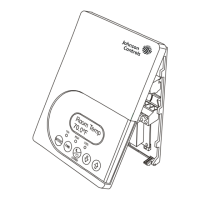
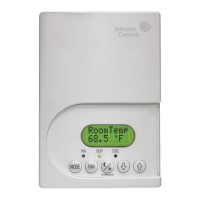
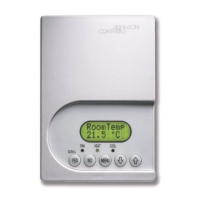
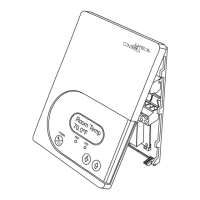
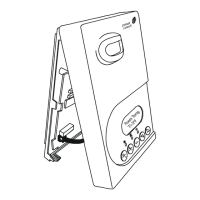
The TEC2101-3 Thermostat is an N2 networked device
that provides control of single-stage heating/cooling
equipment. The technologically advanced TEC2101-3
Thermostat features a Building Automation System
(BAS) N2 Bus communication capability that enables
remote monitoring and programmability for efficient
space temperature control.
North American Emissions Compliance
United States
This equipment has been tested and found to comply
with the limits for a Class A digital device pursuant to
Part 15 of the FCC Rules. These limits are designed to
provide reasonable protection against harmful
interference when this equipment is operated in a
commercial environment. This equipment generates,
uses, and can radiate radio frequency energy and, if
not installed and used in accordance with the
instruction manual, may cause harmful interference to
radio communications. Operation of this equipment in a
residential area is likely to cause harmful interference,
in which case the user is required to correct the
interference at his/her own expense.
Canada
This Class (A) digital apparatus meets all the
requirements of the Canadian Interference-Causing
Equipment Regulations.
Cet appareil numérique de la Classe (A) respecte
toutes les exigences du Règlement sur le matériel
brouilleur du Canada.
Installation
Location Considerations
Locate the TEC2101-3 Thermostat:
• on a partitioning wall, approximately 5 ft (1.5 m)
above the floor in a location of average
temperature
• away from direct sunlight, radiant heat, outside
walls, behind doors, air discharge grills, stairwells,
or outside doors
• away from steam or water pipes, warm air stacks,
unconditioned areas (not heated or cooled), or
sources of electrical interference
Note: Allow for vertical air circulation to the
TEC2101-3 Thermostat.
IMPORTANT: The TEC2101-3 Thermostat is
intended to provide an input to equipment under
normal operating conditions. Where failure or
malfunction of the thermostat could lead to personal
injury or property damage to the controlled
equipment or other property, additional precautions
must be designed into the control system.
Incorporate and maintain other devices such as
supervisory or alarm systems or safety or limit
controls intended to warn of, or protect against,
failure or malfunction of the thermostat.
TEC2101-3 N2 Networked Single-Stage Thermostat
Installation Instructions
Part No. 24-9890-420, Rev. —
Issued September 14, 2006

 Need help?
 General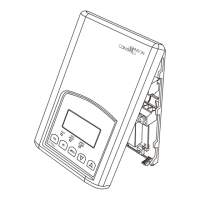


 To Next Page