EasyManua.ls Logo

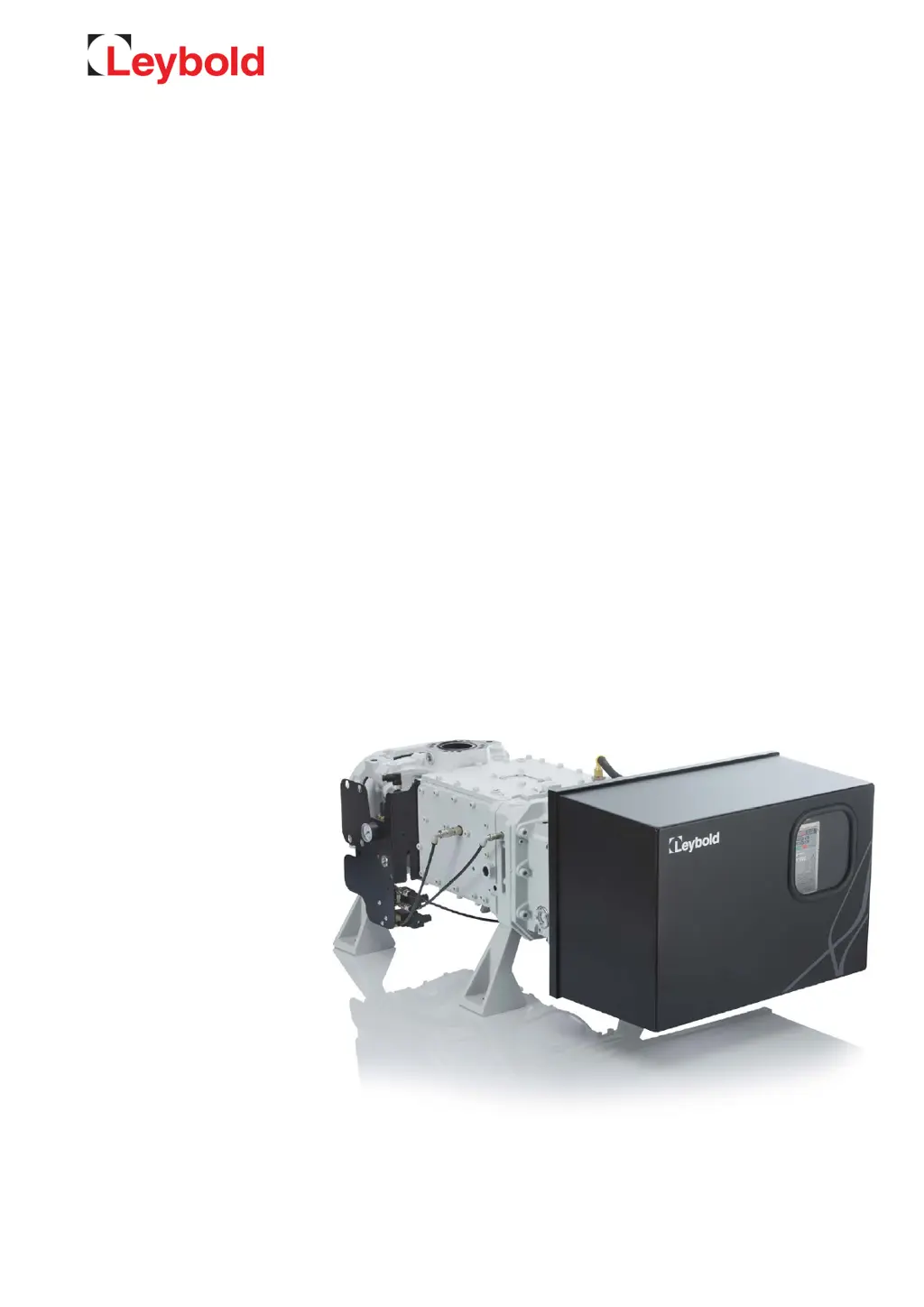
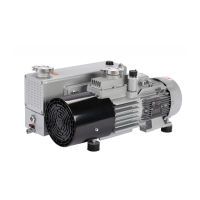
LEYBOLD DRYVAC DV 300 - User Manual

Default Icon
62 pages
Print Icon
To Next Page IconTo Next Page
Loading...
Part Numbers
112020V15 /19 /25 /29
112030V11 /15 /19 /25 /29
112050V15 / V19
DRYVAC
DV 200, DV 300, DV 500
Dry Compressing Vacuum Pumps
with synthetic oil or PFPE filling
Operating Instructions 300750767_002_C3
5
th
draft w/o CE
Dec. 11
th
English

Questions and Answers

  • D
    Dr. Tammy KnightAug 16, 2025
    Why LEYBOLD Water Pump does not attain its pumping speed?
    • S
      Shannon DavisAug 16, 2025
      If your LEYBOLD Water Pump does not attain its pumping speed, it could be due to several causes: * Clogged intake screen: Clean the intake screen. * Incorrectly connected motor: Connect the motor correctly. * Defective motor stator or rotor: Contact Leybold Service. * Gas leak in the vacuum pump system: Detect and seal the leak. * Excessive rotor gap or defective bearing: Contact Leybold Service.
  • A
    Ashley VasquezAug 19, 2025
    What to do if my LEYBOLD Water Pump is losing lubricant?
    • K
      Kimberly LaneAug 19, 2025
      If your LEYBOLD Water Pump is losing lubricant, possible causes include: * Leaky oil drain plug: Drain the lubricant, firmly screw in a new oil drain plug with a gasket, and fill in the correct amount of lubricant. * Leaky oil level glasses: Replace the O-ring of the gear cover. * Leaky gear cover: Contact Leybold Service immediately and shut down the pump. * Leak in the seal with a puddle under the motor: Refer to the malfunction 'Lubricant in the pump chamber'.
  • L
    Lisa ThomasAug 23, 2025
    How to troubleshoot start up issues with LEYBOLD Water Pump?
    • K
      Kelli Mason DDSAug 25, 2025
      If your LEYBOLD Water Pump does not start up and EF2, EF3, or 100FT is displayed on the frequency converter, try the following: * Connect the motor correctly. * Replace the pressure switch. * Exchange the lubricant or warm up the lubricant and pump. If these steps don't resolve the issue, contact Leybold Service.
  • D
    David RosalesAug 27, 2025
    What to do if there is lubricant in the pump chamber of LEYBOLD Water Pump?
    • K
      Kelly GrimesAug 27, 2025
      If there is lubricant in the pump chamber of your LEYBOLD Water Pump, possible causes include: * Excessive lubricant level: Drain the lubricant down to the correct level. * Lubricant ejection from the system: Check the system. * Pump not standing horizontally: Place the pump correctly. * Gas leak: Run a leak search and pinpoint leaks. * Internal leak: If the leak isn't at the oil-fill or oil-drain plugs, return the pump to Leybold Service. * Defective shaft seals: Contact Leybold Service.
  • R
    rodriguezdavidAug 31, 2025
    Why does the oil in my LEYBOLD Water Pump get too dark?
    • K
      Keith FletcherAug 31, 2025
      If the oil in your LEYBOLD Water Pump gets too dark, it may be because the oil has been used up, in which case you should exchange the oil. It could also be because the pump is getting too hot. Refer to the troubleshooting steps for 'Pump gets too hot,' and after resolving that issue, exchange the oil.
  • T
    Travis JohnsonSep 3, 2025
    What causes a ground fault in LEYBOLD Water Pump?
    • M
      Marissa RamirezSep 3, 2025
      If you encounter a 'Ground Fault' with your LEYBOLD Water Pump, it could be due to: * Ground leakage current exceeding 50% of the frequency converter's rated output current: Check the output wiring and the motor for short circuits or broken insulation, and replace any broken parts. * Broken cable or motor insulation: Reduce the carrier frequency.
  • R
    rcortezSep 7, 2025
    How to fix 'Fault Check the upper controller program' on LEYBOLD Water Pump?
    • K
      Kristin YatesSep 7, 2025
      To address the 'Fault Check the upper controller program' error with your LEYBOLD Water Pump: * If a forward and reverse command were input simultaneously for longer than 500 ms: Check the sequence and ensure that the forward and reverse inputs are not set at the same time. * If an external fault was triggered by an external device via one of the digital inputs S1 to S3: Identify why the device tripped the EF, remove the cause, and reset the fault.
  • C
    Charles LewisNov 11, 2025
    Why does my LEYBOLD Water Pump get too hot?
    • C
      Christine SteinNov 11, 2025
      If your LEYBOLD Water Pump gets too hot and a Pt 1000 alarm is indicated on the frequency converter, it could be due to several reasons: * Insufficient cooling water supply: Ensure that the cooling water supply is adequate. * Clogged cooling water lines: Decalcify the cooling water lines. * High ambient temperature or obstructed cooling airflow: Install the pump in a suitable location or ensure sufficient cooling air flow. * Incorrect pressure range: Check the pressure levels within the system. * High gas temperature: Check the system. * Small clearance between housing and rotors due to contamination or distortion: Clean the pumping chamber. * High friction resistance due to contaminated bearings or lubricant: Affix and connect the pump free of tension. * Incorrect lubrica...

Summary

Safety Information

Important Safety Information

Key safety guidelines and warnings for proper pump operation and user protection.

Explanation of Safety Symbols

Defines hazard symbols (DANGER, WARNING, CAUTION, NOTICE) for user comprehension.

ATEX

ATEX Directive Implications

Outlines ATEX requirements, classification, and marking for explosion protection.

Areas of Application

Specifies the suitable hazardous environments and conditions for pump installation and use.

Description

Pump Design and Features

Details the mechanical design, build, and standard features of the DRYVAC pumps.

Supplied Equipment List

Itemizes the components and accessories included with the vacuum pump upon delivery.

Detailed Technical Specifications

Provides comprehensive technical data, performance metrics, and operational parameters.

Pump and Accessory Ordering Information

Lists part numbers for pumps, lubricants, and optional accessories for procurement.

Transport and Storage

Safe Handling and Storage Procedures

Instructions for safe transport, lifting, and storage to prevent damage and instability.

Inverter Capacitor Forming

Explains the essential capacitor reforming process for inverters stored for extended periods.

Installation

Critical Installation Safety Warnings

Highlights major safety hazards and precautions to be observed during pump installation.

Pump Placement and Mounting Guidelines

Specifies requirements for positioning the pump system on a level surface and initial checks.

Pump Conforming Use and Limitations

Defines appropriate applications and operational limits to ensure correct and safe usage.

Connecting Intake and Exhaust Lines

Instructions for correctly installing intake and exhaust piping, emphasizing cleanliness and support.

Cooling Water System Connection

Details how to connect the cooling water supply and discharge, including flow and temperature considerations.

Purge Gas System Connection

Guides on connecting the purge gas supply for shaft seal protection and preventing wear.

Electrical Connection and Wiring

Comprehensive instructions for safe and correct electrical hookup of the pump and frequency converter.

Leak Search After Installation

Procedures for verifying system integrity and performing leak checks on connections.

Operation

General Operation Safety Precautions

Essential safety measures to follow before and during the operation of the vacuum pump.

Media Compatibility and Interface Usage

Information on checking media compatibility and using pump interfaces like RS-485.

Profibus Interface for Pump Control

Instructions for installing and operating the optional Profibus communication module.

Pump Start-up and Operation Modes

Step-by-step guide for starting the pump and operating it via remote control or Profibus.

Frequency Converter Control Panel

Explanation of the frequency converter's LED display, buttons, and their functions for parameter adjustment.

Adjusting Pump Speed Settings

Methods for changing pump speed using second setpoints or analogue input signals.

Warning and Shut-off Threshold Configuration

Details on setting warning and shut-off thresholds for pump protection parameters.

Gas Ballast and Pump Shutdown

Explains gas ballast function and procedures for safe pump shutdown and venting.

Pump Recovery and Removal from Service

Steps for recovering the pump after failure and procedures for safely removing it from service.

Maintenance

Leybold Service and Equipment Handling

Guidelines for sending equipment for service, including contamination declarations.

Recommended Maintenance Intervals

Schedule for routine checks, oil changes, and component replacements to ensure longevity.

Oil Change Procedure

Step-by-step guide for safely draining and refilling the pump's lubricant.

Troubleshooting

Pump Malfunctions and Troubleshooting Steps

Common issues with pumps, their causes, and recommended solutions.

Frequency Converter Faults and Alarm Interpretation

How to read and reset faults/alarms on the frequency converter and their meanings.

Operator Programming Error (OPE) Resolution

Identifies common OPE errors, their causes related to parameter settings, and solutions.

Wearing Parts; Disposal

Identification of Wearing Parts

Lists common wear parts requiring periodic inspection or replacement.

Waste Disposal and Environmental Regulations

Guidelines for proper disposal of the pump and associated waste materials according to regulations.

EU Declaration of Conformity

EU Declaration of Conformity Statement

Official statement confirming the product's compliance with relevant European Union directives.

LEYBOLD DRYVAC DV 300 Specifications

General IconGeneral
CategoryWater Pump
Pumping Speed300 m³/h
Frequency50/60 Hz
CoolingAir
ModelDRYVAC DV 300

Related product manuals