Subject to modifications
Owner Manual
Operating Instructions
2.2A-10001-G07
LINCOLN GmbH • Postfach 1263 • D-69183 Walldorf • Tel +49 (6227) 33-0 • Fax +49 (6227) 33-259
Page 9 of 36
Description
Progressive Metering Devices Model SSV and SSV M
10002709
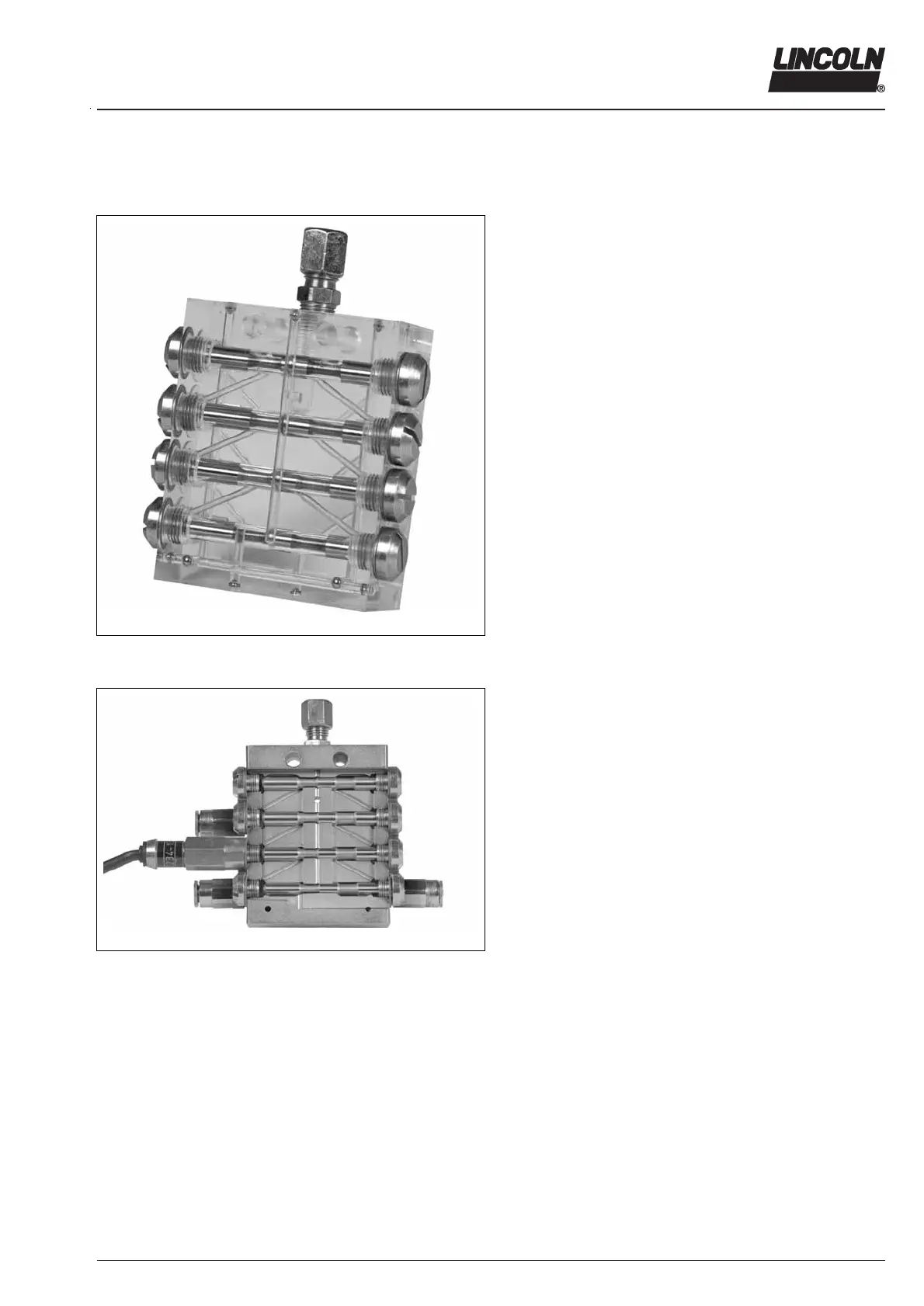
Fig. 9 Metering device type SSV 8 shown as a demonstration
model
Progressive Plunger Metering Devices - General
The progressive metering devices
- are piston-operated metering devices;
- automatically (progressively) dispense the lubricant fed
by the pump to the connected lubrication points;
- model SSV have a lubricant output of 0.2 cm³ per
outlet and piston stroke;
- model SSV M have a lubricant output of 0.07 cm³ per
outlet and piston stroke;
- when one or more outlets are closed (see ”Combining
outlets”) they can dispense a double or multiple lubri-
cant quantity;
- are available with 6 to 12 outlets or up to 22 outlets;
- offer the option of combining several lubrication points
into one centralized lubrication point.
- meter the supplied lubricant into predetermined single
quantities.
- can be monitored visually (SSV and SSV M)or elec-
tronically (only SSV).
Any blockage in a lubrication circuit is indicated by grease
leaking from the respective pressure relief valve.
10002710
Fig. 10 Sectional view of a SSV 8 metering device
Features of a Progressive Metering Device
The term ”progressive” refers to the special features of
the lubricant distribution within the metering devices,
e.g.
- the successive movements of the individual pistons
within the metering device due to the supplied lubricant
being under pressure;
- the pistons move in a predetermined order and the cy-
cles are repeated constantly;
- each piston must have completed its movement fully
before the next piston can be moved, no matter whether
the lubricant is dispensed continuously or intermittently;
- the pistons operate interdependently of one another;
- no lubrication point which is connected to the system is
omitted.



 To Next Page