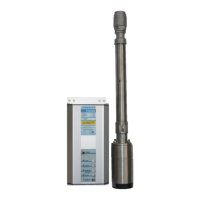
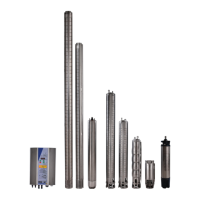
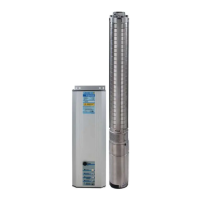
BERNT LORENTZ GmbH & Co. KG
Siebenstücken 24, 24558 Henstedt-Ulzburg, Germany,
Tel (+49) 0 4193 8806-700, Fax -708, www.lorentz.de
Troubleshooting guide for LORENTZ ECDRIVE submersible
All specifications and information are given with good intent, errors are possible and products may be subject to change without notice.
Pictures may differ from actual products depending on local market requirements and regulations.
2 Outer observations
The outer observations can already indicate the cause for the failure so that there is no need to
disassemble the motor. The first outer observation is separated in 3 steps: visual inspection,
electrical inspection and mechanical inspection.
If the outer observation does not show any failures/causes, proceed with a quick running test (2.4 on
page 10) to identify whether the motor is able to run.
Afterwards, an inner investigation could be reasonable (only on specific demand from LORENTZ).
2.1 Visual inspection
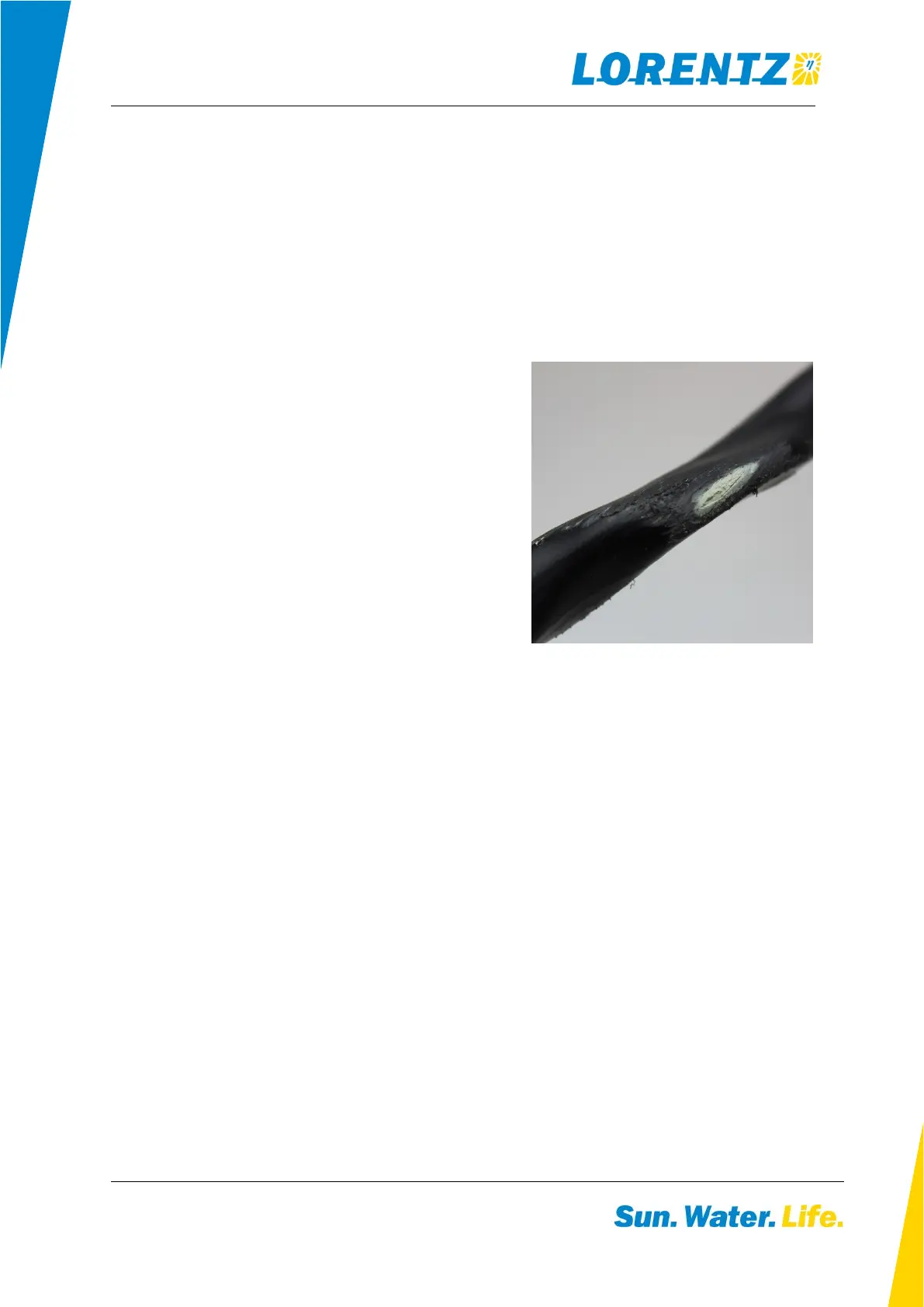
Careless packaging can cause damage on the ECDRIVE. For
example, a broken or deformed rear cover indicates a
wrongly transported or handled motor. This can cause a
leakage or can damage the axial bearing. Sometimes, the
submersible/motor cable gets damaged during installation
in the well, e.g. when the cable is stuck between the edge
of the wellhead and the pump/riser pipe or if the well has
some sharp edges.
Please handle the motor with care and perform the
investigation thoroughly. Any visible damages (like broken
parts, scratches on the cable, etc.) which lead to a failure
of the pump system are normally not covered by
warranty.
2.2 Electrical inspection
The electrical inspection is an important step during the observation. However, the following tests
can just identify failures and are no proof that the motor is in good electrical condition. The test is
split in three sections:
• Check the resistance of the motor phases:
Firstly, the resistance between the motor phases needs to be on the same level. Please go
through the step by step guide in chapter “2.2.1 Check the resistance between the motor
phases” on page 6. If the three resistance values are not on the same level, the windings are
burnt or the cable splice is defective. Plausible cause for this is likely an improper cable splice
installation, lightning, damage on the submersible cable or overheating. Please check the
root cause in chapter “4 Root cause for damages on page 15.


 To Next Page