The Max Power CT25 is a bow thruster designed to enhance the maneuverability of pleasure crafts. It facilitates precise control of the boat, especially in confined spaces, by generating thrust to the port or starboard. The thruster operates with an electronic control system, offering features such as thermal protection and automatic shut-off for safety and longevity.
Function Description
The CT25 bow thruster provides lateral thrust to the bow of a boat, allowing for easier docking, maneuvering in tight marinas, and holding position against wind or current. It consists of an electric motor, a drive leg with a propeller, and an electronic control box that manages the thruster's operation based on input from a control panel. The system is designed for instantaneous demand, providing quick and responsive thrust when needed.
The core of the CT25's operation lies in its electric motor, which drives a propeller housed within a tunnel installed in the boat's hull. When activated, the propeller rotates, creating a water jet that pushes the bow of the boat sideways. The electronic control box acts as the brain of the system, interpreting commands from the control panel and activating the motor accordingly. It also incorporates safety features such as thermal monitoring to prevent overheating of the motor.
Usage Features
The CT25 is designed for ease of use, with various control panel options available, including touch panels, simple joysticks, and double joysticks for combined bow and stern thruster control.
- Switching On/Off: To activate the thruster, users typically push and hold both the red and green buttons on a touch panel for several seconds. For joystick controls, the red button is held while pushing the joystick to the right. The control panel provides audible beeps and LED indicators to confirm activation and deactivation.
- Directional Control: Pushing the red button or inclining the joystick to the left moves the boat to the left, while pushing the green button or inclining the joystick to the right moves the boat to the right. The electronic control box incorporates a time delay between left and right thrust commands to prevent rapid direction changes, which could stress the system. However, there is no delay when thrusting to the same side.
- Automatic Shut-off: A key safety and power-saving feature is the automatic shut-off. If the thruster has not been used for a period of thirty minutes, it will automatically switch itself off after a series of beeps. This prevents accidental activation and conserves battery power.
- Thermal Protection: The thruster motor is equipped with a thermal switch. If the motor overheats during operation, the control panel will emit a beeping sound, and the green LED in the red push-button will flash. This alarm indicates that the motor is approaching its temperature limit. After the alarm sounds, approximately 10 seconds of thruster usage remain before the unit automatically shuts down to prevent damage. The thruster cannot be reactivated until the motor has cooled down.
- Installation Guidelines: For optimal performance, the tunnel should be installed as far forward as possible, with the top of the installed tunnel ideally 110 mm below the waterline. The propeller must be centered within the tunnel and should not protrude. The electric motor should be supported, and the installation area must be dry and well-ventilated to dissipate heat.
- Electrical Considerations: Proper electrical installation is crucial for the CT25's performance and longevity. This includes using appropriate cable sections to minimize voltage drop, installing a manual battery isolator, and, if possible, an electric battery isolator. The control box's positive supply cable must be protected by an 8A fuse. The thruster requires a dedicated battery bank with high CCA outputs, charged by both the main engine's alternator and a battery charger.
Maintenance Features
Regular maintenance is essential to ensure the CT25 operates reliably and efficiently over its lifetime.
- Battery Check: Regularly check the condition and charge of the batteries. Voltage drop is a common cause of rapid deterioration of the relay and can impair thruster performance.
- Electrical Component Inspection: Periodically inspect all electric components, including batteries, connections, and power cables, to ensure they are in good condition and connections are tightened correctly.
- Motor Cleaning: The electric motor should be kept dry and well-ventilated. Dust should be removed from the motor-brushes using compressed air.
- Drive Leg and Propeller Maintenance: The composite drive leg is pre-filled with oil and sealed for its lifetime, requiring no oil changes or anodes. It should not be disassembled, as this voids the warranty. When the boat is out of the water, check the propeller for any obstructions like fishing lines or plastic bags.
- Antifouling: Paint the drive leg and propellers with antifouling, ensuring proper preparation and primer application, to keep them clean and free from marine growth.
- Shaft Lubrication: Annually, after cleaning the outside of the drive leg, coat the drive shaft and the oil seals' stainless steel covers with silicon grease before fitting the propeller. This prevents calcium buildup, which could damage the oil seals. Aggressive solvents should not be used on drive leg seals.
- Professional Servicing: All maintenance, especially any involving the internal components of the thruster or electrical circuits, should be carried out by qualified and authorized personnel. If drive leg oil seals are worn, the drive leg should be replaced with a standard exchange unit.
- Safety Precautions: Before performing any maintenance, ensure that both the control and power circuits are isolated. Flammable products should never be stored near the thruster's electrical components.

 Need help?
 General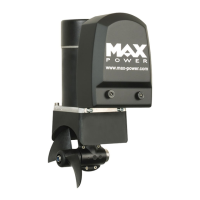

 To Next Page