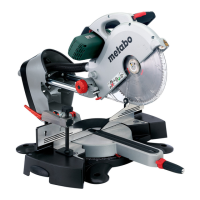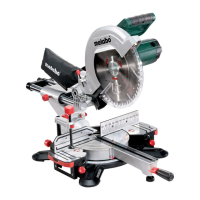
Why does my Metabo KGS 305 motor not run?
- SShannon YoungJul 27, 2025
If the Metabo Saw motor isn't running, the issue might be due to a lack of mains voltage. To resolve this, check the cables, plug, outlet, and mains fuse.
Why does my Metabo KGS 305 motor not run?
If the Metabo Saw motor isn't running, the issue might be due to a lack of mains voltage. To resolve this, check the cables, plug, outlet, and mains fuse.
How to fix stiffness of rotating table on Metabo KGS 305 Saw?
If the rotating table of your Metabo Saw is stiff, saw dust build-up under the rotating table might be the cause. Remove the saw dust.
What to do if my Metabo KGS 305 vibrates heavily?
If your Metabo Saw is vibrating heavily, it could be due to a warped or incorrectly mounted saw blade. Consider replacing or correctly mounting the saw blade.
How to improve the sawing performance of my Metabo KGS 305 Saw?
If your Metabo Saw has little sawing performance, the saw blade might be blunt or not suitable for the material being cut. Another reason might be a warped saw blade. Replace the saw blade.
Why doesn't the crosscut function work on my Metabo Saw?
If the crosscut function on your Metabo Saw isn't working, it could be because the transport locking pin is engaged or the safety lock is activated. Try pulling out the transport locking pin or actuating the safety lock.
Why does my Metabo Saw squeal when starting?
If your Metabo Saw squeals when starting, the drive belt tension might be too low. Retension the drive belt.
Defines intended use, limitations, and materials suitable for cutting with the saw.
Provides essential safety guidelines for operating the machine and avoiding hazards.
Explains the meaning of warning symbols and safety icons displayed on the machine.
Details the protective features and safety mechanisms incorporated into the machine.
Step-by-step guide for setting up the machine, including unpacking and placement.
Instructions for safely moving and securing the machine for transport.
Guidance on connecting a dust extraction system for safety and cleanliness.
Instructions for safely connecting the machine to the electrical power supply.
Procedure for performing basic perpendicular cuts on various materials.
Techniques for safely cutting small or narrow workpieces, including potential hazards.
Instructions for making angled cuts using the rotating table.
Procedure for performing angled cuts on the workpiece surface using the tilting motorhead.
Guidance on making cuts that combine mitre and bevel angles simultaneously.
Steps for creating grooves or channels of a specific depth in workpieces.
Detailed steps for safely replacing the saw blade, including precautions.
Procedure for checking and adjusting the tension of the drive belt for optimal performance.
Instructions for replacing the table insert (kerf plate) to maintain cutting precision.
Covers adjustment procedures for fence, mitre angle indicator, and bevel tilt stops.
Guidance on cleaning the machine to maintain its functionality and appearance.
Recommendations for safely storing the machine when not in use.
Routine checks and maintenance tasks to be performed before and periodically.
Lists specifications, tooth count, and applications for different saw blades.
Defines intended use, limitations, and materials suitable for cutting with the saw.
Provides essential safety guidelines for operating the machine and avoiding hazards.
Explains the meaning of warning symbols and safety icons displayed on the machine.
Details the protective features and safety mechanisms incorporated into the machine.
Step-by-step guide for setting up the machine, including unpacking and placement.
Instructions for safely moving and securing the machine for transport.
Guidance on connecting a dust extraction system for safety and cleanliness.
Instructions for safely connecting the machine to the electrical power supply.
Procedure for performing basic perpendicular cuts on various materials.
Techniques for safely cutting small or narrow workpieces, including potential hazards.
Instructions for making angled cuts using the rotating table.
Procedure for performing angled cuts on the workpiece surface using the tilting motorhead.
Guidance on making cuts that combine mitre and bevel angles simultaneously.
Steps for creating grooves or channels of a specific depth in workpieces.
Detailed steps for safely replacing the saw blade, including precautions.
Procedure for checking and adjusting the tension of the drive belt for optimal performance.
Instructions for replacing the table insert (kerf plate) to maintain cutting precision.
Covers adjustment procedures for fence, mitre angle indicator, and bevel tilt stops.
Guidance on cleaning the machine to maintain its functionality and appearance.
Recommendations for safely storing the machine when not in use.
Routine checks and maintenance tasks to be performed before and periodically.
Lists specifications, tooth count, and applications for different saw blades.
| Input power | 2000 W |
|---|---|
| Power source | AC |
| Blade bore | 30 mm |
| Blade diameter | 305 mm |
| Dust bag included | No |
| Saw blade included | Yes |
| Idle speed (max) | 3850 RPM |
| Bevel setting (left) | 47 ° |
| Miter setting (left) | 50 ° |
| Miter setting (right) | 60 ° |
| Cutting capacity 45° miter | 226 x 60 mm |
| Dust extraction | - |
| Weight | 29000 g |
|---|