1716
3.0 MAINTENANCE
When perfoming maintenance on your stove, always protect yourself, using safety goggles
and gloves.
3.1 Exterior Maintenance
The stove surface is painted with heat-resistant Senotherm paint. It is best kept clean by vacuuming
with a soft brush attachment or by wiping with a lint-free cloth.
Over a period of time, the painted surface may become slightly grey. A can of Morsø touch-up
spray paint should be available from your stove supplier. This can be applied - in accordance
with the instructions - in just a few minutes. When first firing after touching up, the stove will
give off a slight smell as the paint cures. Make sure to ventilate the room well during this phase.
3.2 Internal maintenance
Glass
If the stove is generally run at the correct temperatures, there should be little or no dirt on the
glass. If dirt does settle during lighting, most will burn off as temperatures increase.For heavier
deposits that will not burn off, use morsø glass cleaner, applied when the glass is cold, in
accordance with the instructions. Never use abrasive cleaners on the glass surface.
Reasons for dirty glass
· Fuel too wet
· Logs too large or not split
· Combustion temperatures too low
Replace broken glass immediately.
Do not operate your stove if the glass in the door is damaged.
If you need to replace the glass, it should be replaced with the high temperature ceramic class
supplied by Morsø, contact your Morsø dealer.
Installing the glass
Never install the glass when the stove is in function.
To reduce the risk of breaking the glass, avoid striking the glass or slamming the
door.
Internal service parts
The flame-path equipment - consisting of the ashpan, grate, firebricks, Cast iron fire plates,
glass, baffle and flue collar - are subject to the extremes of heat produced by the fire. From
time to time, one or other of these parts may need replacing as a matter of routine maintenance.
Ceramic glass replacement
Ceramic glass cannot be recycled because it has a higher melting point that ordinary glass.
If ceramic glass is mixed with ordinary glass, the raw material is spoiled, and the reclaiming
process may be halted. Take care that the ovenproof glass does not end up among ordinary
recycled waste. That will be a great benefit to the environment.
Note: Should be han- ded in to a recycling sta-
tion as ceramic glass.
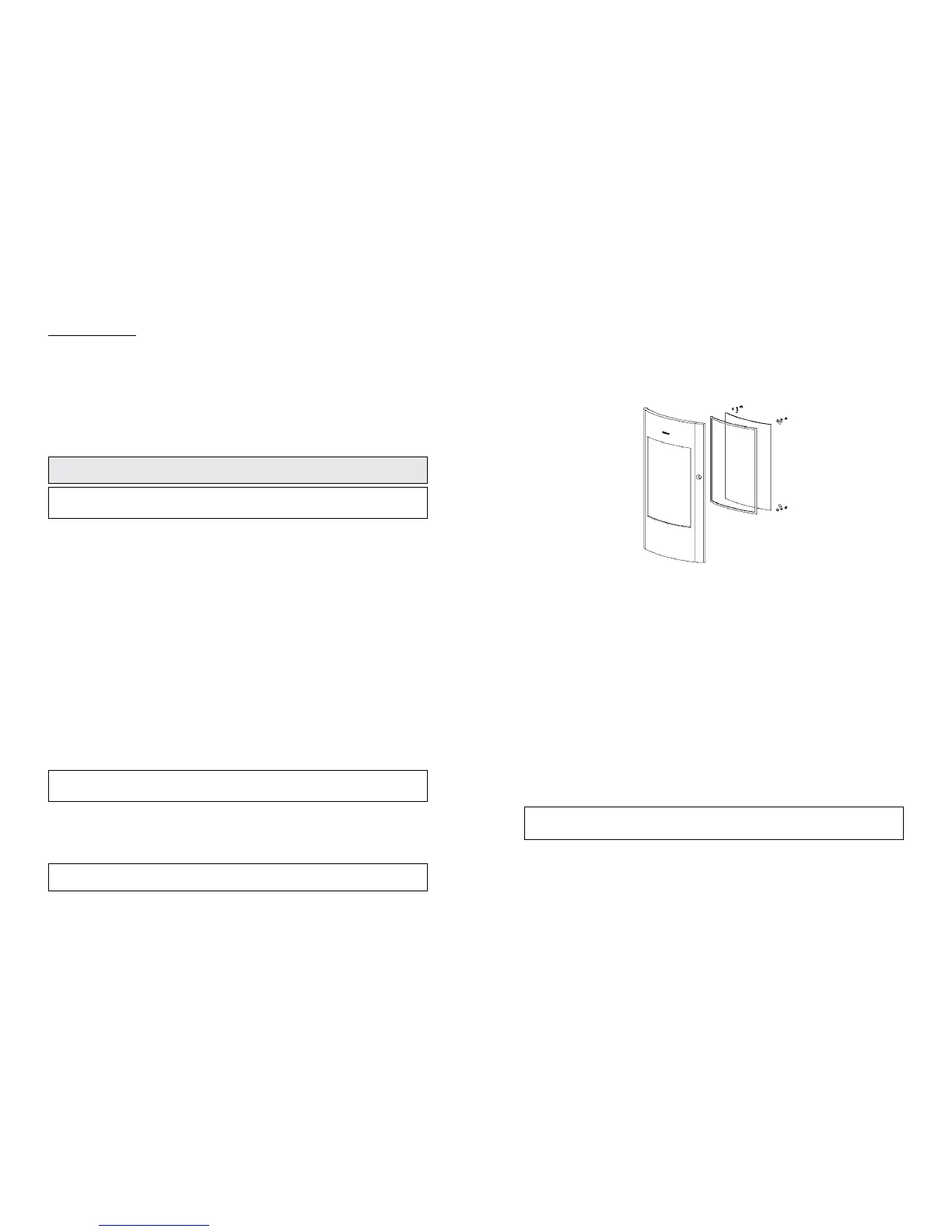
1. When you open the door, you will find two small M4 unbraco screws, one in each hinge. Unscrew
the two screws, lift the door off the hinges and place it face down on a sheet of cardboard or
other nonabrasive fabric.
2. Unscrew the 4 bolts that secure the glass. (In the event that a bolt sheers off when being
unscrewed, remove the remaining body of the bolt by drilling down its centre with 1/8 inch high
speed steel drill bit. Smaller drill bits may be successful, but do not use a lager bit. Make sure
the bit stays away from the edges of the bolt - this may damage the thread in the cast iron).
3. Remove the old ceramic gaskets and clean up the surface underneath with wire wool or emery
paper to remove loose particles.
4. Place the new gasket material in position around the perimeter of the window area, making
sure to pinch them to the length in such a way that they make a continuous seal. Leave no gaps.
5. Place the new glass in position on the strips and screw home the fresh bolts and fitting by hand.
6. Finally, give each of the bolts an extra half turn or so. The glass should held tight enough by that
cleaning will not dislodge it. Do not over-tighten the bolts as this may put excessive pressure
on the glass, resulting in cracking - important!
Rules of woodburning
If you want less heat, put fewer logs on the stove and reduce the amount of air. It is still important
to maintain a good layer of embers.
Less heat - less wood - less air
Greater heat - more wood - more air
Soot deposits will settle on the glass if the stove is run too slowly or if your wood is
not well seasoned.
We would strongly recommend that you do not leave your stove alit at night. It harms the envi-
ronment, and constitutes very poor use of the wood, as the gases in the wood do not ignite at
the low temperature, but settle as soot (unburned gases) in the chimney and stove instead.


 To Next Page