EasyManua.ls Logo

MTD 123cc - User Manual

MTD 123cc
20 pages
Print Icon
To Next Page IconTo Next Page
Loading...
MTD LLC, P.O. BOX 361131 CLEVELAND, OHIO 44136-0019
Printed In USA
Safe Operation Practices • Set-Up • Operation • Maintenance • Troubleshooting • Warranty
WARNING
READ AND FOLLOW ALL SAFETY RULES AND INSTRUCTIONS IN THIS MANUAL
BEFORE ATTEMPTING TO OPERATE THIS MACHINE.
FAILURE TO COMPLY WITH THESE INSTRUCTIONS MAY RESULT IN PERSONAL INJURY.
Op e r a t O r s Ma n u a l
Form No. 769-06051A
(March 3, 2011)
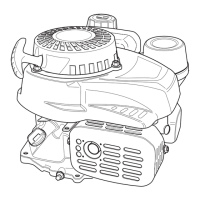
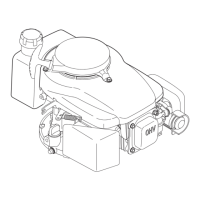
123cc OHV Horizontal Shaft Engine
Question and Answer IconNeed help?

Do you have a question about the MTD 123cc and is the answer not in the manual?

Summary

Safe Operation Practices

Training

Instructions for safe operation and understanding the manual.

Preparation

Steps to take before operating the engine, including inspection and attire.

Safe Handling of Gasoline

Precautions and procedures for safely refueling the engine.

Safety Symbols and Warnings

Explanation of safety symbols and critical warnings for engine operation.

Set-Up

Record Product Information

Record model and serial number for technical support and dealer reference.

Gas & Oil

Instructions for adding gasoline and checking engine oil levels.

Checking the Oil

Detailed steps for checking engine oil level on different engine models.

Checking Oil Level on Engines with Quarter-Turn Oil Fill Caps

Specific instructions for checking oil with quarter-turn fill caps.

Checking Oil Level on Engines with Threaded Oil Fill Caps

Specific instructions for checking oil with threaded fill caps.

Filling Oil Sump

Procedure for adding the correct amount of oil to the engine.

Adding Fuel

Safe procedures for refueling the engine with gasoline.

Operation

Pre-Operation Check

Essential checks before starting the engine for safety and longevity.

Starting the Engine

Detailed steps and warnings for safely starting the engine.

Recoil Starter

Instructions for using the manual recoil starter mechanism.

Stopping the Engine & Short Term Storage

Procedures for safely stopping the engine and preparing for short-term storage.

After the Engine is Stopped

Actions to take after the engine has been shut down.

Maintenance

Maintenance Schedule

Schedule of required periodic inspections and adjustments for the engine.

Checking and Changing the Engine Oil

Procedures for checking and changing the engine oil.

Oil Recommendations

Guidance on the type and viscosity of oil for the engine.

Oil Fill Cap;Dipstick

Details on accessing and using the oil fill cap and dipstick.

Spark Plug Service

Instructions for inspecting, cleaning, gapping, and replacing the spark plug.

Air Filter (If so equipped)

Procedures for cleaning or replacing the air filter element.

Cleaning the Engine

Steps for cleaning dirt and debris from the engine.

Transporting Your Engine

Safety instructions for transporting the engine, including fuel tank handling.

Storing Your Engine

Guidance for short-term and seasonal storage of the engine.

Fuel Storage

Safety warnings and procedures for storing fuel and the engine with fuel.

Extended Storage - Draining the Fuel

Procedures for draining the fuel tank for extended storage.

Oil Cylinder Bore

Lubricating the cylinder bore for protection during storage.

Off-Season Storage

Detailed steps for preparing the engine for off-season storage.

Removing From Storage

Steps to prepare the engine after storage for operation.

Troubleshooting

Engine Fails to start

Common causes and remedies for an engine that will not start.

Engine runs erratically

Causes and solutions for an engine that runs unevenly or poorly.

Engine overheats

Identifying and resolving the cause of engine overheating.

Warranty

Replacement Parts

List of engine parts and their corresponding part numbers.

Overview

This document is an Operator's Manual for a 123cc OHV Horizontal Shaft Engine, specifically Form No. 769-06051A, dated March 3, 2011, published by MTD LLC. It covers safe operation practices, set-up, operation, maintenance, troubleshooting, and warranty information for the engine.

Function Description:

The manual describes a 123cc OHV (Overhead Valve) horizontal shaft engine designed to power various outdoor equipment. While the specific application is not detailed, the engine's design suggests it is intended for machines like snow throwers, dethatchers, jet sweeps, tillers, and chipper/shredders, as indicated by the oil viscosity chart. The engine is designed for reliable performance when properly set up, operated, and maintained. It features a recoil starter for manual starting and may include an ignition key for certain models. The engine's speed is regulated by a governor, which controls the maximum safe operating speed.

Important Technical Specifications:

  • Engine Type: 123cc OHV Horizontal Shaft Engine.
  • Oil Capacity: 600 ml / 20 oz.
  • Recommended Oil: 4-stroke, high detergent, premium quality motor oil certified to meet or exceed U.S. automobile manufacturer's requirements for service classification of a minimum level SF or SG (or higher, such as SJ, SL, SM grades).
  • Fuel Type: Automotive gasoline (unleaded or low leaded) with a minimum of 87 octane. Gasoline with up to 10% ethanol or 15% MTBE (Methyl Tertiary Butyl Ether) can be used. E85 gasoline, oil/gasoline mixtures, dirty gasoline, or gasoline over 30 days old without stabilizer are explicitly not recommended.
  • Spark Plug Gap: 0.02-0.03 inches (0.60-0.80 mm).
  • Emissions Compliance: Certified to comply with California and federal EPA emission regulations for SORE (Small Off Road Equipment). May include emission control systems like Engine Modification (EM), Oxidizing Catalyst (OC), Secondary Air Injection (SAI), and Three Way Catalyst (TWC).
  • Altitude Performance: Engine performance should not be affected at altitudes up to 7,000 feet (2,134 meters). For higher elevations, contact an Authorized MTD Servicing Dealer.

Usage Features:

  • Starting: The engine is primarily started using a recoil starter handle. Users are instructed to pull the cord slowly until resistance is felt, then rapidly with a full arm stroke. Some models may have an ignition key.
  • Choke Control: A choke control helps in starting the engine, especially when cold, by closing the choke plate on the carburetor. It should be moved to "FULL CHOKE" for starting and gradually to "NO CHOKE" as the engine warms up.
  • Throttle Control: If present, a throttle control regulates engine speed, typically with "Rabbit" for fastest and "Turtle" for slowest, and a "STOP" position to shut off the engine. If no throttle control is present, the engine runs at maximum performance speed.
  • Fueling: Fueling should be done outdoors in a well-ventilated area, with the engine off and cooled for at least two minutes. The fuel tank should not be overfilled, typically to a "fuel full" indicator mark or 1/2 inch below the filler neck.
  • Oil Checking: Oil level should be checked on a level surface with the engine stopped, using a dipstick. Instructions vary slightly for quarter-turn and threaded oil fill caps, but the goal is to keep the oil level between the "H" (high) and "L" (low) marks.
  • Safety Features: The manual emphasizes numerous safety warnings, including those related to flammable gasoline, carbon monoxide, electrical shock, and hot surfaces (muffler). It also warns against operating the engine indoors or in poorly ventilated areas, and against modifying the engine or its governor settings.

Maintenance Features:

  • Maintenance Schedule: A detailed schedule outlines maintenance tasks at different intervals:
    • First 5 Hours: Change engine oil.
    • Each Use or Every 5 Hours: Check engine oil level, clean around muffler.
    • Every Season or 25 Hours: Check air cleaner (if equipped), clean engine shroud (if equipped).
    • Every Season or 50 Hours: Change engine oil, check spark plug.
    • Every Season or 100 Hours: Service air cleaner (if equipped), replace spark plug.
  • Oil Change: The manual provides instructions for draining old oil and refilling with new oil, emphasizing proper disposal. It recommends changing oil after the first 5 operating hours and then every 50 hours.
  • Air Filter Service: For engines with air filters, paper elements should be replaced annually (or more often in dusty conditions), and foam elements cleaned with liquid detergent and water. Running the engine without an air cleaner is warned against.
  • Spark Plug Service: Spark plugs should be checked yearly or every 100 operating hours. This involves removing the plug, inspecting for wear or damage, cleaning with a wire brush, gapping to 0.02-0.03 inches, and reinstalling securely.
  • Engine Cleaning: The engine should be cleaned periodically to remove dirt and debris, especially around the muffler and cooling fins, to ensure adequate cooling and reduce fire risk. Water spraying is discouraged to prevent fuel contamination.
  • Fuel System Maintenance: To prevent fuel deterioration and carburetor problems, fuel stabilizer should be added for short-term storage (30-90 days), or the fuel tank should be drained for extended storage (over 90 days).
  • Off-Season Storage: Comprehensive instructions for off-season storage include draining fuel, changing oil, adding oil to the cylinder bore for corrosion prevention, cleaning the engine, and storing it in a clean, dry, well-ventilated area away from ignition sources and high humidity.
  • Troubleshooting: A troubleshooting guide helps diagnose common issues like engine failure to start, erratic running, and overheating, providing potential causes and remedies.
  • Replacement Parts: A table lists specific replacement part numbers for air filters, spark plugs, fuel caps, keys, and fuel filters for different engine models (161-VH, 161-V0, 161-JWA). Contact information for ordering parts and accessing manuals is provided.

MTD 123cc Specifications

General IconGeneral
BrandMTD
Model123cc
CategoryEngine
LanguageEnglish

Related product manuals