EasyManua.ls Logo

MTD 340 Series - User Manual

MTD 340 Series
24 pages
Print Icon
To Next Page IconTo Next Page
Loading...
Operator's Manual
Front Tine Tillers
Model Series
340 Thru 390
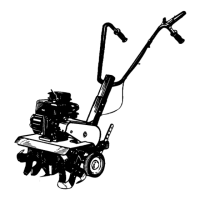
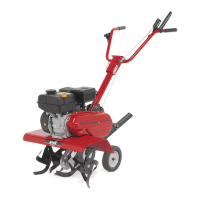
Model Series 390 Shown
IMPORTANT: READ SAFETY RULES AND INSTRUCTIONS CAREFULLY
Warning: This unit is equipped with an internal combustion engine and should not be used on or near any unimproved forest-
covered, brush-covered or grass-covered land unless the engine's exhaust system is equipped with a spark arrester meeting
applicable local or state laws (if any), If a spark arrester is used, it should be maintained in effective working order by the operator,
In the State of California the above is required by law (Section 4442 of the California Public Resources Code), Other states may have
similar laws, Federal laws apply on federal lands, A spark arrester for the muffler is available through your nearest engine authorized
service dealer or contact the service department, P,O, Box 361131 Cleveland, Ohio 44136-0019,
MTD LLC, P.O. BOX 361131 CLEVELAND, OHIO 44136-0019
PRINTED IN U.S.A. FORM NO. 770-10135E
(10/05)
Question and Answer IconNeed help?

Do you have a question about the MTD 340 Series and is the answer not in the manual?

Summary

Finding Your Model Number

Customer Support Options

Important Safe Operation Practices

Training

Instructions and warnings for safe user training.

Preparation

Safety precautions and checks before operating the tiller.

Operation

Safety guidelines and procedures during tiller operation.

Tiller Maintenance and Storage

Your Responsibility

Operator's duties for safe and proper use of the tiller.

Tiller Assembly Instructions

Removing Unit From Carton

Procedure for safely unpacking the tiller from its packaging.

Attaching Tailpiece And Depth Stake

Steps to attach the tailpiece and depth stake.

Attaching Handle Assembly

Instructions for assembling the tiller's handle.

Attaching Clutch Control Cable(s)

Connecting the forward and reverse clutch control cables.

Final Clutch Adjustment

Procedure for adjusting the clutch controls.

Know Your Tiller Controls

Throttle Control

Explanation of the throttle control lever's function.

Choke Lever

How to use the choke lever for starting.

Primer Button

Instructions for using the primer button.

Forward Tine Engagement Handle

Operation of the forward tine engagement handle.

Reverse Tine Drive Clutch Lever

Operation of the reverse tine drive clutch lever.

Operating Your Tiller

Gas and Oil Fill up

Procedures for filling the engine with gasoline and oil.

Starting Engine

Step-by-step guide to starting the tiller's engine.

To Stop Engine

Procedure for safely stopping the tiller's engine.

Wheel Position

Adjusting wheel position for optimal tilling.

Controlling Speed And Tilling Depth

Adjusting depth stake and wheel yoke for depth and speed control.

Handle Pressure

How handle pressure affects tilling depth and speed.

Transporting The Tiller

Instructions for safely transporting the tiller.

Cultivating

Specific settings and techniques for cultivating.

Tiller Adjustments

Engine Adjustment

Adjusting engine settings as per the engine manual.

Wheel Adjustments

Adjusting the tiller's wheel yoke and position.

Clutch Control Adjustments

Adjusting the clutch controls for proper engagement.

Depth Stake Adjustment

Adjusting the depth stake for desired tilling depth.

Tine Width Adjustment

Adjusting the tiller's working width.

Tiller Maintenance

Engine

Engine maintenance tasks and recommendations.

Lubrication

Lubrication points and schedule for the tiller.

Cleaning Tine Area

How to clean the tiller's tines and shield.

Belt Replacement

Instructions for replacing drive belts.

Off-Season Storage

Steps for preparing the tiller for long-term storage.

Tiller Troubleshooting Guide

Illustrated Parts Lists

Model Series 340 Thru 345

Parts list and diagrams for the 340-345 model series.

Model Series 390

Parts list and diagrams for the 390 model series.

Manufacturers Limited Warranty

Overview

This document is an operator's manual for Front Tine Tillers, specifically covering Model Series 340 through 390. It provides comprehensive instructions for assembling, operating, and maintaining these tillers, emphasizing important safety practices. The manual is designed to help users achieve optimal performance and ensure the longevity of their equipment.

The primary function of these tillers is to prepare soil for planting, cultivate gardens, furrow, and mulch. They are engineered to simplify strenuous gardening tasks, making them suitable for both vegetable and flower gardens. The Model Series 340 through 345 tillers feature forward tine drive only, while the Model Series 390 offers both forward and reverse tine drive, providing greater versatility for different tilling needs.

Usage Features:

The manual details several key usage features that enhance the tiller's functionality and ease of operation:

  • Handle Assembly: The handle assembly can be adjusted to three different height positions, allowing operators to select a comfortable working posture. This adjustment is crucial for reducing fatigue during extended use.
  • Clutch Control Cables: The tillers are equipped with clutch control cables for engaging the tines. The Model Series 390 includes separate forward and reverse clutch cables, enabling precise control over tine movement. Proper adjustment of these cables is essential for safe and effective operation, preventing unintended tine rotation when the clutch is disengaged.
  • Throttle Control: The throttle control lever, located on the engine, manages engine speed and acts as the engine stop. Operators can adjust the throttle from START to FAST for maximum power during deep tilling, or to SLOW for transport and lighter tasks.
  • Choke Lever/Primer Button: For starting a cold engine, the Model Series 340/390 tillers feature a choke lever to enrich the fuel mixture. Model 345 tillers use a primer button for the same purpose. These features ensure reliable starting in various conditions.
  • Forward Tine Engagement Handle: This handle, located beneath the tiller handle, engages the tines when squeezed against the tiller handle. Releasing it stops the tines, providing immediate control over the tilling action.
  • Reverse Tine Drive Clutch Lever (Model Series 390 Only): For the Model Series 390, a dedicated lever on the handle panel allows operators to move the tines in reverse. This feature is particularly useful for maneuvering the tiller in tight spaces or backing out of difficult areas. The manual explicitly warns against engaging both forward and reverse tine drives simultaneously to prevent damage to the belt drives and engine stalling.
  • Depth Stake: The depth stake is a critical component that controls the tilling depth and acts as a brake for the tiller. By adjusting its position, operators can vary the working depth and forward speed of the machine. Raising the depth stake reduces working depth and increases forward speed, while lowering it increases depth and reduces speed.
  • Wheel Yoke Adjustment: The wheel yoke can be positioned for shallow tilling, cultivating, or deep tilling. For shallow tilling and transport, the wheels are moved forward, increasing forward speed. For deep tilling, the yoke is turned around, decreasing forward speed. This adjustment helps maintain a level unit, which is vital for proper engine operation as the tines penetrate the ground.
  • Tines and End Caps: The tilling tines are used for cultivating, furrowing, and preparing garden beds. Model Series 390 tillers also include end caps, which are removable and prevent tilled soil from overflowing onto unwanted areas.
  • Tine Width Adjustment: The tilling width can be adjusted from 22 inches to 24 inches by sliding the outer tines out. For cultivation, the outer tines can be completely removed to reduce the width to 13 inches, allowing for more precise work between plant rows.
  • Handle Pressure: Operators can further control tilling depth and travel speed by applying varying pressure on the handles. Downward pressure reduces working depth and increases forward speed, while upward pressure increases working depth and reduces forward speed.

Maintenance Features:

The manual outlines several maintenance procedures to ensure the tiller remains in good working condition:

  • Engine Service: Regular maintenance of the engine, including oil changes and air cleaner service, is crucial. The manual directs users to the separate engine manual for detailed instructions on these tasks. It emphasizes the importance of not running the engine without a completely assembled air cleaner.
  • Spark Plug Maintenance: The spark plug should be cleaned and the gap reset every 25 hours of operation. Replacement is recommended at the start of each tilling season, with specific plug type and gap information found in the engine manual.
  • Engine Cleaning: The engine should be cleaned regularly with a cloth or brush to ensure proper air circulation and prevent overheating. All dirt and combustible debris must be removed from the muffler area.
  • Lubrication: All moving parts and pivot points, including the belt cover, should be lubricated at least once a season with SAE 30 engine oil. The chain case is pre-lubricated and sealed at the factory, requiring no additional lubrication.
  • Cleaning Tine Area: The underside of the tine shield should be cleaned after each use, as wet dirt is easier to remove. After rinsing, the tiller should be towel-dried and a light coat of oil or silicone applied to prevent rust and water damage. A warning is given against using pressure washers, as water can penetrate tight areas and cause serious damage.
  • Belt Replacement: The tillers use special Kevlar Tensile belts, which should be replaced with manufacturer-approved parts rather than off-the-shelf belts. The manual provides detailed steps for removing and replacing both the reverse drive belt (Model Series 390 only) and the forward drive belt (all models), including instructions for adjusting the clutch control after replacement.
  • Off-Season Storage: For periods longer than 30 days, specific storage steps are recommended. These include thoroughly cleaning and lubricating the tiller, referring to the engine manual for engine storage instructions, wiping tines with an oiled rag to prevent rust, and storing the tiller in a clean, dry area away from corrosive materials like fertilizer. Rustproofing with light oil or silicone is advised for equipment stored in unventilated or metal sheds.

The manual strongly emphasizes safety throughout, with warnings about rotating parts, fueling procedures, and operating conditions. It also provides a troubleshooting guide to help users diagnose and resolve common issues, such as engine starting problems, erratic running, overheating, and tines not engaging. This comprehensive approach ensures that operators can safely and effectively use and maintain their Front Tine Tillers.

MTD 340 Series Specifications

General IconGeneral
Number of Tines4
Tine MaterialSteel
Starting SystemRecoil
Forward Speeds1
Engine Type4-cycle
Tilling Depth8 inches

Related product manuals