
 To Next Page
M
Mr. Kirk MilesSep 12, 2025
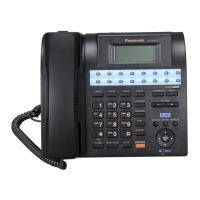
What to do if line indicators on Panasonic KX-TS4200 do not work?
- JJoshua WatsonSep 12, 2025
If the line indicators on your Panasonic Telephone do not work properly, check the connections.

What to do if line indicators on Panasonic KX-TS4200 do not work?
If the line indicators on your Panasonic Telephone do not work properly, check the connections.
What to do if I cannot dial on my Panasonic Telephone?
If you cannot dial on your Panasonic Telephone, check whether the dialing mode selection is correct.
What to do if I cannot hear a dial tone on my Panasonic KX-TS4200 Telephone?
If you cannot hear a dial tone on your Panasonic Telephone, check the connections and ensure the telephone line cord is properly connected. If the issue persists, disconnect the unit and connect a known working telephone. If the working telephone operates properly, contact service personnel to have the unit repaired. If the working telephone does not operate properly, contact your telephone service provider.
How to troubleshoot Panasonic KX-TS4200 that does not work?
If your Panasonic Telephone is not working, check the connections. Unplug the AC adaptor to reset the unit, then reconnect the adaptor and try again.
Why can't I save a contact in my Panasonic KX-TS4200 Telephone phonebook?
If you cannot store a name and phone number in the phonebook of your Panasonic Telephone, do not pause for over 30 seconds while programming, and make sure that the unit is in standby mode.
What to do if my Panasonic KX-TS4200 Telephone doesn't work during a power outage?
During a power failure with your Panasonic Telephone, ensure that a battery has been installed properly. The battery may have been discharged, in that case, replace the battery with a new one.
Why is the caller's information not displayed on my Panasonic Telephone?
If the caller’s information is not displayed on your Panasonic Telephone, you may not have subscribed to Caller ID service, so contact your telephone company to subscribe. If your unit is connected to additional telephone equipment, disconnect the unit from the equipment and plug it directly into the wall jack. If your unit is connected to a telephone line with DSL service, it is recommended to connect a noise filter between the unit and the telephone line jack. The name display service may not be available in some areas, so contact your telephone company for details. Other telephone equipment may be interfering with this unit, so disconnect the other equipment and try again. The caller may have requested not to send caller information. If a call is being transferred to you, the caller inf...
Why does my Panasonic KX-TS4200 Telephone display return to standby mode?
If the display returns to standby mode while viewing the phonebook or caller list on your Panasonic Telephone, do not pause for over 30 seconds while searching.
Why can't I dial an edited number from the caller list on my Panasonic KX-TS4200?
If you cannot dial the phone number edited in the caller list on your Panasonic Telephone, the phone number you dialed might have an incorrectly edited pattern (for example, the long distance “1” or the area code is missing). Edit the phone number with another pattern.
Why can't I use my headset with my Panasonic Telephone?
If you cannot have a conversation using the headset on your Panasonic Telephone, make sure that {HEADSET} is pressed and that the headset is plugged into the headset jack properly.
Details about included and optional accessories for the phone.
Crucial safety precautions to reduce risks of fire, electric shock, or injury.
Guidelines for optimal operation and routine care of the telephone unit.
Explains symbols and button notations used throughout the manual.
Information on how the unit's display shows date, time, and caller ID.
Identifies and labels all physical buttons and indicators on the telephone unit.
Step-by-step guide for installing the backup battery for power failure support.
Instructions on how to position the unit for desk or wall mounting.
Guide on connecting the handset, handset cord, and AC power adaptor.
How to connect units using parallel or series wiring for two-line jacks.
Specific wiring diagram for connecting two separate two-line telephone jacks.
Guide for connecting four single-line telephone jacks using adaptors.
Instructions for connecting the phone when using a DSL service, including noise filters.
How to configure line groups for multiple line usage and extensions.
Connecting external devices like computers or modems via the phone's jacks.
How to select the display language between English and Spanish.
Assigning an extension number for intercom functionality.
Steps to set the correct date and time on the telephone unit.
How to set the dialing mode (Tone or Pulse) for different line services.
Instructions for making calls using the handset or speakerphone.
How to answer incoming calls using the handset or speakerphone.
Managing ringer settings and activating the Do Not Disturb feature.
Handling multiple calls, call privacy, and putting calls on hold.
Using MUTE, FLASH buttons, and understanding flash time and temporary tone dialing.
Guide to entering names and phone numbers into the phonebook.
Copying entries from the phonebook to speed dial buttons.
Transferring numbers from the redial list to the phonebook.
How to search and dial numbers stored in the phonebook.
Modifying existing entries in the phonebook.
Procedure for deleting a single entry from the phonebook.
Using stored phonebook entries to dial numbers while on a call.
Setting the preference for single-button dialing (CO Call or Intercom DSS).
Instructions for storing and modifying speed dial entries.
How to delete a specific entry from the speed dial list.
Procedures for making calls using speed dial based on preference settings.
Setting up and using the intercom feature between extensions.
Steps to initiate an intercom call using handset or speakerphone.
How to receive and answer intercom calls.
How to page a specific extension for broadcast communication.
Instructions for paging all extensions simultaneously.
Using the intercom to monitor a room remotely.
Procedures for transferring outside calls to other extensions.
Setting up conference calls with multiple parties.
Overview of Caller ID compatibility and subscription requirements.
How caller information appears on the display for incoming calls.
Viewing and managing the list of received calls.
How to redial numbers directly from the caller list.
Modifying phone numbers in the caller list for accurate redialing.
Programming home and local area codes for display and dialing.
Saving caller details from the Caller ID list into the phonebook.
Copying caller information directly to speed dial entries.
How to delete specific caller records from the list.
Overview of customizable features and their default settings.
Settings related to Speed Dial, Language, Extension, Date/Time, Auto Mute, Tone/Pulse, Flash Time, Hold Reminder, Handsfree Mode, Prime Line.
Settings for Ringer, Line Group, Message Display, Area Codes, and Reset All.
Explanation of the automatic answering service offered by the telephone provider.
How message waiting indicators function when Voice Mail is active.
Options to turn the message waiting indicators on or off.
Procedure to clear the message waiting indicators from the display.
Information on using and connecting an optional headset.
Contact details for ordering accessories and customer support.
Step-by-step instructions for mounting the unit on a wall.
How to connect an additional standard phone to the unit.
Explains common display messages and their causes/solutions.
Common problems and solutions for general use, programmable settings, and calls.
Troubleshooting specific issues related to Caller ID display and functionality.
Regulatory compliance information, FCC rules, and network connection details.
Technical details including dimensions, weight, power consumption, and operating environment.
Directory of customer service contacts and web resources.
Details of the limited warranty coverage, terms, and service procedures.

 General