PART 8: MAINTENANCE AND SERVICE
PB1319 (CAT. NO. 5296 ) —131— 22-01691 (R02/02)
Don’t forget to check between dual wheels. If you find wheel dam-
age, have an expert tire service repair it.
• Maximum tire pressure is indicated on the sidewall of each tire.
• Check pressure only when the tires are cool. Warm or hot tires
cause pressure buildup and will give you an inaccurate reading.
So never deflate a warm tire to the specified pressure.
• Lower tire pressure does not give you more traction on ice or
snow. This is an old myth that refuses to die. Underinflation actu-
ally reduces traction, steering control and tire load capacity.
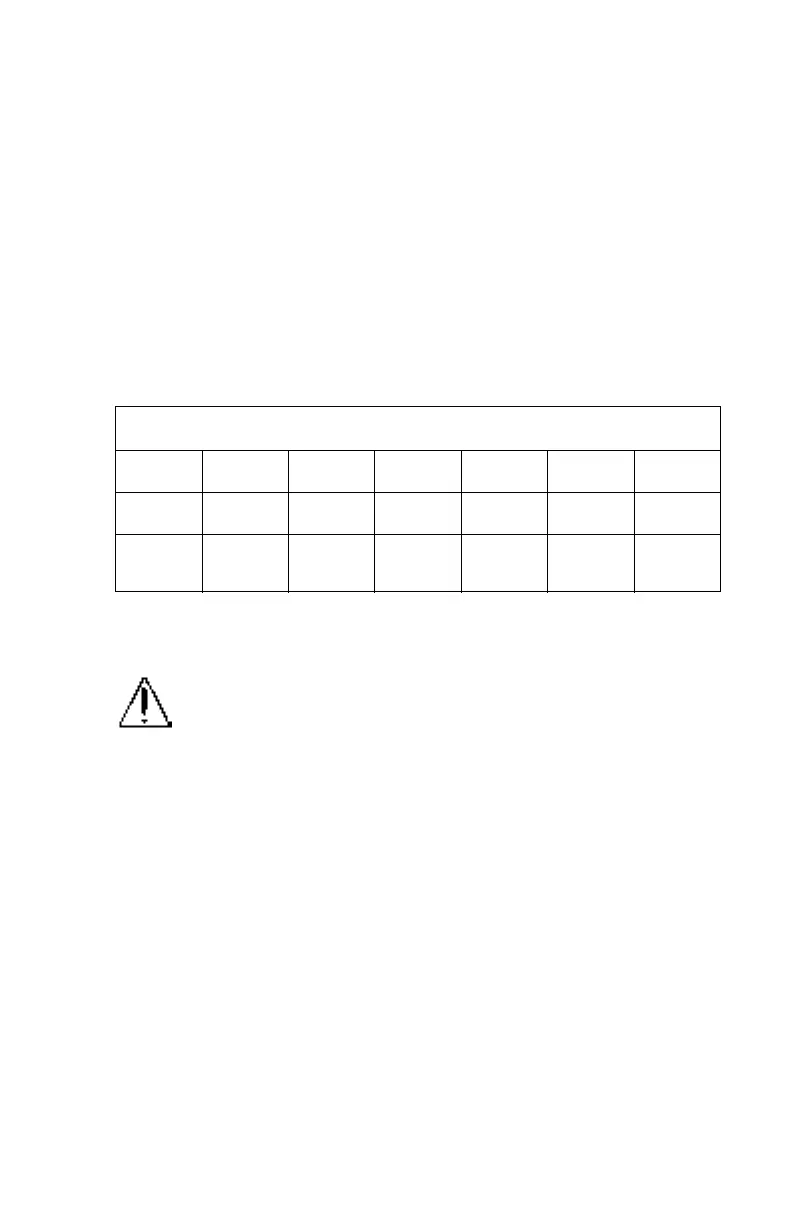
2. Overloaded tires. Overloading your truck is as damaging to your
tires as underinflation. The following chart shows how neglect or
deliberate abuse can affect the life of your tires.
3. Overinflated tires. Too much air pressure reduces the tire tread
contact area and results in rapid wear in the center of the tread.
The chart that follows gives you the right load and inflation rates for
different tire sizes. Please follow it for the safest and most economi-
cal use of your tires.
4. Matching tires. Be sure to buy matched tires for your vehicle,
especially on the rear axles. Mismatched tires can cause stress
between axles and cause the temperature of your axle lubricant to
get too hot. Matched tires will help your driveline last longer and
will give you better tire mileage.
EFFECT OF LOAD PRESSURE ON TIRE LIFE
Vehicle
Load
Normal 20% Over 40% Over 60% Over 80% Over 100%
Over
Tire
Pressure
Normal 20% Low 30% Low 35% Low 45% Low 55% Low
Expected
Total Tire
Mileage
Normal 70% 50% 40% 30% 25%
WARNING! Overinflated tires can cause accidents.
They wear more quickly than properly inflated tires.
And they are more subject to punctures, cracks, and
other damage. They could fail and cause you to lose
control of your vehicle. Be sure all tires are inflated cor-
rectly according to the manufacturer’s recommenda-
tions.


 To Next Page