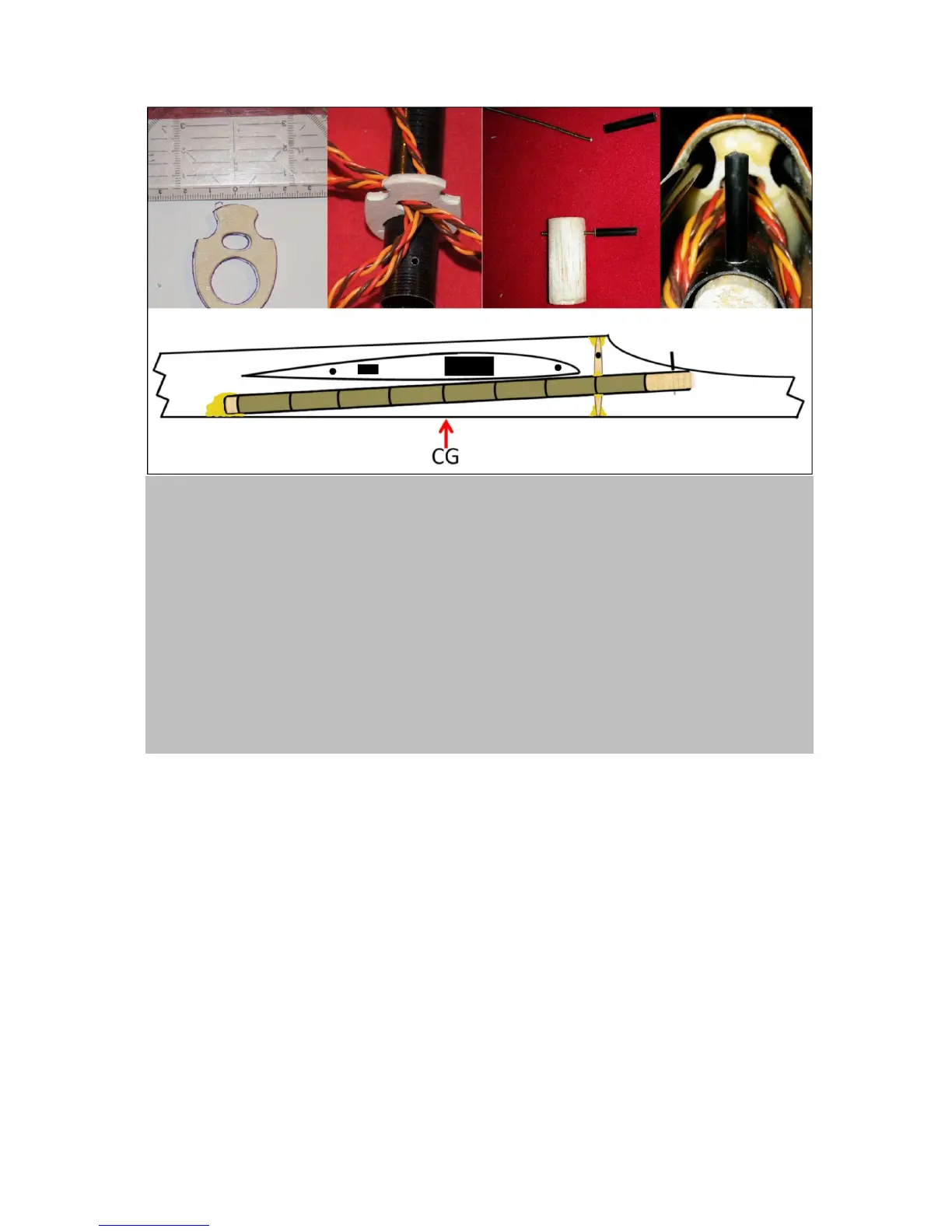
Figure 18. Mount the ballast tube in the CG: The rib needed for ballast tube mount in the fuselage is shown
(upper left). On the second (from left) upper panel you see how the ballast tube and the wing servo cables
fit through the ballast tube rib. To permanently mount the ballast in the fuselage it’s best to first mount the
ballast tube rib using UHU endfest, as described for the servo board in figure 16 (see also lower image here,
for positioning, yellow depicts epoxy resin). Once the epoxy used for the rib has cured you can build in the
ballast tube. The CG must not be further than 115mm behind the wings’ leading edge. Therefore, mount
the ballast tube so that the weights are centered over this CG position (lower grafic). If the CG should be
adjusted further forward later, you can always add a spacer behind the first weight. Now wet about 3cm
3
cotton wool in plenty of the slow curing epoxy and fix it to the rear of the ballast tube using tape. Push the
tube carefully through the rib in the fuselage until it reaches its final position. Gravity will now slowly but
automatically deposit the epoxy from the cotton wool at the rear end of the ballast tube. Of course also
smear epoxy into and around the hole in the rib to permanently connect it to the ballast tube (lower grafic).
Once everything is cured prepare a locking pin for the ballast tube. Use a 16mm balsa wood piece, a piece of
the supplied carbon tube and a threaded rod (see figure 1 g and b). Assembly and installation of locking pin
(see the 2 upper right panels).
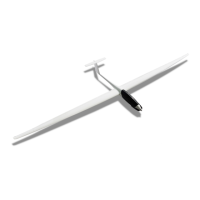
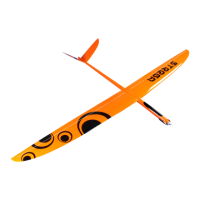
After you have mounted the ballast tube the plane is essentially ready. Now you will need to set it
up properly for the maiden flight. Figure 19, readily assembled Strega awaiting its maiden flight.


 To Next Page