EasyManua.ls Logo

Ryobi AJP-1700V - User Manual

Ryobi AJP-1700V
16 pages
Print Icon
To Next Page IconTo Next Page
Loading...
6987306-00 STD(
ナンア
)
01-16
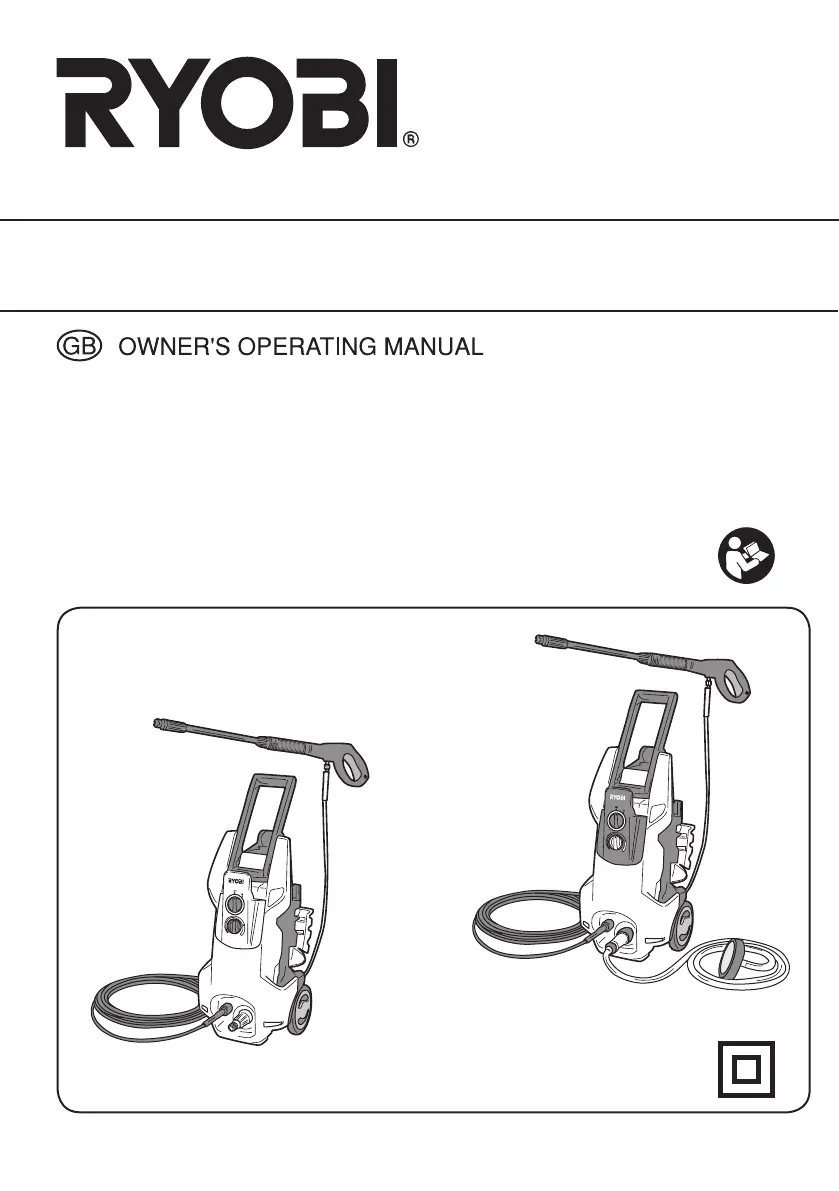
AJP-1700V, AJP-1700VGQ
AJP-1700VGQ
AJP-1700V
AJP-1700VGQ
AJP-1700V

Questions and Answers

  • N
    Nicole NealAug 19, 2025
    Why my Ryobi Pressure Washer machine does not run?
    • G
      Gabriel WatsonAug 20, 2025
      If your Ryobi Pressure Washer isn't starting, there are a few potential causes. The plug might be damaged, so check the plug and fuses. There might be insufficient voltage. In that case, check the plug and fuses. The pump could be locked, requiring you to manually turn over the motor. Alternatively, the thermal relay may have triggered; if so, let the motor cool down.
  • A
    Angela StoneAug 21, 2025
    Why does Ryobi Pressure Washer leak water from the pump head?
    • M
      Michelle Smith MDAug 21, 2025
      If your Ryobi Pressure Washer is leaking water from the pump head, it's likely due to worn seals. Exchange the seal. Also, the O-ring of the seal set might be worn, so exchange the O-ring.
  • F
    Felicia RobertsAug 23, 2025
    What to do if my Ryobi AJP-1700V Pressure Washer has a loss of pressure?
    • M
      Mindy GrantAug 23, 2025
      If you're experiencing a loss of pressure with your Ryobi Pressure Washer, the nozzle may be worn, so change it. Also, the valves might be dirty or clogged, requiring a check, clean, or exchange. Check and/or exchange the valve seals if they are worn, and also check and/or exchange the seals if they are worn. Finally, the filter might be clogged, so check and/or clean it.
  • M
    Michael HuberAug 26, 2025
    Why does Ryobi AJP-1700V motor hum but not start?
    • B
      brenda71Aug 26, 2025
      If your Ryobi Pressure Washer's motor hums but doesn't start when you press the switch, the mains voltage may be lower than specified, so check that the extension cable is sufficient. The pump could be blocked or frozen. The extension cable might also be insufficient (cross section too small, cable too long), so exchange it for one that is sufficient.
  • J
    Joshua MoranAug 27, 2025
    What to do if my Ryobi Pressure Washer has low water pressure?
    • D
      danielle02Aug 27, 2025
      If you're experiencing low water pressure with your Ryobi Pressure Washer, it could be due to several reasons. First, ensure the strainer is completely submerged in water. Second, the strainer and/or water suction filter may be clogged, so clean them, along with the water supply filter, removing any foreign matter. Lastly, make sure the valve dial is completely closed.
  • E
    Elizabeth BlackAug 29, 2025
    What to do if my Ryobi Pressure Washer suddenly stops?
    • E
      Erica GibsonAug 29, 2025
      If your Ryobi Pressure Washer suddenly stops, it could be due to the thermal relay being triggered by overheating. Check the voltage. Also, turn off the switch and allow the motor to cool down for a few minutes.
  • P
    Pedro AtkinsAug 31, 2025
    Why does my Ryobi AJP-1700V Pressure Washer motor continue to run after releasing the spray handle?
    • E
      Emily BushAug 31, 2025
      If the motor in your Ryobi Pressure Washer keeps running after you release the spray handle, it's likely that the valve dial hasn't been completely closed. Turn the valve dial all the way to the closed position.
  • G
    Gwendolyn NixonSep 2, 2025
    Why does my Ryobi AJP-1700V motor suddenly starts up?
    • E
      Erin ZavalaSep 3, 2025
      If your Ryobi Pressure Washer's motor starts up on its own, even when you're not using it, the valve dial may not be completely closed. Try turning the valve dial all the way to the closed position.
  • S
    Sherry ShieldsSep 4, 2025
    Why is my Ryobi AJP-1700V Pressure Washer making excess noise?
    • K
      Kayla ClarkSep 5, 2025
      Excess noise in your Ryobi Pressure Washer can stem from several issues. Air may be getting drawn in, so check the intake lines. The valves might be worn, dirty, or clogged, requiring a check, clean, or exchange. Worn bearings could also be the culprit, so check and/or exchange them. High water temperature (above 40?) can also cause noise, so lower the temperature. Finally, a dirty filter can contribute to the problem, so check and/or exchange it.
  • T
    Taylor ThomasSep 6, 2025
    Why Ryobi Pressure Washer self suction operation fails?
    • S
      sarah10Sep 6, 2025
      If the self-suction operation is failing on your Ryobi Pressure Washer, first ensure the strainer is fully submerged in water. Also, if the self-suction height is over 1 meter (3 feet), reduce it by adding water to the source. Check and clean the strainer, water suction filter, and water supply filter, removing any foreign matter. Make sure the pressure adjustment dial is set to the self-suction position, and the valve dial is open.

Summary

Preparation and Safety

Prior to Operation Checks

Check the machine for defects before use and contact your distributor if any issues are found.

Mains Power Supply Connection

Ensure correct power supply specifications, use certified electricians, and consider GFCI for safety.

General Safety Regulations

Read and follow all safety instructions to prevent accidents and dangerous situations.

Safety Features and Basic Operation

Safety Lock and Motor Protection

Features include a spray handle safety lock and automatic motor overload protection.

Cleaning Agent Usage

Fill the detergent tank with appropriate agent and connect the nozzle to the spray handle.

Operating Instructions Purpose & Application

Machine for private sector cleaning; avoid explosive areas, use cold/lukewarm water.

Assembly - Faucet Connection

Steps for connecting the unit to a water faucet, including tools required.

Detailed Operation and Assembly

Switch, Pressure, and Handle Operation

Instructions for operating the switch, adjusting pressure, and using the spray handle.

Nozzle Lance Functions

Details on variable and turbo nozzle lances for different spray patterns and efficiency.

Detergent Nozzle Attachment

Steps to fill and attach the detergent nozzle container to the spray handle.

Unit Startup Procedure

Steps to start the unit, including priming and safety checks before turning on the main switch.

After Use and Self-Suction Setup

Post-Operation Procedures

Detailed steps for shutting down, draining, and storing the unit safely and effectively.

Self-Suction Kit Attachment

Guide to installing the self-suction kit for AJP-1700VGQ, focusing on filter preparation and connection.

Self-Suction Operation and Maintenance

Suction Height and Setup

Understanding suction height and initial setup steps for self-suction mode.

Self-Suction Operation

Guide to operating the unit using the self-suction method, including troubleshooting steps.

Self-Suction After Use

Procedures for after-use care of the self-suction kit, including cleaning and removal.

General Maintenance and Cleaning

Instructions for maintaining the machine, including nozzle cleaning and storage advice.

Cleaning and Storage Procedures

Filter Cleaning Instructions

Step-by-step guide on cleaning water connectors, strainers, and suction filters.

Machine Vent and Unit Storage

Keep machine vents clean; empty water before storage; consider antifreeze for long periods.

Environmental Protection and Safety

Recycle materials responsibly and follow safety warnings regarding use and bystanders.

Ryobi AJP-1700V Specifications

General IconGeneral
BrandRyobi
ModelAJP-1700V
CategoryPressure Washer
LanguageEnglish

Related product manuals