XXXXX
51 52
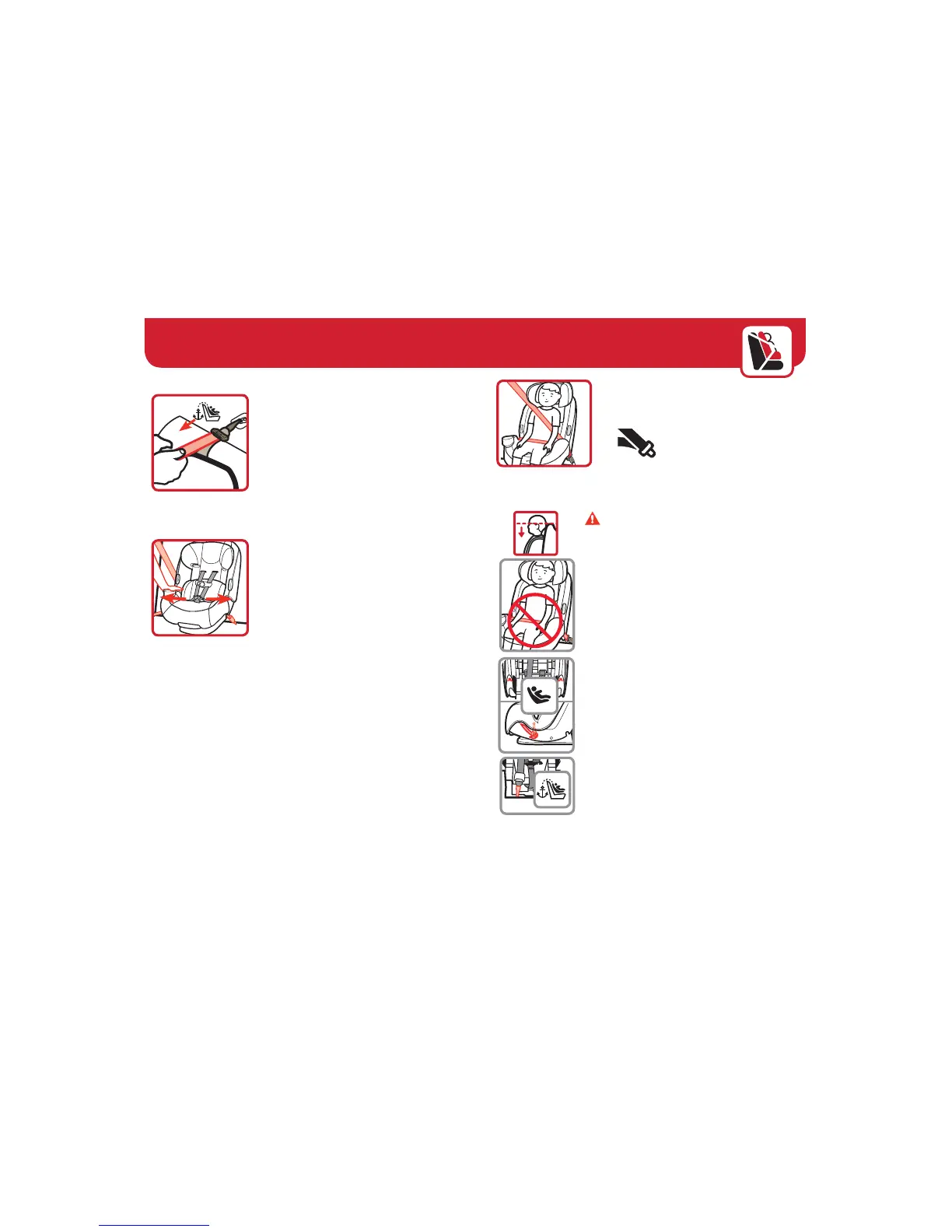
7. Check Belt Tightness
Hold child restraint at the belt path
with your weakest hand.
Push and pull from side to side.
It should not move more than 1 in.
(2.5 cm).
6. Tighten Tether
Push firmly on the back of the seat
and pull the tether strap to remove
all slack and create tension on the
strap.
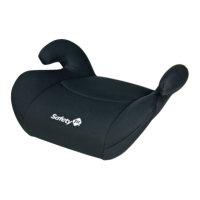
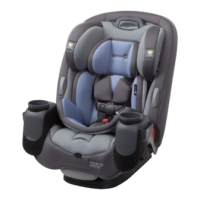
Booster Seat
40-100 lb (18.1-45.4 kg)
43-52 in. (110.1-132.1 cm)
Lap/Shoulder Belt
You MUST store the harness system (see pages 15-17) and
remove accessories (see page 24), except for cup holder to use
as a booster seat.
WARNINGS: Do not use the harness
system when using as a booster seat.
Do not use this booster seat if the tops of
your child’s ears are above the top of the
booster seat’s headrest.
Use only the vehicle’s lap and shoulder
belt system when restraining the child in
this booster seat.
Do not use only the lap belt when using
this seat as a booster seat.
The shoulder belt must always be adjust-
ed snugly across the child’s chest. NEVER
place the shoulder belt under the child’s
arms.
Do not use the LATCH system when using
as a booster seat. Secure lower anchor
belt and tether strap to their storage loca-
tions.
Failure to follow these warnings can result
in serious injury or death.
If it moves more than 1 in. (2.5 cm), you can try:
A. Putting your knee in the seat and pulling the belt tighter.
B. Reinstalling the child restraint.
C. Changing to a different seating location.
D. Switching to the lower anchor belt installation if lower an-
chors are available in your vehicle.
The American Academy of Pediatrics recommends that children re-
main in a fi ve-point harness until they outgrow their forward-facing
harnessed child restraint.
This typically occurs around age 4, but some children outgrow them
sooner and others not until later.
Please talk to your doctor about the best option for your child.




 To Next Page