EasyManua.ls Logo

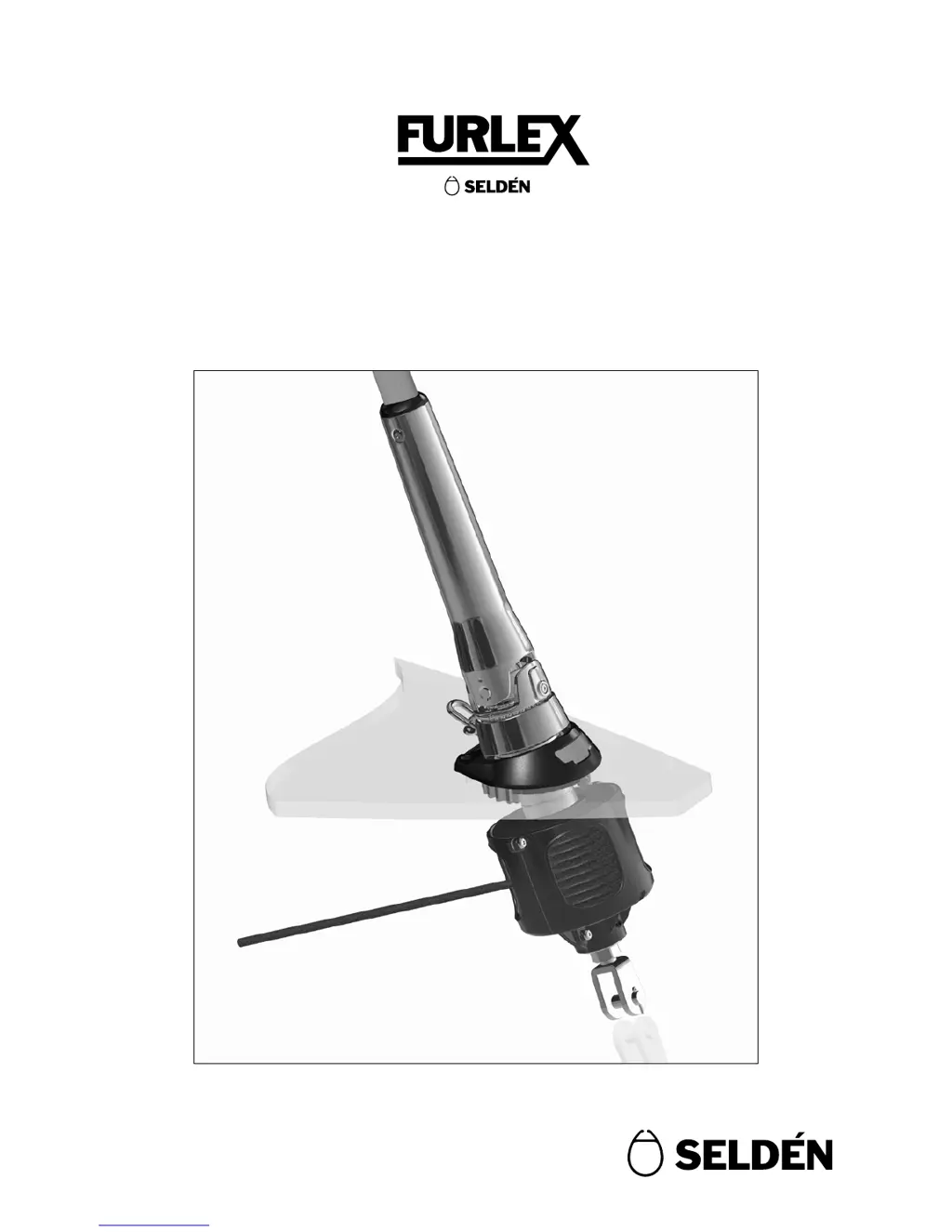
Selden Furlex 304TD - User Manual

Default Icon
44 pages
Print Icon
To Next Page IconTo Next Page
Loading...
1
Manual and Spare parts list
Furlex
204TD & 304TD
597-418-E
2019-03-20
204TD & 304TD

Questions and Answers

  • T
    Tammy DiazAug 22, 2025
    What to do if my Selden Furlex 304TD sail cannot be taken down?
    • I
      Isabella LindseyAug 22, 2025
      If you're having trouble taking your sail down, it could be because the halyard is wrapped around the top of the luff extrusion. Alternatively, the halyard might be wrapping around the luff extrusion as the sail is coming down, or the halyard might simply be stuck. To solve this: * Ease the halyard off and try to reverse the system if the halyard is wrapped around the top of the luff extrusion. * Tension the halyard manually, keeping a slight drag on it while taking the sail down if the halyard wraps around the luff extrusion as the sail is coming down. * Check the halyard routing (sheaves, stoppers, etc.) if the halyard is stuck.
  • J
    jacknunezAug 26, 2025
    Why does my Selden Furlex 304TD Marine Equipment sail unfurl after reefing?
    • K
      kkingAug 26, 2025
      If your sail unfurls after reefing or furling, it's likely because the sail isn't furled tightly enough or the furling line isn't belayed. To fix this, furl the sail with some drag on the line and ensure you belay the furling line.
  • K
    Kevin HenryAug 28, 2025
    Why does my Selden Furlex 304TD Marine Equipment system wobble when furling?
    • D
      David BrooksAug 28, 2025
      If the system wobbles when furling and unfurling, the forestay is likely too loose. To fix this, tension the backstay and/or the cap shrouds, which will tension the forestay.
  • D
    Diane LewisAug 31, 2025
    Why is my Selden Furlex 304TD Marine Equipment sail hard to hoist?
    • H
      Holly GreenAug 31, 2025
      A sail that is hard to hoist may be caused by a luff tape that is too thick, the sail being caught or not sufficiently loose on the foredeck, a fault in the halyard routing, or dirt and salt in the luff groove. Suggested solutions include: * Return the sail to the sailmaker if the luff tape is too thick. * Arrange the sail better on the foredeck if the sail is caught on something or is not sufficiently loose on the foredeck. * Check the sheaves, winch, etc. if there is a fault in halyard routing. * Clean the luff groove if there is dirt and salt in the luff groove.
  • R
    Raymond ColeSep 3, 2025
    Why is the UV protection on the inside of my Selden Marine Equipment furled sail?
    • L
      Lauren ThompsonSep 3, 2025
      If the sail’s UV protection is on the inside of the furled sail, it means the furling line is wound on the drum in the wrong direction. To correct this, remove the sheet from the furled sail and gather the sail around the Furlex system with a rope. Pull on the line until the drum is empty. Wind a couple of turns on the drum by hand in the right direction, then unfurl the sail and furl again, checking the number of turns of furling line on the drum.
  • L
    Lisa RodriguezSep 6, 2025
    Why is my Selden Furlex 304TD sail wrinkled at the tack?
    • G
      gjohnsonSep 6, 2025
      If the sail is wrinkled at the tack, it could be because the tack ring was turned in the wrong direction before tacking the sail, or the sail is old or incorrectly cut. If the tack ring was turned in the wrong direction, unfurl the sail and ease off the halyard. Undo the tack snap shackle, rotate the tack ring ”around the system” and retack the sail. Furl slowly and check that the furling of the tack is retarded by one revolution in relation to the luff extrusion. If the sail is old or incorrectly cut, consult your sailmaker.
  • I
    Ian DavisSep 9, 2025
    Why does the leach flog on my Selden Furlex 304TD sail even when sheeting hard?
    • N
      Nicole KelleySep 9, 2025
      If the leach flogs despite sheeting hard, it could be due to an incorrect sheeting point or an incorrectly tensioned leach line, or the sail is old or incorrectly cut. To fix this, move the sheeting point forward or adjust the leach line. You may need to consult your sailmaker. If the sail is old or incorrectly cut, consult your sailmaker.
  • T
    Timothy ChangSep 12, 2025
    Why does the leach close on my Selden Marine Equipment sail?
    • R
      Ruben WardSep 12, 2025
      If the leach closes (bends inwards), it's likely due to an incorrect sheeting point, or the sail is old or incorrectly cut. To resolve this, move the sheeting point backwards. If the sail is old or incorrectly cut, consult your sailmaker.
  • M
    mendezashleyNov 15, 2025
    Why is my Selden Marine Equipment sail hard to furl?
    • D
      David MurphyNov 15, 2025
      There are several reasons why your sail might be difficult to furl. The jib halyard or another halyard might be wrapped around the luff extrusion. Alternatively, there might not be enough line left on the drum, or the forestay might be too slack. Excessive wind pressure, an untangled sheet, a non-functioning free turn, large turning angles in the furling line, dirt and salt in the bearings, a tangled furling line on the drum, a chafing line guide fitting, an upside-down halyard swivel, or too much strain on the halyard could also be the cause. To resolve this, try the following: * Ease the halyard slightly and try to reverse the system if the jib halyard is wrapped around the luff extrusion. * Unfurl the system and free the halyard if another halyard is wrapped around the luff extrusi...
  • T
    Thomas BurtonNov 18, 2025
    How to fix a Selden Furlex 304TD Marine Equipment sail that won't unfurl completely?
    • S
      Susan DavidsonNov 18, 2025
      If your sail won't unfurl completely, it could be due to several reasons. The jib halyard or another halyard might be wrapped around the luff extrusion. The furling line might not be free to run or has become tangled. The forestay might be too slack, or there could be dirt and salt in the bearings. Finally, there might be too much strain on the halyard. Here are some solutions: * Ease the halyard slightly and try to reverse the system if the jib halyard is wrapped around the luff extrusion. * Furl the system and free the halyard if another halyard is wrapped around the luff extrusion. * Slacken or free the furling line if it's not running freely or is tangled. * Tension the forestay, first by tensioning the backstay adjuster or backstays. If that doesn’t help, decrease the length ...

Summary

Introduction

Key features

Highlights the primary advantages and design innovations of the Furlex TD system.

Safety precautions

Crucial safety guidelines for assembly and operation to ensure user protection.

Assembly preparations

Hull attachment

Instructions for fitting the lower bearing assembly to the boat's hull.

Calculating the length of the forestay wire.

Step-by-step guide for calculating the precise forestay wire length.

Calculating the length of the luff extrusion

Method for determining the correct length of the luff extrusion and distance tube.

Assembly of the Furlex system

Making deck hole and fitting of through-deck fitting

Instructions for cutting the deck hole and installing the through-deck fitting.

Fitting of the lower bearing assembly to the boat.

Connects the lower bearing assembly to the deck fitting, ensuring correct gap.

Assembly

Assembly of the luff section

Detailed instructions for assembling the luff extrusion sections.

Fitting the Sta-lok eye terminal (with or without rigging screw).

Process for correctly fitting a Sta-lok terminal to the wire.

Fitting eye terminal to swaged stud (Stud;Eye)

Steps for attaching an eye terminal to a swaged stud.

Fitting lower eye terminal to rod stay

Method for attaching a lower eye terminal to a rod stay.

Rigging

Fitting the Furlex on a stepped mast

Comprehensive guide for rigging the Furlex system onto a stepped mast.

Stepping the mast with Furlex fitted

Procedures for safely stepping the mast with the Furlex system installed.

Routing the furling line

Optimal routing of the furling line for reduced friction and improved performance.

The sail

Adapting the sail to the Furlex system

Guidance on modifying existing sails for compatibility with the Furlex system.

Adjusting the forestay length

How to adjust the forestay length using the integrated rigging screw.

Hoisting the sail

Detailed instructions for hoisting the sail onto the Furlex system.

Maintenance

Selden Furlex 304TD Specifications

General IconGeneral
BrandSelden
ModelFurlex 304TD
CategoryMarine Equipment
LanguageEnglish

Related product manuals