65
The SGC Building, 13737 S.E. 26th St. Bellevue, Washington 98005 USA
P.O. Box 3526, 98009 Tel: (425) 746-6310 Fax: (425) 746-6384
© 1997 SGC Inc.
The grounds for base station operations generally require the most work, but they are
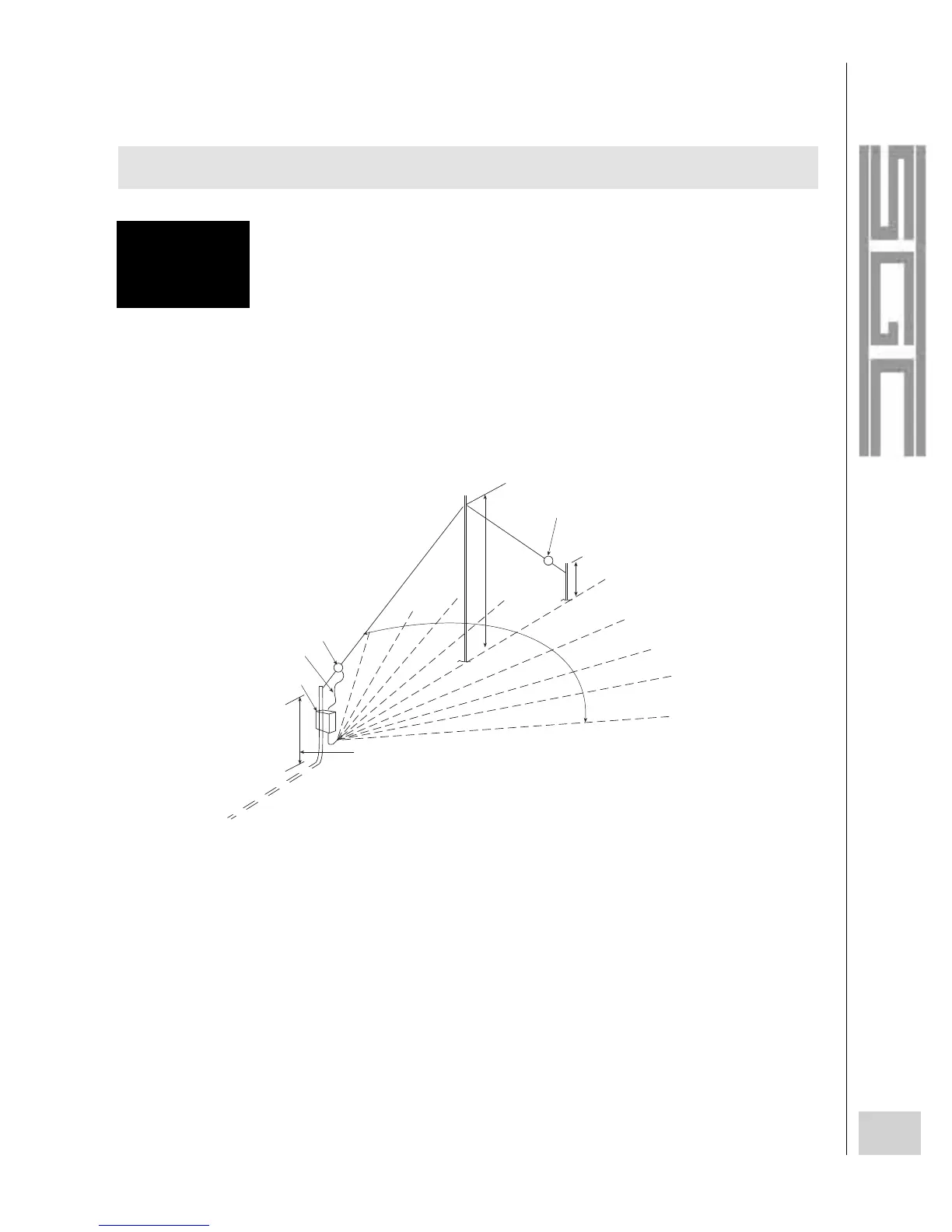
also the most effective. The best ground starts with wire radials longer than the antenna and
at least the same size or larger in diameter than the antenna wire. Make sure that the wires
have both a solid physical and electrical connection. For best results, 12 or more of these
wires should be spaced evenly as they radiate out from the center pipe. As a result of this pattern, the ground wires
are typically called radials. There is no real limit to the number of radials that can be buried; some amateur radio
operators who use the 160-meter band (approximately 1850 kHz, where a quarterwave radial would be 126.5 feet)
literally have several miles of ground wire buried in their yards.
The wires should then be buried several inches in the ground. The depth of the radials makes no difference in
the performance of the ground; the most important thing is that they are making good contact with the ground and
that they are buried deep enough to prevent people from tripping on them (and possibly hurting themselves or
damaging the ground in the process).
To maximize the ground's performance, and especially for ground wave, it is best to have high ground
conductivity. Ground conductivity is simply the measure of how electrically conductive your soil is. Water and
metals are all very conductive and salt improves conductivity. As a result, the best location (as far as a ground is
BASE STATION GROUNDS


 To Next Page